



A lot of businesses ask for a mobile app when the real need is better sales flow, faster customer service, or smoother internal operations. That distinction matters. A mobile app can create real commercial value, but only when it solves a clear business problem better than a website, portal, or existing software stack.
That is why mobile app development for business should never start with features. It should start with objectives. If the goal is to increase repeat orders, reduce service delays, improve field team coordination, or strengthen customer retention, an app may be the right investment. If the goal is simply to “have an app,” the return is usually weak.
For startups, SMEs, and established companies, the strongest app projects are tied to measurable outcomes. The app is not the product in itself. It is a delivery tool for revenue growth, operational control, customer convenience, or brand loyalty.
What mobile app development for business actually solves
Businesses usually benefit from mobile apps in one of three areas: customer experience, internal efficiency, or revenue enablement. In customer-facing scenarios, an app can make it easier for users to browse, book, reorder, track, or communicate. In internal use cases, it can help staff manage approvals, inventory, reporting, attendance, service tickets, or field updates from anywhere. In revenue-focused cases, an app can support subscriptions, loyalty programs, personalized offers, and faster conversion paths.
The reason apps perform well in these scenarios is simple. They live where the user already spends time – on their phone. That creates convenience, and convenience often turns into action.
Still, not every business process belongs in an app. If your audience uses a service once a year, a well-structured website may be enough. If your team only needs desktop-heavy workflows, forcing everything into mobile can reduce efficiency rather than improve it. Good planning comes from understanding behavior, not following trends.
When a mobile app is a smart business move
A mobile app makes the most sense when your business depends on repeated engagement. Retail, F&B, logistics, healthcare, education, membership services, real estate support, and service-based companies often see stronger results because users come back regularly. Frequent interactions justify the cost of design, development, testing, and long-term maintenance.
It also makes sense when your process benefits from mobile-specific functions. Push notifications, location tracking, camera uploads, digital signatures, QR scanning, and offline access can create workflows that a standard website handles less effectively.
There is also a branding factor, but it should be treated carefully. An app can strengthen brand credibility, especially for established businesses that want a more direct relationship with customers. However, branding alone rarely justifies development cost. The stronger case is when brand presence supports a practical business function such as ordering, account management, appointment scheduling, or customer support.
When a website is the better choice
Many companies are surprised by this, but sometimes the best first step is not an app. If your main goal is visibility, lead generation, or search traffic, a website will usually deliver more value earlier. Websites are easier to access, easier to update, and better suited for SEO and campaign landing pages.
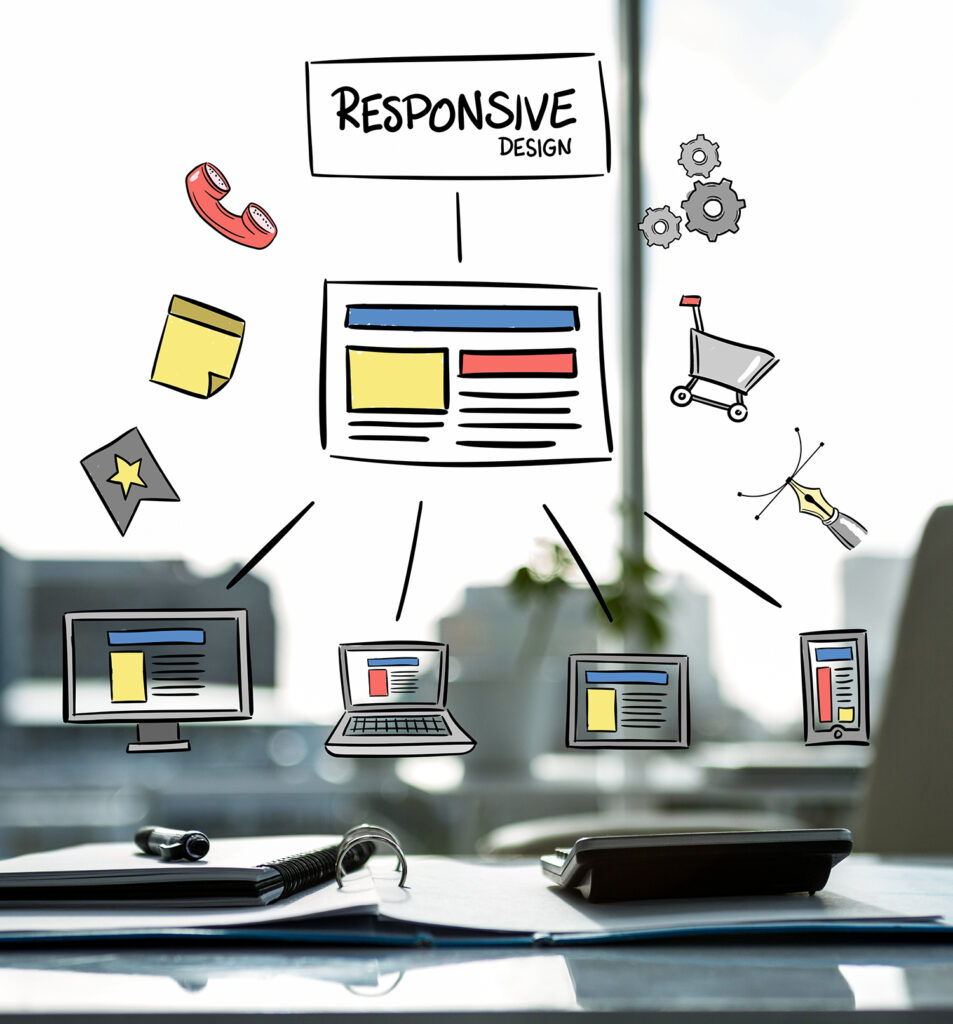
If your process is still changing, building an app too early can be expensive. Business logic, customer behavior, and operational needs often evolve during the first phase of digital growth. In that case, a responsive web platform can validate demand before mobile development begins.
This is one reason business-centric agencies evaluate the wider digital picture first. An app should work as part of a broader system that may include your website, CRM, payment flow, marketing campaigns, hosting environment, and support process.
The real cost of mobile app development for business
The biggest mistake businesses make is underestimating total cost. Development is only one part of the budget. A proper app project also includes discovery, UI/UX design, backend logic, API integration, testing, security planning, app store deployment, and ongoing support.
Then there is maintenance. Operating systems change. Devices vary. Security patches are not optional. New features appear after launch once real usage data comes in. A business app is not a one-time asset that can be ignored after release.
That does not mean apps are too expensive. It means the investment should be treated like a business system, not a marketing extra. If the app saves staff hours, increases order frequency, improves retention, or creates a new digital sales channel, the financial case can be strong. But the return should be estimated before development begins, not guessed after launch.
What businesses should plan before development starts
A successful project usually begins with a short list of business decisions. Who will use the app? What problem are you solving? What action should users take most often? How will the app connect with your existing systems? What internal team will manage content, requests, approvals, or customer communication once the app is live?
This planning stage is where many risks are removed. It prevents overbuilding, avoids conflicting requirements, and keeps the project focused on essential functions first. For most businesses, the best launch is an MVP with clear commercial value, not a feature-heavy version that delays release and increases cost.
It is also important to define success metrics early. That might mean downloads, active users, repeat purchases, reduced service time, higher booking completion, or better field reporting accuracy. If no metric exists, it becomes harder to judge whether the app is helping the business.
Key features that often deliver measurable value
The highest-value features are usually the least flashy. Secure login, simple navigation, fast loading, clear account management, booking or ordering flow, payment support, notifications, and admin visibility often matter more than visual effects.
For internal apps, dashboard access, status updates, approval workflows, file uploads, and integration with business tools can have immediate operational impact. For customer apps, loyalty functions, order history, appointment reminders, personalized offers, and support messaging are often strong drivers of repeat engagement.
The right feature set depends on the business model. A logistics company and a retail brand should not be building the same app structure. Tailored planning matters because the app should reflect your commercial process, not someone else’s template.
Why integration matters more than appearance
A well-designed app matters, but design alone does not create business value. The real performance often comes from integration. If your mobile app cannot connect properly with inventory, CRM, payment gateways, booking systems, email workflows, or reporting tools, your team may end up creating more manual work instead of less.
This is where choosing the right development partner becomes important. Businesses benefit most when the app is treated as part of a connected digital ecosystem rather than a standalone product. That means strategy, design, development, hosting, support, and even digital marketing should align around one commercial objective.
For companies that want a centralized execution partner, working with an agency such as SWOT can reduce coordination gaps across web, app, cloud, and performance marketing functions. That matters when speed, accountability, and long-term support are part of the buying decision.
Choosing the right app development approach
There is no single best approach for every company. Native apps can offer strong performance and deeper access to device functions, but they may involve higher development effort across platforms. Cross-platform development can reduce time and cost, especially when businesses need both Android and iOS coverage quickly. Web apps may suit lightweight use cases where installation is not essential.
The right choice depends on budget, timeline, feature complexity, user expectations, and long-term scale. A customer-facing commerce app with high engagement expectations may justify a more advanced build. An internal workflow app may prioritize speed, control, and practical usability over technical perfection.
Good agencies do not push one method by default. They evaluate what fits the business case.
What business leaders should ask before signing off
Before approving development, decision-makers should be clear on five things: the commercial objective, the required integrations, the realistic budget, the launch scope, and the post-launch support model. If any of these are vague, the project can drift.
It is also worth asking how updates will be handled, who owns the codebase and assets, how security and backups are managed, and what reporting will be available after launch. These questions are not technical formalities. They affect continuity, cost control, and long-term value.
A dependable app partner should be able to answer them in plain business language.
A better way to think about app investment
The most effective mobile app projects are not built to impress. They are built to perform. They help customers act faster, help teams work better, and help businesses create more predictable digital results.
If your company is considering mobile app development for business, the strongest next step is not asking what the app should look like. It is asking what the app should change. That question usually leads to better scope, better budget decisions, and a far better return over time.