
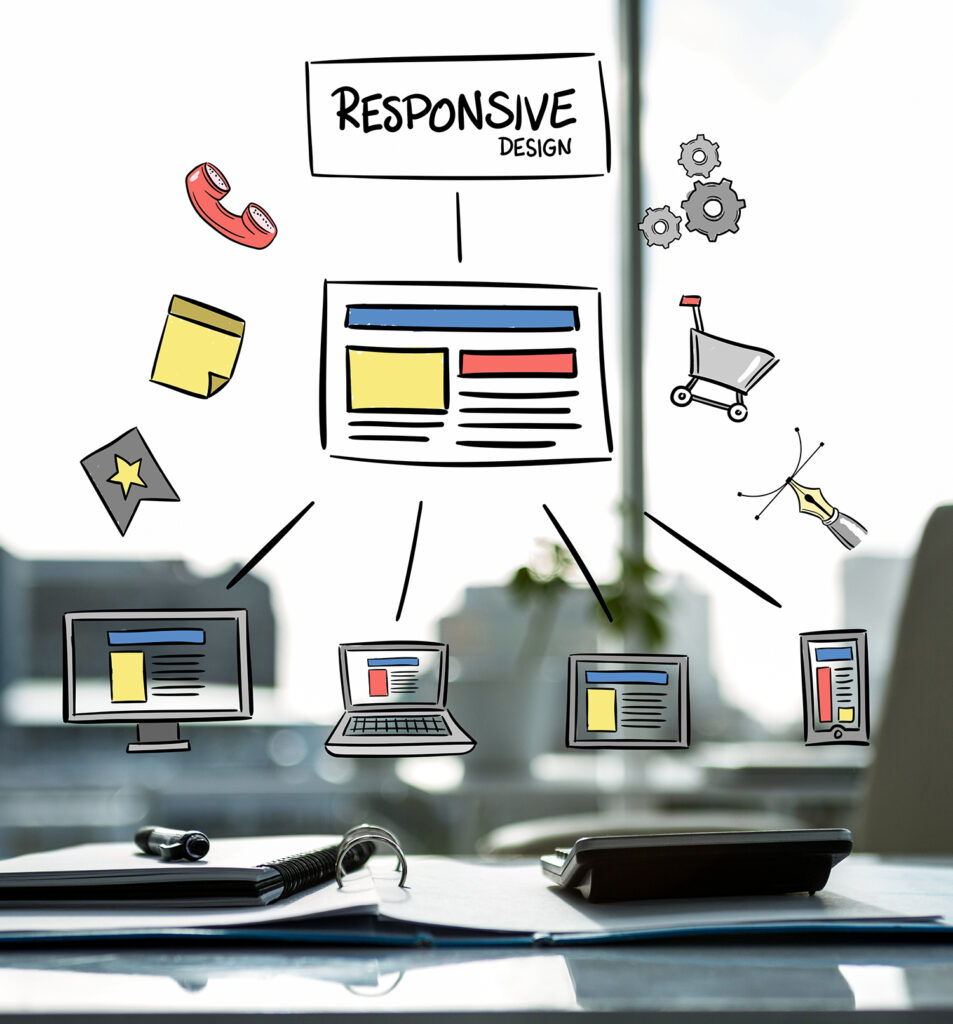


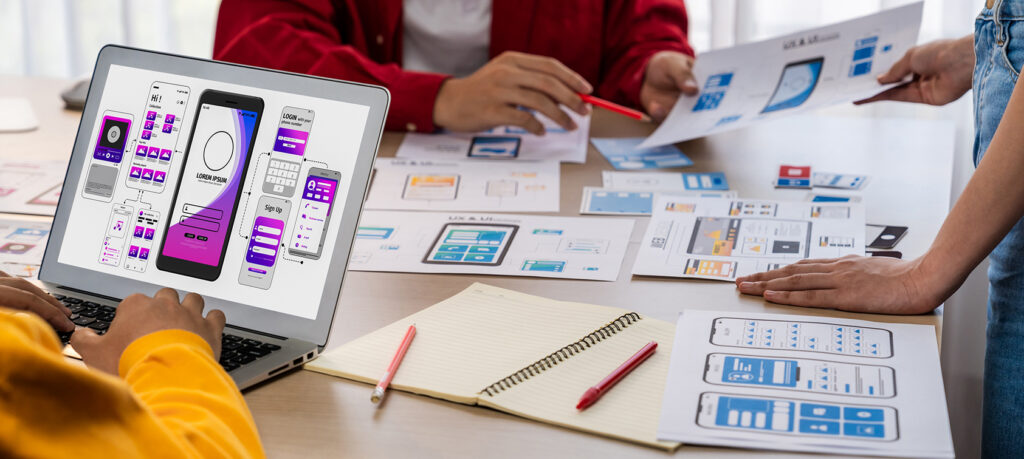
A business website rarely fails because it looks outdated. It fails because it does not support sales, trust, visibility, or day-to-day operations. That is why choosing a website design company Malaysia businesses can rely on is not just a creative decision. It is a commercial decision that affects lead generation, brand credibility, internal efficiency, and long-term digital growth.
For many companies, the real problem starts when the website project is split across too many vendors. One partner handles design, another builds the site, another manages hosting, and someone else is expected to handle SEO after launch. The result is usually delays, blurred accountability, and a website that looks acceptable but underperforms in the areas that matter most.
What a website design company in Malaysia should actually deliver
A serious agency should do more than present mockups and ask which color you prefer. Business websites need structure, messaging, functionality, and technical stability from the start. Good design matters, but design without strategy usually creates a polished brochure site that does not convert.
The right partner should understand what the website needs to achieve. For some companies, that means generating qualified inquiries. For others, it means supporting distributors, selling products online, improving recruitment, or making corporate information easier to access. The website framework should reflect those commercial goals, not just aesthetic preferences.
That is where many businesses see the difference between a freelancer, a design-focused studio, and a full-service agency. A broader team can align branding, UI and UX, development, SEO considerations, content structure, hosting, maintenance, and future marketing activity into one workable plan.
Why businesses outgrow design-only vendors
A design-only engagement can work for a simple campaign microsite or a temporary brand refresh. It becomes less effective when the website is expected to support growth over time.
Once the site goes live, most businesses still need landing pages, content updates, technical fixes, security patches, speed improvements, analytics, ad campaign support, and search visibility work. If those services sit with separate providers, every change becomes a coordination exercise. Costs become harder to predict, and responsibility becomes harder to assign.
A website design company Malaysia firms choose for long-term value should be able to support the full website lifecycle. That includes planning, design, development, launch, infrastructure, and post-launch optimization. It also helps if the same agency can support surrounding digital needs such as branding, copywriting, paid advertising, email campaigns, and business productivity tools.
This is not about buying every service from one provider no matter what. It depends on your internal team, your budget, and how complex your digital stack is. But for startups, SMEs, and many corporate teams, consolidation reduces friction and improves execution.
The commercial standards worth looking for
The strongest agencies are not defined by attractive portfolios alone. They are defined by how well they translate business requirements into a practical digital asset.
A credible partner should ask direct questions about your sales process, customer segments, service priorities, internal approval flow, and post-launch expectations. If an agency jumps straight into homepage visuals without discussing these points, there is a good chance the project is being treated as a layout exercise instead of a business build.
The commercial standards that matter most are usually straightforward. Can they deliver on time? Can they build around your operational needs? Can they advise on SEO structure before development starts? Can they provide stable hosting, maintenance, and technical support after launch? Can they scale the website when your business adds new services, languages, products, or campaigns?
These questions matter because a website is not static. It becomes part of your business infrastructure.
Website design company Malaysia selection criteria for decision-makers
When comparing agencies, business owners and marketing managers should look beyond presentation quality. Capability depth is usually a better indicator of long-term fit.
A dependable agency should be comfortable delivering custom website design, responsive development, content structuring, mobile experience improvements, and conversion-focused page planning. If e-commerce is involved, they should also understand product architecture, payment flow, user trust signals, and ongoing store management requirements.
Support matters just as much as build quality. Websites need maintenance, plugin updates, backups, security monitoring, bug resolution, and occasional enhancement work. Businesses that ignore this often end up paying more later through emergency fixes or downtime.
Infrastructure is another area that gets overlooked early. Domain management, hosting environment, business email, cloud collaboration tools, and access control all affect reliability. If your web partner cannot support these areas, you may still end up managing multiple vendors even after the site is launched.
Why integrated execution usually performs better
When strategy, design, development, hosting, and marketing are handled together, the website tends to perform better because decisions are made with shared context.
For example, an SEO team that is involved early can shape page hierarchy, metadata planning, content direction, and internal linking before development is complete. A paid ads team can advise on landing page structure before campaigns begin. A branding and copywriting team can make sure the site communicates clear value instead of generic claims.
This integrated model is especially useful for companies that do not have large in-house digital teams. It reduces handover gaps and gives management a clearer line of communication. Instead of chasing separate updates from several providers, stakeholders can work through one accountable partner.
That is one reason agencies such as SWOT position themselves as full-service execution partners rather than isolated web vendors. For businesses that want website design, development, marketing support, hosting, and digital operations managed in one place, that model is often more efficient and easier to scale.
The trade-offs businesses should consider
Not every company needs the most advanced build. Some need speed to market. Others need custom workflows, multilingual content, system integrations, or stronger compliance controls. A small service business launching its first website should not be scoped the same way as an established company replacing a large corporate platform.
Budget also changes the recommendation. Template-based builds can be suitable when the goal is to establish a professional presence quickly and keep initial costs lower. Custom design and development make more sense when the website needs to reflect a more differentiated brand, support more complex features, or integrate tightly with business processes.
There is also a difference between short-term affordability and long-term value. A lower initial quote can become expensive if it excludes support, SEO readiness, content guidance, or future flexibility. A higher quote may be justified if it reduces rework, improves conversion performance, and includes dependable maintenance.
This is where decision-makers should ask for clarity, not just pricing. What is included, what is custom, what requires ongoing fees, and who supports the site after launch?
What strong website outcomes look like
A successful website should make your business easier to trust and easier to engage. It should communicate clearly, load reliably, work properly on mobile, and guide visitors toward specific actions. It should also support visibility through search-friendly structure and support internal teams with manageable content workflows.
For service companies, success often shows up as better inquiry quality, stronger sales conversations, and less confusion about what the company offers. For e-commerce brands, it shows up in smoother product discovery, stronger conversion paths, and fewer drop-offs during checkout. For corporate organizations, it may be about credibility, investor confidence, recruitment support, or easier access to company information.
The common factor is alignment. Good websites align business goals, user needs, technical execution, and post-launch support.
Making the right choice for your business
If you are evaluating a website partner, the best starting point is not asking who can design the nicest homepage. It is asking who can build and support a website that contributes to measurable business outcomes.
That means looking for a partner with enough depth to handle design, development, infrastructure, and growth support without losing accountability. It means choosing an agency that can speak in commercial terms, not just creative terms. And it means favoring long-term reliability over short-term convenience.
A website should not become another disconnected vendor project. It should become a dependable business asset that supports visibility, credibility, lead generation, and digital operations with room to grow as your company grows.