
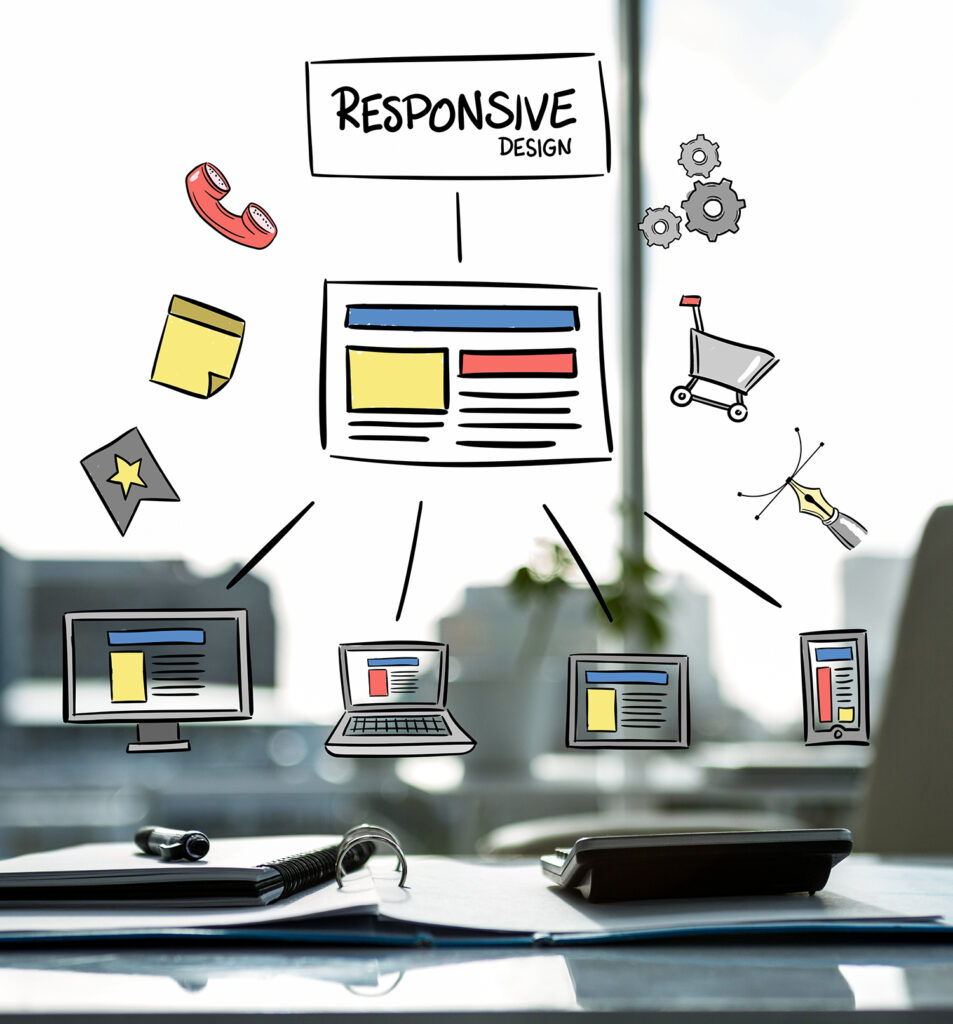



A business rarely loses opportunities because it lacks a website. It loses them because the website is slow, unclear, difficult to manage, or disconnected from sales and marketing. That is why choosing a website service company in Malaysia is not a design decision alone. It is a business decision that affects lead generation, customer trust, internal efficiency, and long-term digital growth.
For many companies, the problem starts when services are split across too many vendors. One provider builds the website, another manages hosting, a freelancer handles SEO, and someone else is asked to update content when issues appear. The result is familiar – delays, finger-pointing, uneven quality, and no single party accountable for outcomes. A stronger model is to work with a partner that can align strategy, development, infrastructure, and support under one service relationship.
What a website service company in Malaysia should actually provide
The phrase sounds broad because it is broad. A serious provider should do more than create pages and publish them online. At minimum, the company should be able to translate business goals into a website structure, user journey, and technical setup that supports real commercial use.
That usually starts with website design and custom web development. A templated site may work for a small launch or basic company profile, but many businesses need more than a standard layout. They may need tailored lead forms, quotation workflows, multilingual content, product catalogs, dealer inquiry systems, member portals, or integrations with third-party tools. If the service company only offers surface-level design, the website may look polished but still fail operationally.
The next layer is user experience. Decision-makers often focus on branding first, but customers judge websites by clarity and ease. Can they find the right service quickly? Can they send an inquiry without friction? Can they trust the company within a few seconds? Good UI and UX work is not cosmetic. It directly affects conversion rates, bounce rates, and the quality of leads.
Then comes the infrastructure side, which is often treated as an afterthought. Domain registration, hosting, business email, security, backup routines, and maintenance matter because they affect uptime, reliability, and internal coordination. If your website is central to sales or customer communication, weak infrastructure becomes a business risk, not just a technical inconvenience.
Why one integrated provider is often the better business choice
There are cases where specialized vendors make sense. A large enterprise with internal digital leadership may prefer separate partners for development, performance marketing, and cloud systems. But for startups, SMEs, and many established businesses, a fragmented setup usually creates more management burden than value.
An integrated website service company in Malaysia can reduce that burden in practical ways. Strategy discussions become faster because the same team understands design, development, hosting, and campaign needs. Project delivery becomes more predictable because technical dependencies are managed in one place. Ongoing improvements are easier because the company maintaining the site also knows how it was built.
This approach also helps when digital priorities change. A business may begin with a corporate website, then add SEO, paid ads, WhatsApp campaigns, e-commerce functionality, or business productivity tools later. If each layer requires a new vendor search, growth slows down. If one provider already supports the broader digital stack, expansion is simpler and more controlled.
That does not mean every all-in-one provider is automatically strong. Breadth only matters when execution quality is consistent. The real question is whether the company can handle multiple services without becoming generic.
How to evaluate a website service company in Malaysia
The first test is commercial understanding. A dependable agency should ask about business goals before discussing layouts. Are you trying to increase leads, support sales teams, improve brand credibility, sell online, or streamline customer communication? Different objectives require different website structures. If the conversation stays limited to colors, pages, and launch dates, the project may be treated too narrowly.
The second test is service depth. Ask whether the provider handles custom development, content structuring, SEO setup, hosting, security, maintenance, analytics, and post-launch support. A company may advertise full service capability but rely heavily on outsourcing. That is not always a problem, but it should be transparent. You want clarity on who is accountable when revisions, bugs, or urgent fixes are needed.
The third test is scalability. A website should not become obsolete the moment your business grows. If you later need landing pages for campaigns, additional language support, e-commerce features, CRM integration, or stronger hosting resources, can the same provider support that next phase? Businesses often save money upfront by choosing a basic package, then spend more later rebuilding on a better foundation.
The fourth test is support discipline. Many agencies are responsive before launch and inconsistent afterward. That gap creates operational frustration fast. Ask what happens after deployment. Is there a maintenance structure? Are content updates handled on request? Who monitors uptime, renewals, backups, and technical issues? Reliable support is one of the clearest differences between a vendor and a long-term digital partner.
Design alone is not enough
A visually attractive site can still underperform if it is not built around business use. This is where decision-makers should be careful. It is easy to approve a homepage mockup and assume the project is on track. But website effectiveness depends on the complete system behind the design.
Content architecture matters because users do not arrive with patience. They want quick proof that your company is credible, capable, and relevant to their needs. That means your services, differentiators, contact pathways, and supporting information must be easy to find. Copywriting matters here as much as design. So do page speed, mobile responsiveness, and technical structure.
Search visibility matters too. A website without SEO consideration may look professional and still attract little qualified traffic. Basic on-page optimization, metadata structure, URL planning, schema where relevant, and crawl-friendly development should not be bolt-on items at the end. They should be considered during the build.
Marketing readiness is another factor that many businesses overlook. If you plan to run Google Ads, Facebook campaigns, email marketing, or retargeting later, the website should be built to support campaign landing pages, tracking, and conversion reporting. It is inefficient to retrofit those foundations after launch.
The value of consolidated digital support
A company website now sits at the center of a wider digital ecosystem. It connects with business email, advertising campaigns, analytics, lead management, content updates, cloud tools, and customer communication channels. That is why many businesses benefit from choosing a provider that can support more than the site itself.
For example, if your agency can also handle hosting, domain management, Microsoft 365 or Google Workspace setup, and ongoing digital marketing, day-to-day operations become easier to coordinate. Your internal team spends less time chasing multiple suppliers and more time focusing on business priorities.
This service model is especially useful for growing businesses that do not want to build a large in-house digital department. They need dependable outsourced execution, but they also need strategic continuity. A partner that understands the website, the brand, the campaigns, and the underlying infrastructure is in a stronger position to deliver consistent results.
That is one reason agencies such as SWOT position themselves beyond web development alone. For businesses that want one accountable provider across website design, custom builds, e-commerce, maintenance, SEO, paid media, branding, hosting, and cloud services, the value is not just convenience. It is clearer ownership and stronger continuity across the full digital operation.
What the right engagement should feel like
The right provider will not oversimplify the project. They will explain what should be customized, what can be standardized, where budget can be used efficiently, and where cutting corners creates future cost. They will also be realistic. Not every business needs a complex custom platform, and not every company should pay for advanced functionality on day one.
A dependable website service company in Malaysia should guide those decisions with commercial logic. If a simple corporate site is enough, they should say so. If your sales model requires integrations, campaign landing pages, or maintenance support from the start, they should say that too. Good advice is rarely the cheapest option or the most expensive one. It is the option that fits the business stage, internal resources, and growth plan.
When evaluating providers, look beyond launch promises. Ask who will still be there six months after go-live, when updates are needed, campaigns begin, traffic grows, and priorities shift. That is when service quality becomes visible.
A strong website should do more than represent your company well. It should support how your business sells, communicates, and grows – and the right partner will build with that responsibility in mind.