


A business website that looked modern two years ago can already feel dated if it is slow, crowded, or difficult to use on mobile. That is why web design trends 2026 matter less as visual fashion and more as commercial signals. The right design choices influence trust, lead quality, conversion rates, and how efficiently your digital presence supports sales and marketing.
For business owners, marketing teams, and corporate decision-makers, the real question is not which trend looks impressive. It is which changes are worth investing in because they improve performance. In 2026, the strongest web design direction is clear: cleaner experiences, faster interactions, stronger brand credibility, and smarter use of personalization and automation.
Why web design trends 2026 matter for business results
Web design now sits much closer to revenue than many companies assume. A site is no longer just a corporate brochure. It often functions as the first sales touchpoint, a lead qualification tool, a support channel, and a brand trust test all at once.
When prospects land on your website, they immediately assess whether your company looks established, responsive, and credible. If pages load slowly, navigation feels confusing, or content appears generic, that hesitation can reduce inquiries before your team even has a chance to engage. On the other hand, a well-structured website can shorten decision cycles and make your marketing spend work harder.
That is the commercial lens worth applying to every design trend. Not every trend deserves implementation. Some are useful for specific sectors, while others create visual noise without improving outcomes.
1. Performance-first design is replacing decoration-first design
One of the most important web design trends 2026 businesses should recognize is the move away from websites overloaded with animation, heavy video, and unnecessary interface effects. Fast websites are no longer a technical nice-to-have. They are part of the design brief.
This shift changes how pages are planned. Designers and developers are prioritizing lighter frameworks, better image handling, cleaner layouts, and content structures that load quickly across desktop and mobile. A polished experience still matters, but visual ambition must support speed rather than compromise it.
There is a clear trade-off here. Rich motion and immersive media can help premium brands tell a stronger story. But if those elements slow the site or distract from a call to action, they become expensive decoration. The better approach is selective use of impact – not overload.
2. AI-assisted personalization is becoming more visible
In 2026, more business websites will tailor content based on user behavior, location, industry interest, and funnel stage. This does not always mean dramatic one-to-one personalization. In many cases, it means showing smarter content blocks, more relevant calls to action, or inquiry paths based on likely customer intent.
For example, a corporate visitor might see different homepage emphasis than a startup founder. An e-commerce customer may be guided toward product recommendations, while a B2B buyer is directed toward consultation forms, case studies, or service pages.
Used correctly, this improves conversion by reducing friction. Used poorly, it can feel intrusive or confusing. Business websites should be careful not to overcomplicate the user journey in pursuit of personalization. Clarity still wins.
3. Trust-centered design is getting more deliberate
Trust has always mattered, but 2026 websites are making it more intentional. Businesses are using stronger credibility signals throughout the site instead of hiding them on one isolated page. This includes clearer service positioning, more visible testimonials, certifications, client references, support information, and transparent business details.
Design plays a central role here. Professional typography, consistent spacing, polished UI patterns, and clean visual hierarchy all shape whether a company feels dependable. The goal is not to look flashy. The goal is to look established, competent, and easy to work with.
This matters especially for service businesses, B2B companies, and brands with higher-value transactions. Buyers are assessing risk. Your design should reduce that risk before a salesperson joins the conversation.
4. Mobile UX is shifting from responsive to mobile-priority
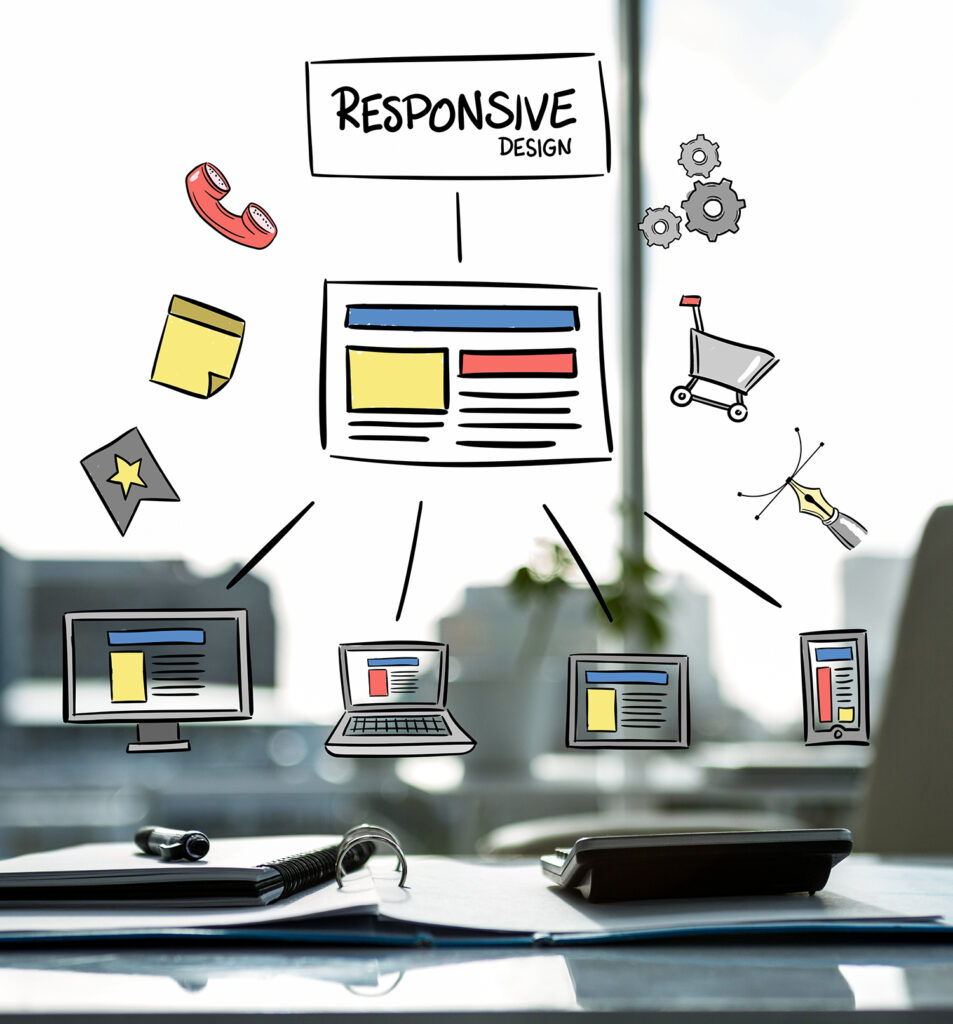
Responsive design is standard. Mobile-priority design is the next level. That means websites are being planned around mobile decision-making behavior from the start, not simply adjusted to fit a smaller screen afterward.
In practical terms, this leads to tighter layouts, shorter key messages, thumb-friendly navigation, sticky contact options, faster form completion, and clearer action paths. It also means rethinking what content deserves prominence on mobile. Not every desktop element should survive the transition.
For some businesses, mobile-first execution has a direct impact on lead generation. If a prospect cannot quickly understand your offer, verify your credibility, and contact you from their phone, your website is underperforming regardless of how good it looks on a large monitor.
5. Minimalist interfaces are becoming more strategic
Minimalism in 2026 is less about visual emptiness and more about decision support. Better websites are removing unnecessary sections, weak copy, and repetitive messaging so users can move through the site with less hesitation.
This trend is especially relevant for companies that have allowed their websites to grow without structure. Over time, many sites accumulate extra banners, too many menu items, vague headings, and bloated page templates. The result is not more information. It is more friction.
A strategic minimalist approach improves focus. It highlights what the business actually offers, who it serves, and what action users should take next. The challenge is balance. If a business removes too much detail, it can weaken SEO and reduce buyer confidence. The best execution simplifies navigation while keeping substance where it matters.
6. Strong typography is doing more of the branding work
As layouts become cleaner, typography is carrying more responsibility. Businesses are using bolder type systems, more intentional hierarchy, and clearer spacing to create brand distinction without relying on cluttered graphics.
This is particularly useful for companies that want to appear modern and credible without frequent redesign cycles. A strong typographic system helps the site feel premium, organized, and easier to scan. It also improves accessibility and content comprehension.
The caution here is readability. Oversized fonts, overly condensed typefaces, or highly stylized headings can create a branding statement at the expense of usability. Business websites should treat typography as both a design and communication tool.
7. Interactive elements are becoming more purposeful
Micro-interactions, hover states, guided transitions, and interactive content blocks continue to gain ground, but the best use cases are practical. These elements should confirm actions, improve navigation, or make complex information easier to absorb.
For example, subtle motion can help users understand which button is active, reveal product details, or make pricing comparisons easier to follow. That is very different from adding movement for its own sake.
This is where trend adoption often goes wrong. Companies see polished interactions on creative portfolio sites and try to replicate them in a business environment where users simply want fast answers. Purposeful interaction supports usability. Decorative interaction delays it.
8. Conversion-focused content design is becoming standard
In 2026, design and copy are working more closely together. High-performing websites are being structured around user intent, not just page appearance. That means headlines are sharper, service pages are more focused, and call-to-action placement is planned around actual decision points.
This is one of the most commercially valuable shifts because it connects design directly to outcomes. Better page flow can improve inquiry rates without increasing traffic. Clearer messaging can make paid campaigns more effective. Smarter page structure can also help SEO by aligning content with search intent.
For businesses managing multiple vendors, this is often where gaps appear. A designer may create the interface, a developer builds it, and a marketer handles campaigns later. The result is disconnected execution. A stronger website usually comes from integrated planning across design, development, and marketing.
9. Accessibility and compliance are moving closer to the core
Accessibility is no longer a side consideration for large organizations alone. More businesses are recognizing that accessible design improves usability for everyone while reducing avoidable barriers for users with different needs.
In practice, this includes color contrast, keyboard-friendly navigation, readable text sizing, meaningful structure, and clearer labeling for forms and buttons. Many of these improvements also benefit mobile users and older audiences, which makes them commercially sensible beyond compliance concerns.
This trend may not sound visually exciting, but it often creates a better overall experience. It is also a sign of operational maturity. Businesses that take accessibility seriously tend to build more reliable digital systems overall.
What businesses should do next
The right response to web design trends is not a full redesign every year. It is a structured review of what your current website is doing well, where it is creating friction, and which upgrades will generate measurable return.
For some companies, the highest-impact move is improving speed and mobile usability. For others, it is revising service page structure, strengthening trust signals, or aligning design more closely with lead generation goals. The answer depends on your audience, traffic sources, buying cycle, and internal sales process.
A reliable digital partner should help you separate meaningful improvements from trend-chasing. At SWOT, that means approaching websites as business assets – planned around performance, credibility, and long-term support rather than one-off visuals.
The most effective website in 2026 will not be the one following every trend. It will be the one that makes your business easier to trust, easier to understand, and easier to choose.