
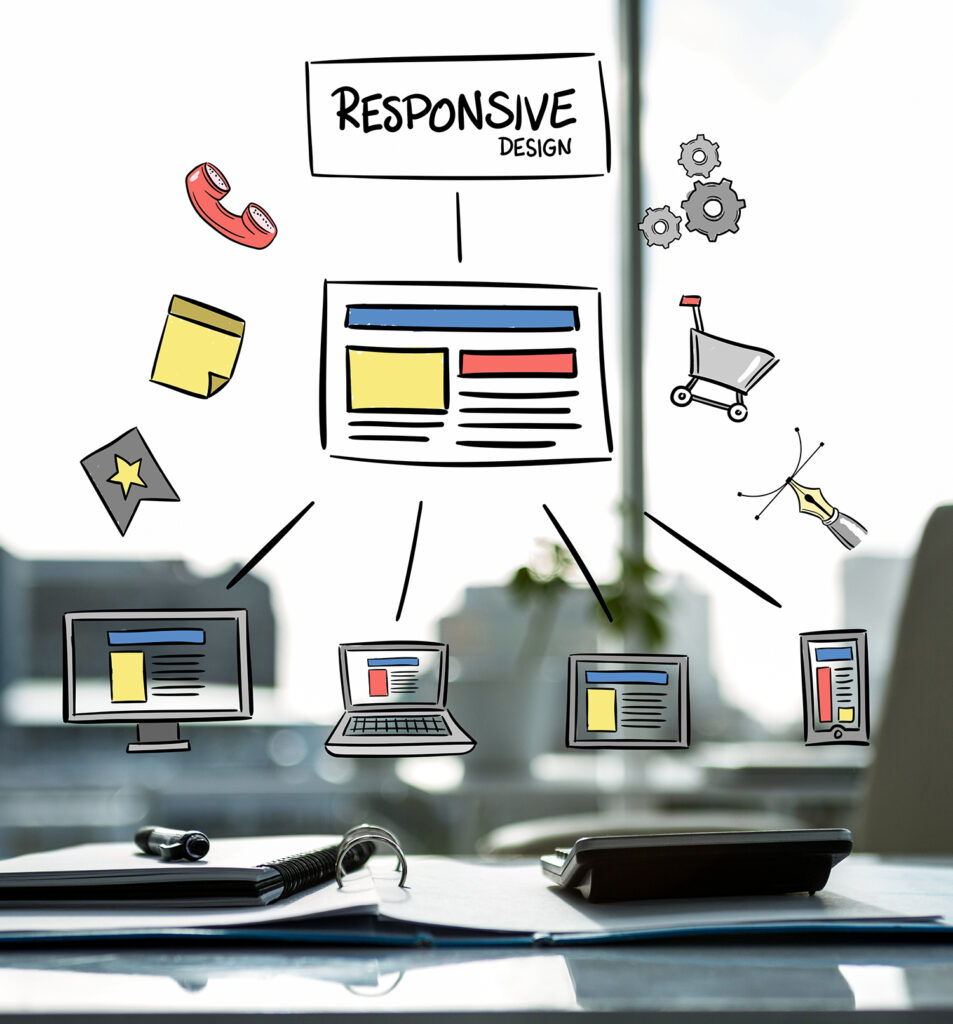



A business website is rarely just a website anymore. It is your sales platform, brand touchpoint, lead generation channel, customer service layer, and often the first proof that your company is credible. That is why choosing a web company Malaysia businesses can rely on is not a small procurement task. It is a commercial decision that affects visibility, conversion, operations, and long-term growth.
For many companies, the real cost is not hiring the wrong vendor at the start. It is fixing poor planning later – slow websites, unclear user journeys, weak SEO foundations, disconnected marketing tools, and no reliable support after launch. A website that looks acceptable but performs poorly can quietly drain opportunities for months.
What a web company in Malaysia should actually deliver
A capable web partner should do more than produce design mockups and push a site live. Business websites need structure, speed, security, mobile responsiveness, and a clear purpose. That purpose may be lead generation, online sales, recruitment, investor communication, customer onboarding, or all of the above.
The strongest agencies work backward from business goals. If your company needs more qualified inquiries, the website should be planned around conversion paths, landing page logic, call-to-action placement, analytics, and follow-up tools. If your priority is e-commerce, then product structure, checkout flow, payment integration, and post-purchase communication matter just as much as appearance.
This is where many buying decisions go wrong. Businesses compare providers mainly on visual style or quoted price, when the bigger difference is often in planning discipline and execution reliability. A lower-cost website can become expensive if it needs redevelopment, technical repair, or constant patchwork within a year.
How to evaluate a web company Malaysia businesses can trust
The first question is not whether the agency can build websites. Most can. The better question is whether they can align digital work with commercial outcomes.
Start by looking at scope. Some providers only handle design. Others only code. Some rely heavily on third-party freelancers, which can create communication gaps and delivery delays. If your website also needs copywriting, branding support, SEO setup, hosting, maintenance, or campaign integration, working with a fragmented vendor mix can slow decisions and increase risk.
A more dependable setup is an agency that can manage strategy, UI/UX, development, infrastructure, and ongoing optimization in one coordinated process. That does not mean every business needs an all-in-one provider, but for many SMEs and growing companies, consolidation improves accountability. There is less finger-pointing and faster issue resolution because one partner owns more of the outcome.
You should also assess how the agency handles discovery. If the conversation starts and ends with pages, colors, and references, that is a warning sign. A serious web partner will ask about your business model, target audience, sales cycle, internal workflows, and growth priorities. Those questions are not just consultative polish. They shape the site architecture and technical decisions from the beginning.
Price matters, but value matters more
Every business has a budget. That is normal. But price should be read in context.
A lower quote may exclude content planning, SEO setup, mobile testing, security hardening, analytics integration, training, support, or future scalability. On paper, the project looks affordable. In practice, you may still need to hire other specialists to complete the work properly.
A higher quote is not automatically better either. Some agencies charge premium fees for polished presentations without offering deeper execution value. What matters is whether the proposal clearly connects deliverables to business needs.
For example, a startup may need a lean website with strong messaging, fast launch timing, and room to scale later. A larger company may need custom workflows, multiple stakeholder approvals, integrations with CRM or marketing tools, and stronger governance around hosting and maintenance. The right solution depends on business stage, internal resources, and commercial priorities.
The advantage of working with one integrated digital partner
There is a practical reason many companies prefer a single provider for web development, marketing, hosting, and support. Digital performance is interconnected.
Your website affects SEO. Your hosting affects speed and uptime. Your forms affect lead capture. Your copy affects conversion. Your ad campaigns depend on landing page quality. Your email and messaging systems affect follow-up. When these parts are handled by separate vendors with different priorities, the business often ends up managing the gaps.
An integrated partner can reduce those gaps. Website decisions can be made with campaign performance, brand consistency, technical stability, and future maintenance in mind. This is especially useful for businesses that want operational simplicity and clearer accountability.
That is one reason agencies such as SWOT position themselves beyond development alone. For decision-makers, the benefit is not just convenience. It is the ability to centralize design, development, hosting, cloud tools, digital marketing, and support under one commercially accountable relationship.
What business buyers should ask before signing
A proposal may look complete, but several details usually determine whether a project runs smoothly.
Ask who will manage the project day to day and how communication will work. Delays often come from unclear ownership, not technical complexity. Ask what is custom-built versus template-based. Templates are not always a problem, especially for speed and budget control, but you should know what you are paying for and where limitations may appear later.
Ask how the agency approaches SEO fundamentals during development. Even if you are not running a full SEO campaign immediately, the site should still be built with crawlability, metadata structure, mobile usability, and performance in mind. Retrofitting these basics later is avoidable cost.
You should also ask about maintenance after launch. Websites require updates, backups, monitoring, security patching, and technical support. Without a post-launch plan, businesses often discover too late that the original provider was focused only on delivery, not long-term reliability.
Signs of a strong web company in Malaysia
A strong provider is usually clear, structured, and commercially aware. They can explain how the project will move from planning to design, development, testing, launch, and support without hiding behind technical jargon.
They should be able to show evidence of range as well. Not every business needs a complex custom build, but it helps when the agency has experience across corporate websites, lead generation sites, e-commerce, landing pages, and business system integrations. Breadth often signals that they can recommend the right level of solution rather than pushing every client into the same model.
Reliability also matters more than many buyers expect. A beautiful concept means little if deadlines slip repeatedly or post-launch issues remain unresolved. For business stakeholders, responsiveness and follow-through are part of the product.
When a smaller project is the smarter move
Not every business needs a large-scale web build. Sometimes the better decision is to launch a focused website quickly, validate messaging, measure user behavior, and improve over time.
This is especially true for startups, campaign-specific microsites, or companies entering a new market. A well-scoped first phase can preserve budget while still delivering a professional digital presence. The key is making sure the foundation is solid enough to support future expansion.
The opposite is also true. If your business depends heavily on digital leads, online transactions, or internal workflow integration, underinvesting at the start can create limitations that are harder and more expensive to fix later. The right scope depends on risk, revenue impact, and growth plans.
Choosing for the next two years, not just the next two months
A website project often gets evaluated as a short-term deliverable. That is understandable. Deadlines, campaigns, and budget cycles create pressure to launch. But the more useful mindset is to choose a web company based on where your business is heading.
Will you need landing pages for paid campaigns? Do you expect more content marketing? Will you add e-commerce, multilingual support, customer portals, or marketing automation? Will different departments need ongoing updates and support? These are not future luxuries. They affect the platform, content structure, and development choices you make now.
The best web company Malaysia businesses can work with is not simply the one offering the cheapest package or the flashiest mockup. It is the partner that understands your business model, recommends an appropriate scope, executes reliably, and remains capable after launch.
A good website should not leave you with more vendors to coordinate, more fixes to fund, or more uncertainty to manage. It should give your business a stronger digital position and a partner that can keep that momentum moving forward.