



Hiring a wordpress developer in malaysia is rarely just about getting a website live. For most businesses, the real question is whether the site will support sales, strengthen credibility, integrate with daily operations, and remain reliable after launch. That distinction matters because many websites look acceptable on day one but fail where businesses actually feel the impact – slow performance, weak lead flow, poor mobile usability, and no dependable support when changes are needed.
For startups, SMEs, and established companies, WordPress remains a practical platform because it is flexible, cost-efficient, and scalable when built properly. But the words "when built properly" carry the real weight. The value of a developer is not in installing a theme. It is in translating commercial goals into a website that performs as a business asset.
Why businesses still choose a WordPress developer in Malaysia
WordPress continues to be a strong choice for companies that need speed to market without sacrificing flexibility. A capable wordpress developer in malaysia can build anything from a corporate website and landing page system to a product catalog, booking flow, blog-driven SEO structure, or full e-commerce environment.
The platform works well because it supports content management without forcing a business to rebuild everything for every update. Marketing teams can publish content faster. Internal teams can update service pages, case studies, promotions, and announcements without depending on developers for every small edit. That creates operational efficiency, which is often overlooked during the buying stage.
There is also a commercial reason local businesses prefer working with a Malaysia-based partner. Communication is easier, timelines are more realistic, and the developer usually understands local market expectations around language use, payment flows, customer behavior, and business presentation. That local context can make a visible difference in how a website is structured and how effectively it converts.
What a good WordPress developer actually delivers
A business-grade WordPress project should start with objectives, not visuals alone. Design matters, but design without strategy often results in a polished site that does not generate inquiries or support the sales process. A dependable developer begins by understanding what the business needs the website to do.
That may include lead generation, online sales, branch visibility, corporate positioning, recruitment, campaign support, or customer self-service. Each objective affects site architecture, page flow, call-to-action placement, content priorities, and technical setup.
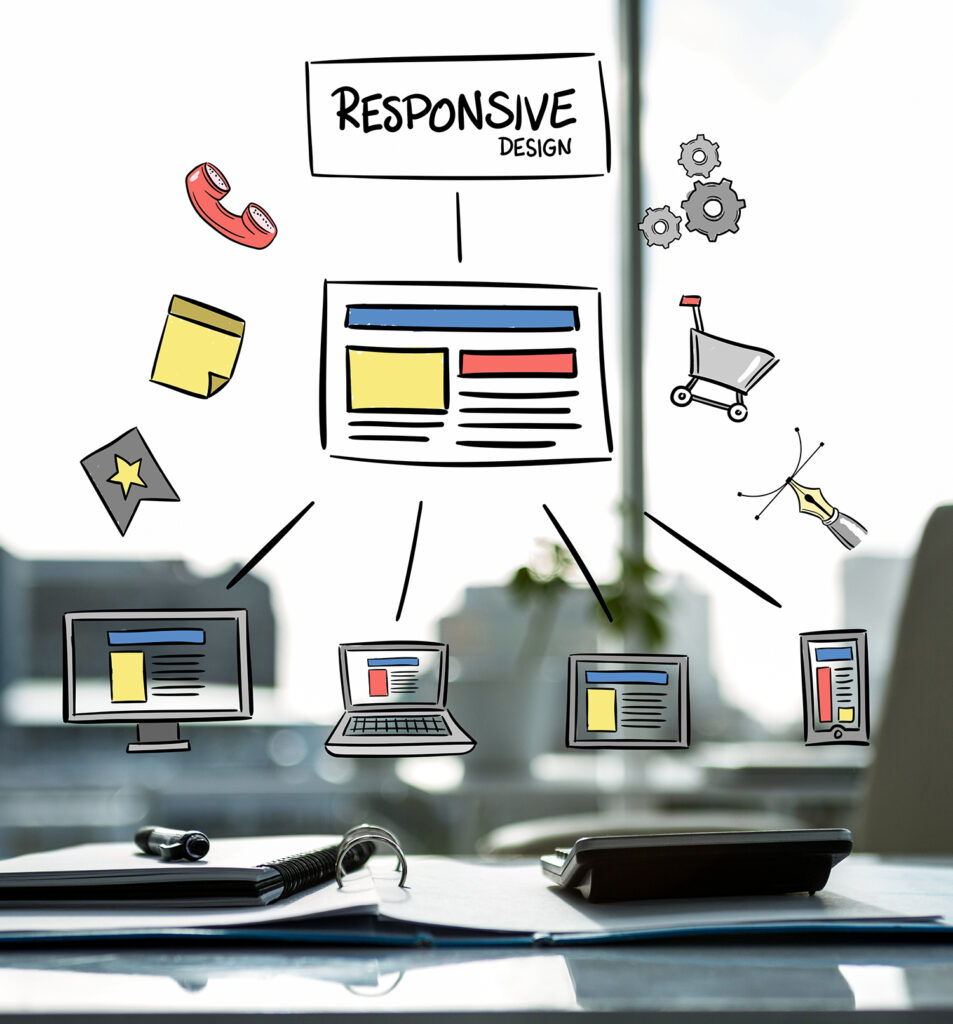
A strong delivery typically includes custom design alignment, mobile responsiveness, page speed optimization, technical SEO readiness, security setup, user-friendly content management, and integration with tools the business already uses. In many cases, businesses also need contact forms connected to internal workflows, WhatsApp inquiry paths, analytics tracking, payment gateways, or CRM integration.
This is where the difference between a freelancer who builds pages and a service-led digital partner becomes clear. The website is only one layer. The broader requirement is execution that supports visibility, conversion, operations, and maintenance over time.
How to evaluate a wordpress developer in malaysia
The most common mistake is comparing providers based on price before comparing scope. One quote may cover template setup and basic edits. Another may include UX planning, custom development, performance tuning, testing, SEO structure, training, hosting coordination, and ongoing support. On paper, both may be described as WordPress development, but they are not the same purchase.
A better evaluation starts with asking how the developer approaches business requirements. Do they ask about your sales process? Do they understand your audience segments? Do they discuss speed, security, scalability, and post-launch support? If the conversation stays limited to colors, page count, and plugin installation, the project may be too shallow for long-term value.
Reviewing past work helps, but only to a point. A portfolio should show range and consistency, yet what matters more is whether the provider can explain why a certain structure was chosen and what business outcome it was meant to support. Good developers are not just production resources. They are problem solvers.
It is also worth checking how support is handled after launch. Businesses often need content updates, feature enhancements, plugin monitoring, backups, security patching, and troubleshooting. If support is vague or reactive, the website can quickly become a neglected system. A serious provider treats maintenance as part of performance, not an afterthought.
Cost depends on scope, not just development hours
Business owners often ask what WordPress development costs in Malaysia, and the honest answer is that it depends on the level of business requirement. A simple informational website is very different from a custom lead-generation site with service funnels, multilingual content, integrations, and SEO planning.
Lower-cost projects usually rely heavily on prebuilt themes and minimal customization. That can be suitable for very early-stage businesses with limited needs, especially when speed and budget are the main priorities. The trade-off is that performance, flexibility, and brand distinction may be limited.
Higher-value projects typically include tailored design, custom functionality, stronger technical foundations, and better planning around future growth. These projects cost more upfront, but they often reduce expensive rework later. For a business that depends on its website for inquiries, sales, or reputation, that investment is easier to justify.
The right question is not "What is the cheapest option?" It is "What level of website will support our next stage of growth without creating avoidable constraints?"
Common business scenarios where WordPress makes sense
WordPress is especially effective when a company needs control and flexibility without committing to a fully custom platform from the start. This is common for professional services firms, manufacturers, education providers, healthcare businesses, B2B suppliers, property-related businesses, and retail brands expanding into online sales.
It also works well for companies that expect regular content updates as part of SEO or campaign activity. If your marketing team needs landing pages, articles, campaign microsites, or downloadable resources, WordPress can support that efficiently when the structure is built correctly.
That said, it is not automatically the right fit for every case. If a business needs a highly specialized web application with unusual workflows, deep enterprise integrations, or product logic beyond standard website behavior, a custom framework may be more appropriate. A reliable partner should say that clearly instead of forcing WordPress into a role it should not play.
Why integration matters more than most businesses expect
A website does not operate in isolation. It connects to hosting, domains, email infrastructure, analytics, ad campaigns, search visibility, content production, and internal follow-up processes. When different vendors manage each piece independently, delays and accountability gaps are common.
This is why many businesses prefer a single execution partner that can handle strategy, design, development, hosting, marketing support, and maintenance together. It simplifies coordination and improves consistency across the customer journey. If a campaign underperforms, the agency can review landing page structure, page speed, ad alignment, and conversion flow in one place rather than passing responsibility across multiple suppliers.
For companies looking for that model, SWOT supports businesses with WordPress development as part of a broader digital delivery structure that includes design, hosting, maintenance, SEO, digital marketing, and business productivity services through https://swot.com.my/.
Signs you have found the right partner
The right developer does not rush to promise everything in the first conversation. They ask practical questions, identify trade-offs, define scope clearly, and align recommendations with commercial goals. They can explain why one approach is faster, why another is more scalable, and where extra investment is or is not justified.
They also think beyond launch. A business website should be measured by uptime, usability, lead quality, search readiness, update efficiency, and long-term maintainability. If those topics are part of the discussion early, that is usually a good sign.
Professionalism matters too. Clear proposals, realistic timelines, structured communication, and dependable post-launch support are not minor details. They are part of the product. Businesses do not just buy development hours. They buy execution reliability.
A website can either become another unfinished digital task or a dependable commercial asset. The difference usually comes down to choosing a partner that understands the business behind the build, not just the software behind the pages.