
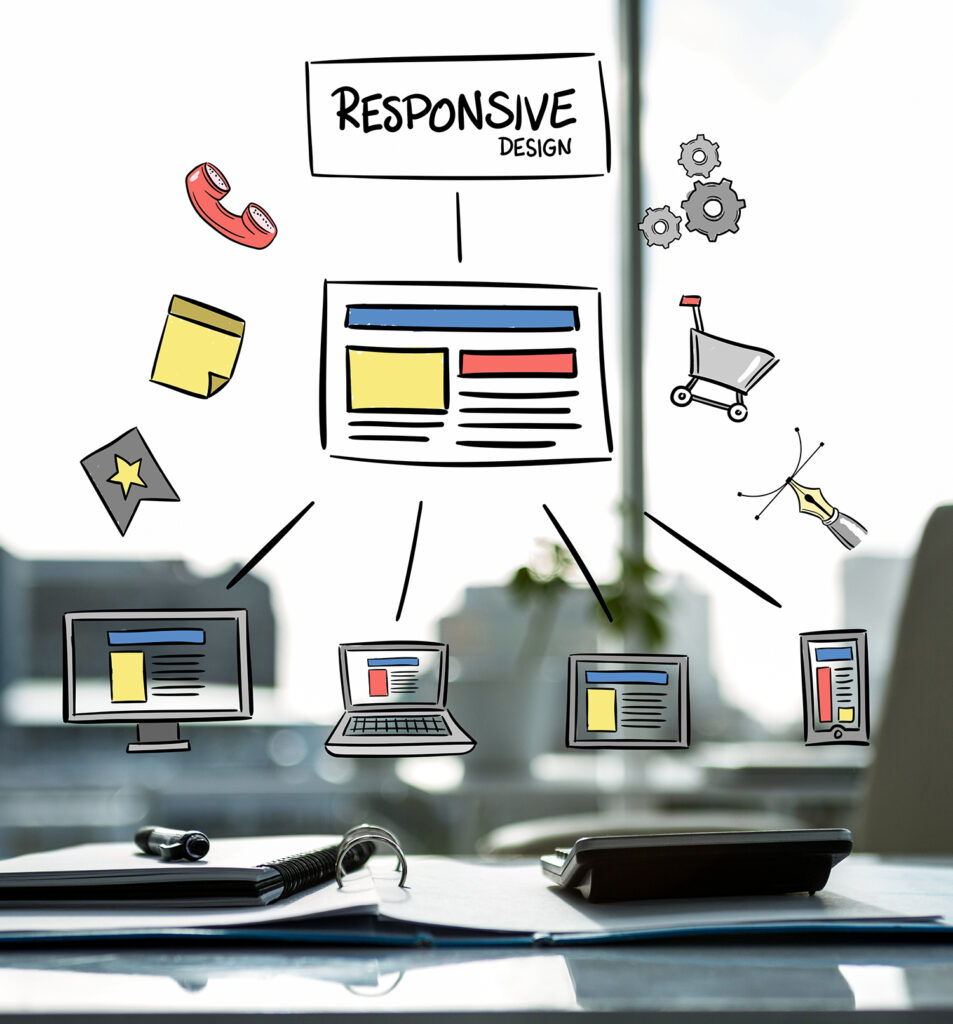



A business website stops being "just a website" the moment it needs to bring in leads, support sales, connect with marketing, and represent your brand properly. That is why choosing a web development company in Malaysia is not a design decision alone. It is a business decision that affects credibility, efficiency, and revenue.
Many companies start with the wrong question. They ask, "How much does a website cost?" before asking, "What should this website do for the business?" The better agencies will push that conversation further. They will want to understand your sales process, target audience, internal workflow, and growth plans before recommending a solution.
What a web development company in Malaysia should actually deliver
A capable agency should do more than produce pages that look modern. It should translate business requirements into a working digital asset with a clear commercial purpose. For some companies, that means a corporate website that builds trust and generates inquiries. For others, it means an e-commerce platform, a customer portal, a booking flow, or a custom web application that solves an operational problem.
This is where many projects go off track. A vendor may be strong in visual design but weak in technical planning. Another may be technically skilled but unable to align the build with brand positioning or lead generation goals. A reliable partner bridges both sides. It understands how design, development, hosting, content, and digital marketing work together.
In practical terms, that means your agency should be able to advise on structure, user experience, mobile responsiveness, speed, content flow, SEO readiness, and system stability. If the agency also supports hosting, maintenance, and marketing, the long-term value becomes stronger because execution does not stop at launch.
Why Malaysian businesses are looking for integrated digital partners
The demand for a web development company in Malaysia has matured. Businesses are no longer only looking for someone to "build a site." They are looking for a partner that can support the entire digital process, from planning and design to visibility and maintenance.
This shift makes sense. When businesses work with separate vendors for web design, development, SEO, hosting, ad management, and email setup, delays are common and accountability becomes blurred. If something breaks, each party points elsewhere. If performance drops, no one owns the full picture.
An integrated agency model solves that problem. It creates a single point of responsibility across the website, digital campaigns, and technical support environment. For business owners and marketing teams, that means less coordination overhead and faster execution.
That said, an all-in-one provider is only valuable if it is genuinely competent across those functions. Breadth alone is not a selling point. Delivery quality is.
How to evaluate a web development company in Malaysia
The strongest agencies are usually clear, structured, and commercially aware from the start. They ask precise questions, explain trade-offs, and recommend solutions based on business needs instead of forcing every client into the same package.
Start with business alignment
A website project should begin with objectives. Are you trying to generate B2B leads, improve brand presentation, support recruitment, sell products online, or digitize a process? The answer affects everything from sitemap planning to feature scope.
If an agency jumps straight into visuals without discussing goals, that is a warning sign. Design matters, but design without business context often leads to expensive revisions later.
Look at service coverage carefully
Not every project requires a full-service agency. Some businesses only need a simple company website. Others need web development, UI/UX design, copywriting, SEO, paid ads, hosting, and maintenance under one roof.
The key is fit. If your company expects the website to support long-term growth, it is usually more efficient to work with a provider that can support post-launch marketing and technical upkeep as well. This reduces handover friction and protects continuity.
Assess technical depth and practical support
A polished proposal means little if the agency cannot deliver reliably. Ask how they approach custom features, mobile optimization, performance, security, CMS flexibility, and future scalability. A good agency will explain what is possible, what is unnecessary, and where complexity adds cost without enough business value.
Support matters just as much as build quality. Websites need updates, monitoring, fixes, and occasional improvements. An agency that disappears after launch creates risk, especially for companies that depend on their website for inquiries or transactions.
Price matters, but cost alone is not the decision
In Malaysia, website pricing can vary widely. That is normal because projects vary widely. A five-page informational site is not comparable to a multi-language corporate website, an e-commerce build, or a custom portal with third-party integrations.
The real issue is not whether a quote is high or low. It is whether the scope is clear and commercially sensible. A low-cost project may leave out essential planning, SEO fundamentals, content structure, mobile quality, security setup, or post-launch support. The cheaper option can become more expensive once fixes, rebuilds, or lost opportunities are factored in.
At the same time, the most expensive proposal is not automatically the best one. Some agencies oversell complexity that a business does not actually need. The right partner should be able to recommend a phased approach if your priorities or budget require it.
For example, a startup may begin with a lean but credible website and expand later. A larger company with multiple departments may need a more structured rollout from day one. Good agencies know the difference.
The value of having strategy, development, and marketing connected
A website should not operate in isolation. If you plan to run SEO, Google Ads, Facebook campaigns, email marketing, or WhatsApp outreach, the site needs to be built with those activities in mind.
That affects landing page structure, conversion paths, page speed, analytics setup, content hierarchy, and forms. It also affects how easily your team can publish updates, launch campaigns, and measure results over time.
This is why many businesses prefer working with an agency that understands both development and performance marketing. The website is then treated as part of a broader growth system rather than a standalone creative project.
For companies that also need domain management, hosting, business email, and productivity tools, there is added operational value in consolidating services. It simplifies vendor management and helps maintain consistency across digital infrastructure. SWOT, for example, is positioned around this integrated model, which is especially useful for businesses that want one accountable partner instead of multiple disconnected providers.
Common mistakes businesses make when hiring an agency
One common mistake is choosing based on visuals alone. A strong-looking portfolio is helpful, but it does not prove that the agency can handle your workflow, business model, or long-term support needs.
Another mistake is approving vague scope. If the deliverables are unclear, disputes usually appear later around revisions, functionality, content responsibility, training, hosting, or maintenance.
The third mistake is underestimating internal involvement. Even when outsourcing to a capable agency, your business still needs to provide direction, approvals, and decision-makers. Projects stall when ownership is weak on the client side.
Finally, many companies delay marketing discussions until after the website is launched. That often results in rework. If visibility and lead generation matter, SEO and campaign planning should be considered from the start.
What a strong agency relationship looks like
A dependable web development company in Malaysia should make your digital execution easier, not more complicated. It should communicate clearly, set realistic timelines, explain priorities, and stay accountable after launch.
The best relationships are built on more than project completion. They are built on continuity. As your business grows, your website may need new pages, better conversion pathways, integrations, campaign landing pages, content support, or technical improvements. An agency that already understands your business can move faster and make better recommendations.
That ongoing value is often where the right partnership proves itself. Not in the first mockup, but in the consistency of delivery over time.
If you are evaluating agencies now, focus less on who promises the most and more on who understands your commercial goals, scopes the work properly, and can support the full digital picture with confidence. A good website should look professional. A good agency should help it perform like a business asset from day one.