



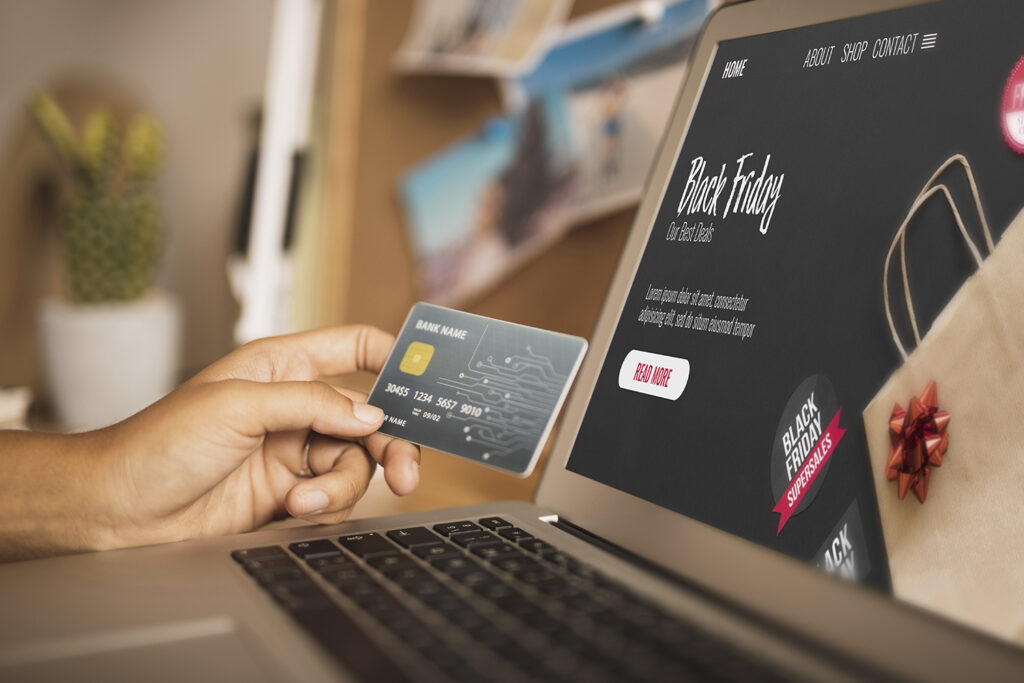
A customer who reaches checkout has already done the hard work: they found your business, trusted your product, and decided to buy. A slow, unfamiliar, or restrictive payment page can still lose that sale. The best ecommerce payment gateways are not simply the platforms with the lowest advertised rate. They are the ones that fit your market, shopping cart, operating model, and plans for growth.
For business owners, payment selection is a commercial decision as much as a technical one. Processing fees affect margins, supported payment methods affect conversion, and the quality of an integration affects the day-to-day workload for your team. The right gateway helps customers pay confidently while giving the business clear control over settlements, refunds, fraud, and reporting.
How to Choose the Best Ecommerce Payment Gateways
Start with the countries where you sell and the currencies you need to accept. A US-focused store may prioritize card coverage, Apple Pay, Google Pay, and familiar options such as PayPal. A business selling in Malaysia or Singapore may also need local bank transfers, digital wallets, and regional payment methods that international gateways do not always support equally well.
Next, look beyond the headline transaction rate. Payment costs can include percentage fees, fixed per-transaction charges, currency conversion, cross-border fees, chargeback fees, monthly plans, and payout fees. A gateway with a slightly higher rate may still be the better commercial choice if it reduces failed payments, supports more local methods, or simplifies reconciliation.
Your ecommerce platform matters as well. Shopify, WooCommerce, Adobe Commerce, BigCommerce, and custom-built stores all have different integration paths. Native support generally means a quicker launch and less maintenance. For a custom ecommerce build, the gateway should offer clear APIs, reliable documentation, tokenization, webhook support, and a test environment that allows developers to validate payment flows before launch.
Security and compliance should be treated as operating requirements, not optional features. Choose providers that support PCI DSS requirements, encryption, fraud screening, 3D Secure where applicable, and role-based account access. Your website should also make refund policies, delivery expectations, and customer service channels easy to find. Gateways assess merchant risk using more than technology alone.
Finally, consider customer experience. A hosted checkout can reduce your compliance scope and speed up implementation, but it may offer less visual control. An embedded checkout can keep customers on your website and match your brand more closely, although it requires more careful development and ongoing testing. Neither route is automatically better. The right answer depends on your sales volume, internal resources, and checkout requirements.
10 Best Ecommerce Payment Gateways to Consider
1. Stripe
Stripe is a strong option for online-first businesses that need flexible payment infrastructure. It supports cards, wallets, subscriptions, invoicing, and many international payment methods, with developer tools suited to custom checkout experiences.
It is particularly effective for SaaS companies, marketplaces, subscription businesses, and brands that expect to build tailored payment logic. The trade-off is that its breadth can require more technical involvement than a simple plug-and-play provider. Businesses should also review availability and supported local payment methods in every market they serve.
2. PayPal
PayPal remains one of the most recognizable names at checkout. Its value is customer familiarity: many shoppers are comfortable completing a purchase without entering card details directly on an unfamiliar store.
For new or lower-volume stores, adding PayPal can build trust quickly. However, it should rarely be the only payment method. Its fees can be higher in certain situations, account reviews can interrupt access to funds, and some customers prefer a direct card checkout. Use it as part of a broader payment mix rather than a complete strategy.
3. Adyen
Adyen is designed for larger and fast-growing businesses that need a unified view of online, in-store, and international payments. It offers broad payment-method coverage, detailed reporting, risk tools, and enterprise-grade operational controls.
Its strength is scale and complexity management. It is usually a better fit for established companies with meaningful transaction volume than for a small store seeking the fastest possible setup. Pricing and onboarding are typically more tailored than with self-service gateways.
4. Braintree
Braintree, part of PayPal, supports cards, digital wallets, recurring billing, and marketplace-style payment flows. It is often considered by businesses that want more customization than a standard PayPal checkout while still working within that ecosystem.
It can be a practical choice for mobile apps and businesses with international ambitions. Before choosing it, verify the availability of the features, countries, and settlement options that apply to your entity. Product capabilities can differ by region.
5. Square
Square is well suited to retailers, cafes, service providers, and other businesses that take payments both online and in person. Its main advantage is operational simplicity: payments, point-of-sale hardware, inventory, and customer data can sit within one ecosystem.
For a business whose sales are mostly offline with a growing ecommerce channel, that consolidation can save time. Pure ecommerce brands with advanced international or subscription requirements may find a more specialized online gateway offers greater flexibility.
6. Authorize.net
Authorize.net is a long-established gateway that remains relevant for businesses needing a conventional card-payment setup, recurring billing options, and support for merchant account arrangements. It is often used by businesses that value a familiar, structured payments model.
The platform can be a sensible fit for established US merchants, particularly where existing banking relationships matter. Its user experience and developer approach may feel less modern than newer providers, so review the checkout and administration experience before committing.
7. Amazon Pay
Amazon Pay allows eligible customers to use payment details associated with their Amazon account. For brands with audiences that already trust Amazon, this can reduce hesitation at checkout.
Its value depends heavily on customer fit. It is not a universal replacement for card payments or wallets, but it can be a useful additional option for certain retail categories. Consider whether your customer base recognizes and values it before adding another checkout choice.
8. Razorpay
Razorpay is a notable option for businesses selling into India. It supports cards, UPI, net banking, wallets, subscriptions, and other locally relevant methods that can be essential for conversion in that market.
For international businesses, its relevance is market-specific rather than universal. If India is a strategic sales region, local payment preference should shape your gateway decision. A globally recognized processor alone may not provide the payment experience local customers expect.
9. iPay88
iPay88 is widely recognized by businesses operating in Malaysia and parts of Southeast Asia. Its strength is access to regional payment options, including online banking and wallets that local shoppers use regularly.
A business targeting Malaysian consumers should assess local gateways alongside global providers instead of assuming card acceptance is sufficient. Familiar local methods can directly affect completed orders, especially for audiences accustomed to bank-based payments. Review supported platforms, settlement timing, and support arrangements as part of the evaluation.
10. 2Checkout (Verifone)
2Checkout, now part of Verifone, is built around international digital commerce and can be useful for businesses selling cross-border products, software, or services. It offers payment acceptance across many countries and can help manage parts of the complexity involved in global selling.
The convenience comes with a pricing and control trade-off. Businesses should clearly understand how merchant-of-record arrangements, payouts, reserves, refunds, and tax-related responsibilities apply to their specific model before onboarding.
Build a Payment Stack, Not Just a Checkout Button
Many successful ecommerce businesses do not rely on one gateway alone. A primary processor can handle most card transactions, while PayPal, regional methods, or wallets serve customer segments with different preferences. This approach can improve conversion and provide business continuity if a provider experiences a technical issue or risk review.
That said, more options are not always better. Every additional method creates more reconciliation work, refund processes, testing requirements, and customer support scenarios. Start with the payment methods your customers are most likely to use, then add alternatives based on actual abandonment data, sales geography, and customer requests.
Before going live, test the complete journey: successful payments, failed payments, declined cards, canceled orders, partial refunds, full refunds, duplicate submissions, confirmation emails, and inventory updates. A gateway integration is only successful when finance, operations, customer service, and marketing can all rely on the data it produces.
For businesses planning a new store or a migration, payment architecture should be decided early, not added after the design is approved. SWOT helps businesses align ecommerce design, custom development, hosting, and payment integration around the way they actually sell. The most suitable gateway is the one that makes it easier for customers to complete a purchase and easier for your business to operate with confidence.