

A startup logo gets judged faster than almost any other brand asset. Before a prospect reads your pitch deck, compares your pricing, or speaks to your team, they form an impression from your visual identity. That is why logo design for startups is not just a creative exercise. It is a commercial decision tied to trust, positioning, and long-term brand consistency.
Many early-stage businesses make the same mistake. They treat the logo as something to finish quickly so they can move on to the "real" work. In practice, the logo often becomes the face of the business across your website, social media, proposals, packaging, ads, and investor materials. If it looks generic, inconsistent, or disconnected from your market, it can weaken credibility before your offer has a fair chance.
Why logo design for startups matters early
Startups operate without the brand familiarity that established companies already have. You are asking the market to believe in a new name, a new promise, and often a new way of solving a problem. Your logo does not carry the whole burden, but it plays a visible role in making the business appear serious, capable, and ready for growth.
A strong logo helps reduce friction. It signals that the company is organized, intentional, and professional. For B2B startups, that can influence whether a prospect takes the first meeting. For consumer brands, it can affect whether someone clicks, follows, or buys. For companies seeking funding or partnerships, visual consistency supports the perception that the business is more mature than its stage might suggest.
That does not mean an expensive or highly complex logo is always the answer. In fact, early-stage brands often benefit more from clarity than from originality for its own sake. A startup needs a mark that is memorable enough to stand out, but practical enough to use everywhere without constant redesign.
What a startup logo needs to do
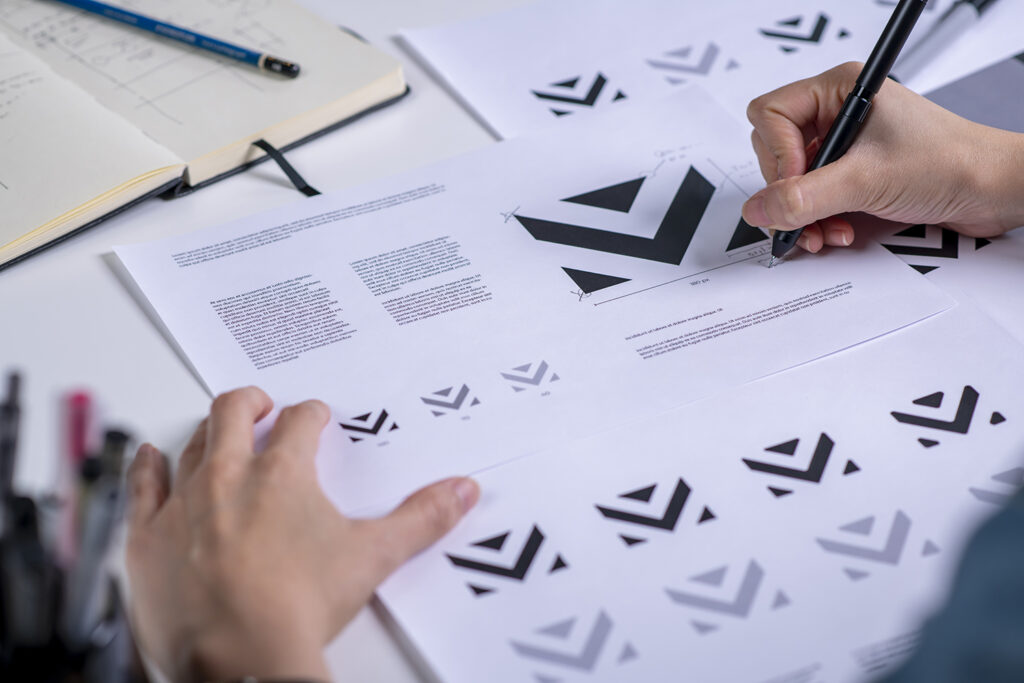
A good startup logo should support business use, not just look attractive on a presentation slide. It needs to work on a website header, a mobile screen, a social media profile, a company profile, and printed material. It should still be recognizable in black and white, and it should not rely on tiny details that disappear at smaller sizes.
It also needs to match the market. A fintech startup, a food brand, a logistics platform, and a healthcare provider should not all look like they came from the same template library. The right direction depends on your audience, pricing position, and competitive landscape. If your buyers expect stability and compliance, a playful identity may create doubt. If your product is designed for younger direct-to-consumer audiences, an overly corporate logo may feel cold or forgettable.
This is where strategy matters. The best logo is not the one with the most creative explanation. It is the one that aligns with your business model and gives you room to grow.
Common mistakes in logo design for startups
One of the most common issues is copying visual trends too closely. Minimalism can work well, but when every startup uses the same geometric icon, lowercase sans-serif wordmark, and muted palette, brand recognition suffers. Trend-driven design often ages quickly, which creates a rebranding cost sooner than expected.
Another mistake is designing in isolation. Founders sometimes approve a logo before thinking through how it will appear on the website, app interface, sales deck, email signature, or ad creative. A logo that looks polished on a white background may fail badly in a real operating environment.
There is also the problem of over-explaining symbolism. If a logo only makes sense after a long presentation about hidden meanings, it is probably not doing enough visual work on its own. Most customers will never hear that explanation. They will simply react to whether the brand looks credible, relevant, and easy to remember.
Finally, many startups rush into design without clarifying brand positioning. If your value proposition is still shifting weekly, locking in a logo too early can create misalignment. It is not about waiting forever. It is about making sure the business has enough strategic direction for the logo to represent something stable.
How to approach logo design for startups strategically
The process should begin with business context, not sketches. Start with your audience. Who are you trying to win, and what do they need to feel when they encounter your brand? Trust, innovation, affordability, expertise, speed, exclusivity, or simplicity can each lead to very different design choices.
Next, review the competitive space. This is not to imitate competitors, but to avoid blending in. If every company in your category uses blue and abstract symbols, you may need a smarter way to establish distinction. At the same time, complete visual rebellion is not always wise. In some industries, buyers rely on familiar cues. The right balance depends on how much category recognition matters versus how much differentiation you need.
Then define where the logo will be used in the first 12 to 24 months. If your startup is heavily digital, responsive logo formats and screen clarity matter more than decorative detail. If packaging, signage, or uniforms are part of the business model, those applications should shape design decisions from the start.
A practical identity system often works better than a single logo file. That means having a primary logo, a simplified version, an icon or favicon, and clear rules for spacing, sizing, and color usage. This helps the brand stay consistent as the business scales across channels and teams.
Choosing the right logo style
There is no universal best style for startups. A wordmark can be effective if the business name is strong and easy to read. An icon-based logo may help if the name is long or if the brand needs a compact visual asset for app stores and social platforms. Combination marks often offer the most flexibility, especially for startups still building recognition.
Typography deserves careful attention. Fonts send immediate signals about personality and market fit. Clean sans-serif type can communicate modernity and clarity, but not every startup should default to the same neutral look. Slight adjustments in weight, spacing, and character shape can change the impression from generic to deliberate.
Color should also be selected with purpose. It influences recognition and emotion, but the choice should connect to brand positioning and usage practicality. Bright colors can improve visibility, while restrained palettes can signal premium positioning. The trade-off is context. A color that stands out online may be harder to reproduce consistently across print and merchandise.
When a cheap logo costs more later
Budget matters for startups, but cutting corners on branding can create avoidable costs. A low-cost logo from a generic marketplace may seem efficient at launch, yet it often leads to inconsistent files, weak originality, and limited scalability. Those issues show up later when your team needs proper formats for web development, advertising, presentations, or print production.
Rebranding is not always a failure. Some startups outgrow their first identity for valid reasons. But if the original logo was rushed, the business may need a costly reset much earlier than necessary. That means replacing assets across your website, social channels, sales materials, packaging, and customer communications. The real cost is not only the redesign fee. It is the disruption.
A better approach is to invest at the right level for your stage. Early-stage startups do not always need a full enterprise branding program, but they do need a professional solution built for actual business use. That includes strategic thinking, original design, and production-ready assets that work across touchpoints.
The value of working with an integrated digital partner
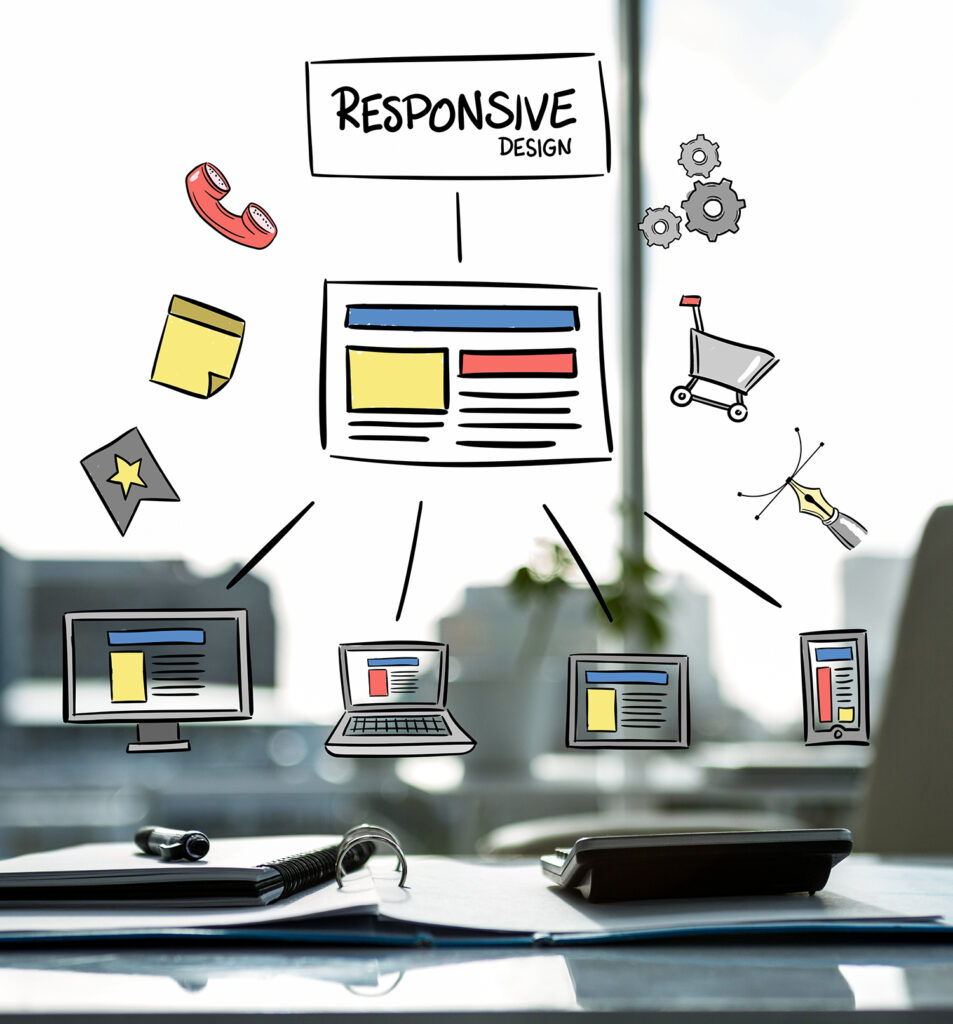
Logo design becomes more effective when it is developed alongside your broader digital presence. Your website, UI elements, marketing materials, and brand messaging should support the same business position. When these are handled separately by disconnected vendors, inconsistencies appear quickly.
An integrated partner can align logo direction with web design, content, campaign visuals, and long-term brand application. That creates a more efficient rollout and reduces the risk of a logo that looks good in isolation but underperforms in real use. For startups planning to build credibility fast, that alignment matters.
This is especially relevant when the logo is only one part of a broader launch. A company like SWOT can support that bigger picture by connecting branding, website execution, marketing readiness, and digital infrastructure under one managed process. For founders and business teams, that means less coordination overhead and a clearer path from brand concept to market presence.
What founders should expect before approving a logo
Before final sign-off, ask practical questions. Does the logo still work when scaled down? Does it look credible in monochrome? Will it fit your website header cleanly? Does it feel aligned with the customers you want to attract, not just the preferences of the internal team? These checks are often more valuable than asking whether the logo feels exciting in a vacuum.
It is also worth testing against future use. If the startup expands into new services, enters new markets, or shifts slightly upmarket, will the identity still hold up? The strongest startup logos are not built only for launch day. They are built to remain useful as the business grows.
A logo should not try to say everything about a startup. It should do something more practical. It should give your business a clear, credible, and consistent face that people can recognize and trust while the rest of your brand proves its value.