



A WooCommerce website designer is rarely hired because a business simply wants a nicer storefront. The real reason is usually more commercial than that. Sales are inconsistent, product pages are underperforming, checkout feels clumsy, or the site looks acceptable but does not support growth.
That distinction matters. If your business sells online, design is not decoration. It affects trust, product discovery, mobile usability, conversion rates, and the ease of managing day-to-day operations. A well-built WooCommerce site should help your team sell more efficiently, not create extra work after launch.
What a WooCommerce website designer is actually responsible for
A capable WooCommerce website designer does far more than select colors, place banners, and arrange homepage sections. The role sits at the intersection of user experience, sales strategy, technical practicality, and brand presentation.
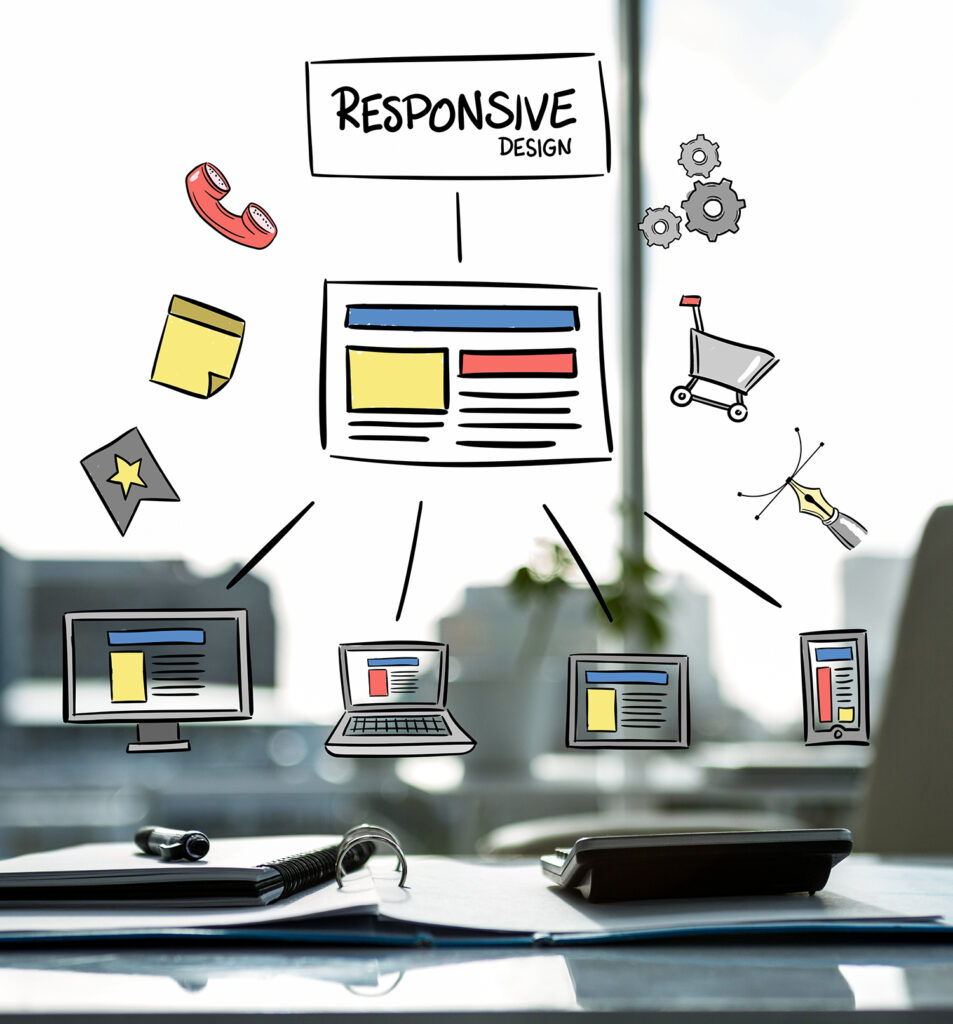
For a business website, design decisions have direct operational consequences. Product filters influence how quickly customers find the right item. Product page layouts affect confidence and buying intent. Cart and checkout flow shape abandonment rates. Mobile responsiveness impacts whether paid traffic turns into revenue or is wasted. Even a simple decision such as where to position shipping details can change conversion behavior.
This is why WooCommerce design should be approached as a business function. Good designers understand the commercial goal behind the build, whether that is generating retail sales, supporting B2B ordering, promoting bundled purchases, or simplifying repeat transactions for existing customers.
A WooCommerce website designer should think beyond the homepage
Many businesses evaluate a website too heavily on the homepage because it is the easiest page to judge quickly. But in e-commerce, revenue is usually won or lost deeper in the site.
Category pages need clear structure and useful filtering. Product pages need strong information hierarchy, especially for pricing, variations, shipping, availability, and calls to action. The cart should reduce hesitation rather than introduce friction. Checkout should feel straightforward, credible, and mobile-friendly.
A designer who focuses too much on visual style and too little on shopping behavior often delivers a site that looks polished in presentation meetings but performs weakly in real use. That is a costly mistake, particularly when traffic is driven by SEO, ads, email campaigns, or social media marketing.
A business should expect its designer to consider how each page type contributes to revenue. That includes landing pages for promotions, content pages that support organic search, and post-purchase touchpoints that reinforce retention.
Design quality and conversion performance are closely linked
For decision-makers, the most useful question is not whether a site looks modern. It is whether the design supports buying decisions.
Customers typically scan before they read. They compare options quickly. They look for evidence that the store is legitimate, pricing is clear, and fulfillment is reliable. Design contributes to that confidence through consistency, readability, product presentation, and the visibility of trust signals.
If a WooCommerce website designer understands conversion behavior, the site will usually reflect a few practical strengths. Navigation will be easy to follow. Product images will be given enough room to sell the item properly. Important information will appear before unnecessary detail. Buttons will be visible without feeling aggressive. Mobile layouts will prioritize speed and clarity instead of copying desktop structure blindly.
That said, conversion is never caused by design alone. Product-market fit, pricing, delivery terms, stock reliability, and traffic quality all matter. A designer should not promise unrealistic sales outcomes based on visuals alone. What they should do is remove friction and create a better path to purchase.
The technical side matters more than many businesses expect
WooCommerce sits on WordPress, which gives businesses flexibility, ownership, and room for customization. It also means design choices can affect site speed, plugin compatibility, maintenance complexity, and future scalability.
This is where the difference between a general designer and a WooCommerce specialist becomes clear. An experienced WooCommerce website designer understands that every visual decision sits on top of a working commerce system. Product variations, shipping logic, payment gateways, promotional rules, customer accounts, and third-party integrations all shape what is realistic.
For example, a heavily animated interface may look impressive in a mockup but create a slower mobile experience. A custom product layout may look clean but become difficult for the internal team to update. A niche plugin may solve one short-term issue while creating long-term maintenance risk.
Strong e-commerce design balances visual impact with operational stability. That balance is especially important for SMEs that need a site to be manageable after handover, not just attractive at launch.
What businesses should expect during the design process
A dependable agency or designer should begin by understanding your business model, product structure, and growth priorities. If that conversation does not happen, the project is already too focused on appearance.
The discovery stage should clarify whether the site serves direct consumers, corporate buyers, distributors, or a mix of audiences. It should identify how many products need to be managed, what payment and shipping requirements exist, and whether promotions, upsells, or multilingual content are needed. These factors influence structure just as much as branding does.
After that, the design process should move into page planning and user flow, not just visual concepts. Wireframes or page structure discussions are useful because they allow business stakeholders to evaluate function before polish. This reduces avoidable revisions later.
The strongest projects also account for content, product data, and operational handover. A site can be beautifully designed and still fail if product uploads are inconsistent, category logic is weak, or the internal team cannot manage updates confidently.
Choosing a WooCommerce website designer for business growth
When evaluating a WooCommerce website designer, businesses should look beyond portfolio style. Attractive work is relevant, but it is only part of the picture.
A better evaluation looks at whether the designer understands business goals, can justify layout decisions, and has experience with real e-commerce requirements such as payment integration, mobile UX, product architecture, and post-launch support. If your business also needs SEO, digital advertising, hosting, maintenance, or integration with broader marketing activity, then a single partner with wider execution capability may be the more efficient choice.
This is often where companies face a practical trade-off. A freelance designer may offer lower initial cost and quick turnaround for a small store. An agency-led approach usually makes more sense when the project involves custom development, long-term support, performance marketing, or multiple digital dependencies. The right choice depends on scale, internal resources, and how much coordination your team wants to manage.
For many businesses, the hidden cost is not the project fee. It is the time spent chasing separate vendors for design, development, hosting, maintenance, and marketing. A centralized partner can reduce that friction and create stronger accountability across the full digital setup.
Why support after launch should be part of the decision
A WooCommerce site is not a one-time asset. Products change, promotions shift, plugins require updates, security must be monitored, and customer expectations continue to rise.
That is why support matters. A business should know who handles bug fixes, design adjustments, performance improvements, and future enhancements after the site goes live. Without a maintenance plan, even a strong launch can gradually weaken due to technical debt and outdated user experience.
For growing businesses, this ongoing support is often where the real value appears. As customer behavior becomes clearer, the store can be refined with better category design, improved landing pages, stronger product messaging, and smarter conversion paths. A site should evolve with the business rather than remain fixed in its launch version.
SWOT approaches this kind of work as part of a broader commercial ecosystem, where web design, development, hosting, and marketing execution work together instead of being handled in isolation.
The right designer helps the business operate better
The best WooCommerce website designer is not simply the one with the flashiest mockups. It is the one who understands that your store must perform for customers, internal teams, and the business as a whole.
That means the site should be easier to manage, easier to scale, and more effective at turning traffic into revenue. It should reflect your brand professionally while supporting practical outcomes such as lead generation, online sales, repeat purchases, and stronger trust.
If you are selecting a partner for a WooCommerce project, look for commercial thinking as much as design capability. A store that sells well and runs smoothly is usually built by people who understand both.