
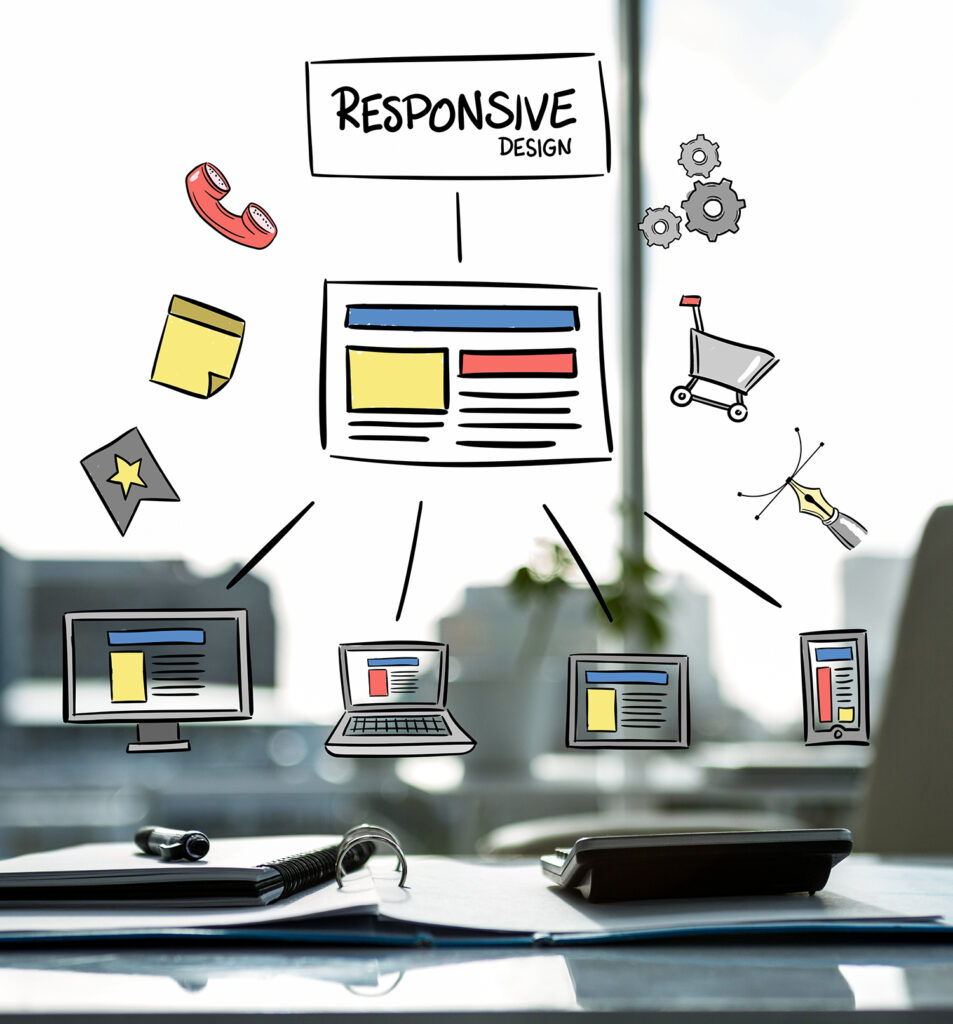



A business website should do more than look presentable. It should support sales, build trust, answer customer questions, and make your operations easier to manage. That is why choosing a web developer KL companies can rely on is a commercial decision, not just a design decision.
In Kuala Lumpur, the market is crowded. You can find freelancers, boutique studios, large agencies, and teams that specialize in one narrow service. The challenge is not finding someone who can build pages. The challenge is finding a partner who can turn business goals into a website that performs well after launch.
What a web developer KL business clients actually need
Many companies start with the wrong question. They ask, "Who can build my website at the lowest price?" A better question is, "Who can build the right website for how our business sells, operates, and grows?"
A startup may need a fast launch with room to scale. An SME may need a corporate website tied to lead generation, SEO structure, WhatsApp inquiry flow, and reliable hosting. A larger company may need custom functionality, stronger governance, role-based access, integrations, and ongoing support. The right web developer is the one who understands those differences and scopes the work accordingly.
That means development should not be treated as an isolated task. Website design, content structure, user experience, technical performance, maintenance, and digital marketing all affect outcomes. If those elements are handled by separate vendors with no shared direction, delays and misalignment are common.
Why choosing on price alone usually costs more
Low-cost web projects often look attractive at the start. The proposal is short, the timeline sounds fast, and the price feels easy to approve. Problems usually appear later.
The site may be built on a bloated template, with weak mobile responsiveness, slow loading speed, or poor content structure. Admin access may be limited. Security practices may be unclear. There may be no maintenance plan, no SEO foundation, and no support once the site goes live. When the business needs upgrades, campaign landing pages, tracking setup, or additional languages, the original build starts to show its limits.
This does not mean the most expensive option is automatically the best. It means price should be weighed against scope, reliability, technical quality, and post-launch support. A website is not a one-time visual asset. It is part of your revenue and brand infrastructure.
What to evaluate before hiring a web developer KL partner
The first thing to assess is business understanding. A capable development partner should ask about your products, sales cycle, audience, internal workflow, and growth plans before recommending a solution. If the conversation stays fixed on colors and homepage layout, that is usually a sign of a shallow process.
The second area is capability range. Some providers are strong in visual design but weak in backend logic. Others can code well but do not think about conversion, user flow, or content hierarchy. For most businesses, the better option is a team that can cover strategy, UI/UX, development, hosting, and ongoing improvements within one delivery framework.
The third area is clarity. A professional proposal should explain what is being built, what platform is being used, what is custom versus template-based, what support is included, and what happens after launch. Ambiguity at proposal stage usually becomes friction during execution.
You should also evaluate responsiveness. Delayed communication before the project starts rarely improves once the work is underway. Business clients need dependable timelines, clear accountability, and practical updates, not vague promises.
The difference between a developer and a digital growth partner
This distinction matters more than many buyers expect. A developer can build what you ask for. A digital growth partner helps define what should be built in the first place.
For example, a company may request a basic corporate site with a contact form. A stronger partner may recommend a clearer service architecture, landing pages for key offerings, conversion tracking, technical SEO setup, and a content framework that supports Google visibility over time. The final product is not just a website. It becomes a business tool that can support lead generation, remarketing, brand credibility, and future campaign activity.
That broader view is particularly useful for companies that do not want to coordinate separate providers for web design, development, hosting, email setup, domain management, SEO, and digital marketing execution. A centralized partner reduces handoff problems and keeps decision-making more efficient.
Common project models and when each one fits
Not every business needs the same development approach. A template-based website can work well for small businesses with straightforward service pages and modest functional requirements. It can reduce cost and shorten launch time if the structure is managed properly.
A semi-custom build often suits growing companies that need stronger branding, better page architecture, and some tailored features without the cost of full custom engineering. This is a practical middle ground for many SMEs.
A fully custom solution is usually justified when the website needs specific workflows, system integrations, customer portals, advanced e-commerce logic, or unique operational features. It offers more control, but it also requires better planning, documentation, and budget discipline.
The right choice depends on your business model, internal processes, and growth plans. Overbuilding can waste budget. Underbuilding can create technical debt that becomes expensive later.
What affects the cost of a web development project
Business owners often ask for a flat price benchmark, but website cost depends on several variables. The number of pages matters, but it is only one factor.
Scope complexity has a major impact. A simple corporate website is very different from an e-commerce build, a membership platform, or a site with custom forms and system integrations. Design depth also affects pricing. A tailored UI/UX process takes more time than adapting a standard layout.
Content readiness is another hidden cost driver. If your company already has approved copy, imagery, and structure, the build moves faster. If the agency needs to help with sitemap planning, messaging, page content, and revisions, the project naturally expands.
Then there is the long-term layer: hosting, maintenance, security updates, backups, analytics, campaign readiness, and enhancement support. A low upfront build without these essentials is not necessarily more economical.
Red flags to watch for
Some warning signs are easy to miss during the sales stage. One is a provider who promises everything immediately without asking many questions. Good web development requires discovery, not guesswork.
Another red flag is the absence of process. If there is no clear explanation of planning, design approval, development, testing, launch, and support, project risk increases. The same applies when ownership of assets, access credentials, or source files is left unclear.
Be cautious if support terms are vague. Businesses need to know who handles updates, downtime, bug fixes, and change requests after launch. A website is a live business asset, and support should be treated accordingly.
Why integrated delivery creates stronger results
When strategy, design, development, hosting, and marketing are aligned, websites generally perform better. The structure supports search visibility. The design supports user trust. The development supports speed and functionality. The hosting environment supports reliability. The marketing layer supports traffic and conversion.
This is where a full-service agency model becomes commercially valuable. Instead of managing multiple vendors with competing priorities, businesses can work with one accountable team across the website lifecycle. For companies that need both execution and continuity, that model is usually more efficient.
A provider such as SWOT fits this approach because the engagement can extend beyond launch into maintenance, SEO, paid ads, content support, cloud tools, and digital operations. That matters when your website is expected to contribute to measurable business outcomes rather than simply exist online.
Making the right decision for your business
The best web developer KL companies choose is rarely the one with the cheapest quote or the flashiest mockup. It is the one that can assess your business needs accurately, recommend the right build approach, deliver on time, and continue supporting your digital growth after the website goes live.
Before appointing any partner, ask a simple question: will this team still be useful to our business six months after launch? If the answer is yes, you are probably looking at more than a vendor. You are looking at a partner with long-term value.
A good website should reduce friction, improve credibility, and create clearer paths to inquiry or sale. That is the standard worth hiring for.