



A startup website checklist is not simply a list of pages to publish. It is a commercial planning tool that helps founders turn a website into a credible sales asset from day one. Before investing in design, development, or advertising, your business needs clarity on what the site must achieve, who it must persuade, and how it will support operations after launch.
For startups and growing SMEs, the website often becomes the first serious test of the brand. Investors, prospective customers, suppliers, and job candidates will use it to judge whether the business is established, trustworthy, and ready to deliver. A visually attractive site helps, but the real value comes from a website that communicates clearly, generates qualified inquiries, and gives your team a dependable digital foundation.
Start With Business Objectives, Not Page Designs
A common startup mistake is beginning with colors, layouts, and competitor screenshots before defining the commercial role of the website. Design should support a business decision, not replace one. Establish the primary outcome first: generating sales leads, selling products, booking consultations, recruiting talent, educating the market, or supporting an app or service launch.
Your objective will shape the entire project. A B2B service startup may need strong service pages, case evidence, inquiry forms, and a structured sales funnel. An e-commerce business requires product organization, payment options, delivery information, customer accounts, and post-purchase communication. A startup preparing for fundraising may need a concise company story, market positioning, leadership profiles, and proof of traction.
Set measurable targets before development begins. These may include monthly inquiry volume, online revenue, demo bookings, email sign-ups, or a reduction in customer support questions. Without agreed performance measures, it becomes difficult to determine whether the website is contributing to growth or simply occupying a digital address.
Define Your Audience and Core Message
Your website cannot speak effectively to everyone. Identify the decision-makers you want to reach, their level of familiarity with your offer, the problems they are trying to solve, and the concerns that may stop them from taking action. A procurement manager needs different information from a consumer buyer, even when both are evaluating the same company.
The homepage should answer several questions quickly: what does your company do, who do you serve, why should customers choose you, and what should they do next? Avoid broad statements that could apply to any business. Claims such as quality service or innovative solutions are weak unless supported by a specific benefit, process, result, or area of expertise.
Your positioning should remain consistent across website copy, sales presentations, social media profiles, advertising, and email communication. Consistency reduces confusion and builds confidence. It also gives marketing campaigns a clear destination rather than directing traffic to a generic homepage that leaves visitors unsure how to proceed.
A Startup Website Checklist for Essential Pages
The right website structure depends on your business model, but most startup websites require a focused set of pages that support trust and conversion. Publishing too few pages can make a company appear incomplete. Publishing too many too early can dilute your message and create content your team cannot maintain.
At a minimum, review whether your site needs the following:
- A homepage that explains your value proposition and directs visitors toward a clear next action.
- Service, product, or solution pages that explain features, benefits, deliverables, pricing approach, or purchasing steps.
- An about page that establishes the company story, expertise, team, and operating standards.
- Contact options that are easy to find, including a professional email address, phone number, inquiry form, and relevant business location details.
- Legal and trust pages, such as privacy, terms, return, shipping, or service policies where applicable.
For businesses in Malaysia, consider whether your site content, data collection practices, and customer communication process align with applicable privacy obligations and industry requirements. Legal pages do not replace legal advice, but they demonstrate operational maturity and clarify expectations for visitors.
Build Trust Into the Experience
Startups frequently face a credibility gap because potential customers do not yet know the brand. Your website should reduce perceived risk at every important decision point. Display a professional domain-based email address, accurate contact information, clear descriptions of your operating process, and current company details. A contact form alone is rarely enough for a business that expects high-value inquiries.
Proof matters. Depending on what is available, this can include customer testimonials, client logos with permission, project outcomes, certifications, founder credentials, media mentions, partner relationships, or product demonstrations. Do not manufacture social proof or use vague testimonials that provide no meaningful context. A smaller number of specific, genuine examples is more effective than a crowded page of unverified claims.
Trust also comes from usability. Visitors should be able to find pricing guidance, delivery timelines, support information, and frequently asked operational questions without searching through multiple menus. If the buying process is complex, explain what happens after an inquiry. This helps qualified prospects take action and discourages low-intent submissions.
Make Conversion Paths Clear
Every key page should have a clear next step. That does not mean placing the same aggressive button throughout the site. It means matching the call to action to the visitor's intent. A prospect learning about a complex service may be ready to request a consultation. A visitor comparing products may need a price quote, product demo, or downloadable specification. Someone who is not ready to buy may prefer to subscribe for updates.
Keep inquiry forms short enough to complete on a mobile device, but detailed enough to help your team qualify the lead. For a service business, ask for a name, business, contact details, area of interest, and a brief project requirement. Requiring too much information early can lower submission rates. Asking too little may leave the sales team without the context needed for a useful response.
Set up an immediate confirmation message and an internal follow-up process. Lead generation is not complete when the form is submitted. Assign ownership, define a response-time expectation, and ensure inquiries reach the right person. A fast, informed reply is often a stronger competitive advantage than another design feature.
Prioritize Mobile, Speed, and Accessibility
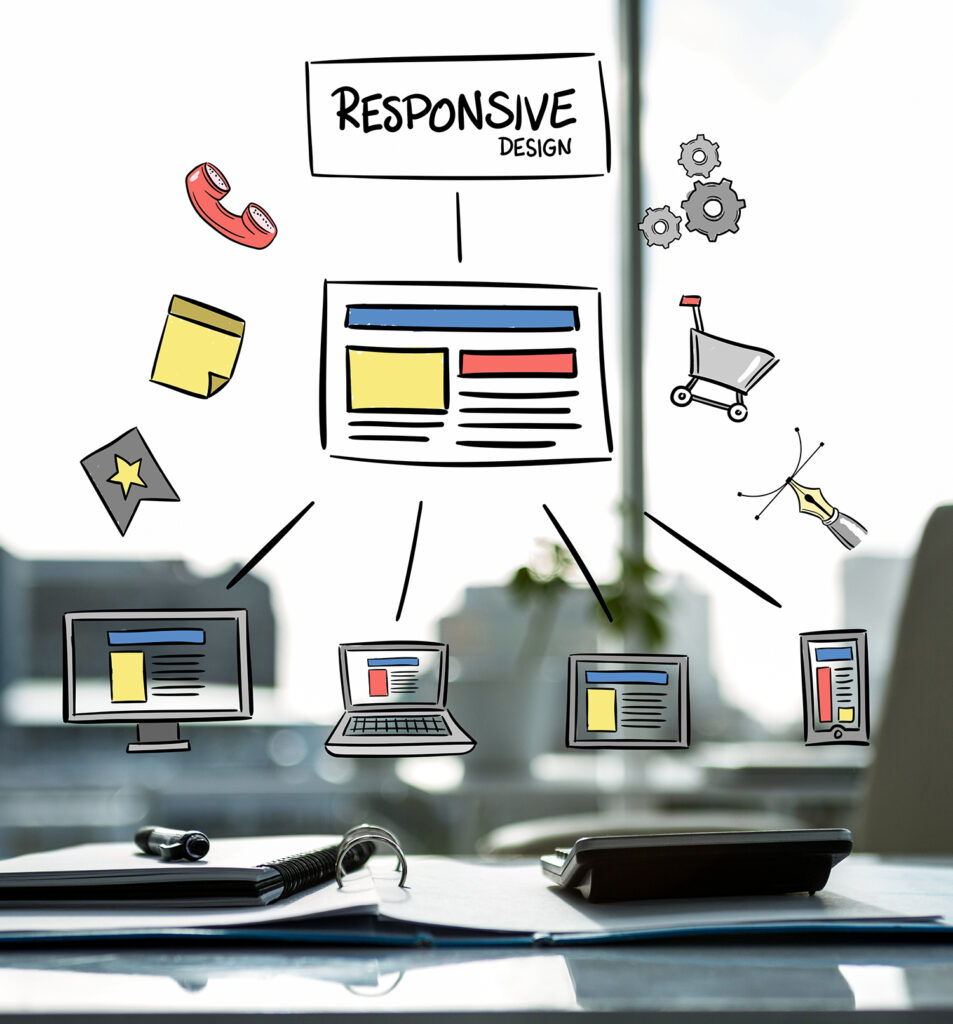
Many startup websites are reviewed first on a phone, especially when traffic comes from social media, search, WhatsApp, or digital advertising. Mobile responsiveness is therefore a business requirement. Test navigation, forms, product options, calls to action, and contact details on different screen sizes before launch.
Page speed also affects user confidence and campaign performance. Large uncompressed images, unnecessary animations, poorly configured hosting, and excessive third-party tools can slow the site significantly. Some visual effects are worth the trade-off for a premium brand presentation, but each feature should justify its effect on loading time, maintenance, and user experience.
Accessibility deserves the same practical attention. Use readable font sizes, sufficient color contrast, descriptive form labels, logical page headings, and image text alternatives where relevant. These decisions make the site easier to use for more people while improving clarity for every visitor.
Put the Technical Foundation Under Business Control
A strong website is not only a front-end project. Confirm who owns the domain name, hosting account, website source files, analytics property, advertising accounts, email platform, and business cloud subscriptions. These assets should be registered with clear company ownership and accessible to authorized stakeholders, not tied solely to an individual employee or outside vendor.
Security and continuity require planning. Install an SSL certificate, use strong access controls, enable backups, keep software updated, and define who is responsible for maintenance. For e-commerce websites, payment security, inventory accuracy, customer data handling, and order notifications require particular care. A low-cost build that has no support plan can become expensive when a problem disrupts sales or damages customer confidence.
This is where an integrated partner can be valuable. SWOT supports businesses across website development, hosting, cloud productivity tools, ongoing maintenance, and performance marketing, helping reduce the operational gaps that often appear when multiple vendors manage disconnected parts of the digital setup.
Prepare Search and Measurement Before Launch
Search visibility should be considered during content planning, not added after the site has been built. Use page titles and headings that reflect how customers describe their needs. Create individual pages for meaningful services or product categories rather than placing all information on one long page. Write useful, original copy that answers commercial questions and gives search engines clear context.
Install analytics and conversion tracking before launch. Track key actions such as form submissions, calls, purchases, demo requests, and newsletter registrations. If you plan to run Google Ads, social campaigns, or email promotions, accurate tracking is essential for understanding which channels produce real business results.
Review data regularly, but do not overreact to small fluctuations. A startup site may initially receive limited traffic, so the quality of inquiries and user behavior can be more meaningful than raw visitor numbers. Use the findings to refine landing pages, offers, calls to action, and campaign targeting over time.
Launch With Accountability
Before going live, conduct a final review across devices and browsers. Check every form, contact detail, menu item, button, image, legal page, confirmation email, and payment or booking process. Ask someone unfamiliar with the business to complete a key task. If they cannot understand the offer or submit an inquiry easily, prospective customers may face the same problem.
A website launch should mark the beginning of active improvement, not the end of the project. Keep ownership clear, monitor performance, refresh content as the business evolves, and fix issues before they become customer-facing problems. When your website is managed as a working business asset, it can grow alongside your startup instead of becoming an outdated brochure within a year.