



A poor website decision usually does not fail on launch day. It fails six months later, when updates are slow, leads are inconsistent, and your team is juggling a designer, developer, hosting provider, and marketer who all blame each other. That is why choosing the right website design company is less about visual taste and more about business reliability.
For startups, SMEs, and established companies, a website is not a side project. It supports credibility, sales inquiries, hiring, customer trust, and campaign performance. If the site is weak, every marketing effort becomes more expensive. If the site is built well, it becomes a productive business asset that supports growth across channels.
What a website design company should actually deliver
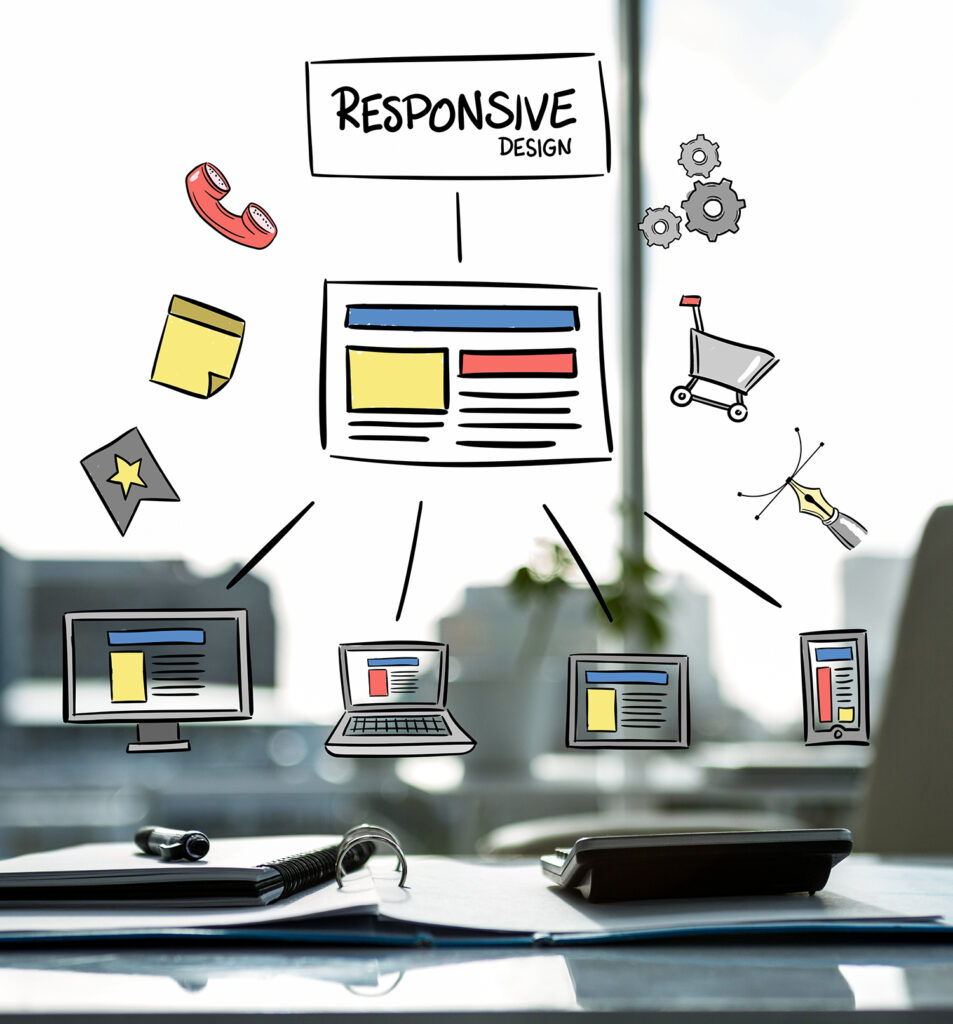
Many businesses evaluate agencies by homepage mockups alone. That is understandable, but incomplete. A website has to do more than look modern. It needs to reflect your brand clearly, guide visitors to action, load efficiently, work across devices, and be manageable after launch.
A capable website design company should connect design decisions to commercial outcomes. That means understanding your audience, your offer, your sales process, and the actions you want users to take. For one business, success may mean more quote requests. For another, it may mean online purchases, distributor inquiries, or lower support volume through clearer information architecture.
Good design matters, but design without strategy often creates expensive rework. The best agency relationships start with business questions, not just color preferences.
Why businesses outgrow freelancers and fragmented vendors
There is nothing wrong with hiring a freelancer for a small project. In some cases, it is the right move. But as your business grows, the limits become obvious. You may need custom development, UI improvements, copy support, technical SEO, analytics setup, hosting guidance, and ongoing maintenance. Managing separate providers for each part creates delays and avoidable gaps.
This is where a full-service website design company becomes more practical. Instead of coordinating multiple specialists, you work with one partner that can align design, development, infrastructure, and marketing. That reduces handoff issues and makes accountability clearer.
The trade-off is that not every agency with a broad service menu is equally strong in execution. Some sell everything and deliver average work across the board. Others are structured to provide integrated support without sacrificing depth. The difference usually shows in process, communication, and post-launch support, not just sales presentations.
How to evaluate a website design company
The right evaluation process is usually straightforward. Look at how the company thinks, how it delivers, and how it supports clients after the website goes live.
Start with business understanding
A strong agency should ask about your company goals early. If the conversation jumps straight to layout styles without discussing target audience, lead flow, products, or internal processes, that is a warning sign. A website should be built around the role it plays in your business.
For example, a corporate site for investor confidence needs a different structure from an e-commerce platform focused on conversion rate. A B2B service site that depends on high-value inquiries will need strong trust signals, persuasive copy, and clean lead capture. Context matters.
Review relevant work, not just attractive work
A polished portfolio is helpful, but relevance matters more than visual variety. Look for projects that show the agency can handle your type of business, level of complexity, and target market expectations. If you run a service-based company, a beautiful fashion brand site may not tell you much about how the agency handles lead generation, service positioning, or structured content.
Ask whether the websites perform well from a business standpoint. Were they built for speed, usability, scalability, and maintainability? Could the client easily expand later? A design that looks impressive but becomes difficult to update is often a costly mistake.
Assess technical and operational capability
This is where many buying decisions become too shallow. A website design company should not only create interfaces. It should understand the systems behind them. That includes CMS setup, hosting environments, domain management, security basics, mobile responsiveness, SEO readiness, and integrations such as forms, CRM workflows, analytics, or e-commerce functions.
If your business needs more than a brochure website, technical capability becomes critical. Custom workflows, payment features, user dashboards, multilingual structure, or app-connected functions require more than design software. They require dependable development and testing discipline.
Clarify support after launch
A website is never truly finished. Content changes, plugins require updates, campaign landing pages get added, and user behavior shifts over time. If post-launch support is unclear, your site may become outdated faster than expected.
Ask what happens after handover. Will the agency provide maintenance, troubleshooting, performance monitoring, content support, or digital marketing alignment? A company that can support both launch and long-term operation usually creates better continuity.
The real value of an integrated digital partner
For many businesses, the most practical choice is not simply a designer or developer. It is a partner that can connect website execution to broader digital performance. That includes search visibility, paid advertising, conversion tracking, email workflows, hosting, cloud tools, and brand consistency.
When these functions sit with different vendors, businesses often lose time resolving gaps between strategy and execution. Marketing campaigns point traffic to weak landing pages. Website updates lag behind promotions. Technical issues affect lead flow. Reporting becomes fragmented.
An integrated agency model solves that when it is managed properly. A company like SWOT, for example, can support website design, development, hosting, maintenance, SEO, paid campaigns, and business productivity services under one structure. For clients, that can mean fewer delays, clearer accountability, and a more coordinated digital operation.
That said, integration only adds value if the provider is organized and commercially focused. A long service list is not enough. What matters is whether those services work together to support measurable outcomes.
Red flags to watch before you sign
Some problems are easy to spot if you know where to look. One is vague pricing with no clear scope. Another is an agency that promises very fast delivery without discussing discovery, revisions, testing, or content preparation. Speed sounds attractive, but rushed projects often create hidden costs later.
Another red flag is when the provider avoids discussing ownership, access, or maintenance responsibility. Your business should know who controls the domain, hosting, CMS access, and core assets. Ambiguity here leads to operational risk.
You should also be cautious if the company cannot explain how success will be measured. Not every website project needs complex analytics, but there should be agreement on what the site is expected to achieve. Otherwise, approval becomes subjective and performance remains unclear.
Choosing based on value, not just price
Price always matters, especially for startups and SMEs. But the lowest quote is rarely the lowest-cost option over time. If the website needs to be rebuilt, repaired, or heavily revised within a year, the original savings disappear quickly.
A better approach is to compare value. What level of strategy is included? How custom is the solution? What technical quality can you expect? Is support available after launch? Can the same partner help with SEO, ads, content updates, or cloud setup if your business expands?
Some companies need a lean but professional site delivered efficiently. Others need a more advanced build tied to marketing performance and internal systems. Neither is automatically better. The right choice depends on your business stage, goals, and operational complexity.
What the best decision-makers ask upfront
The most effective buyers usually ask simple but important questions. How will this website support our business goals? What is included in the process from planning to launch? Who handles design, development, content coordination, and testing? What support exists after launch? And how will this scale if our requirements grow?
These questions move the conversation away from surface-level sales talk and toward execution reality. That is where the best agency relationships are formed.
A website should not leave your team with more vendors to manage, more technical issues to chase, or more uncertainty around performance. It should give your business a stronger foundation to market, sell, and operate with confidence. Choose the partner that treats your website as a business tool, not just a design file.