



A business owner usually knows when their website is holding the company back. Leads are inconsistent, the design feels dated, updates take too long, and marketing campaigns send traffic to pages that do not convert. At that point, a website for SMEs stops being a branding exercise and becomes a business decision.
For small and medium-sized enterprises, the website is often the first sales touchpoint, the first credibility check, and the first place a prospect decides whether to continue the conversation. That makes the standard higher than simply being online. A company website needs to present the business clearly, support marketing activity, and give management confidence that digital investment is producing measurable returns.
Why a website for SMEs matters more than ever
SMEs do not have the luxury of wasting budget on digital assets that look good but do little else. Every page should help the business move forward, whether that means generating inquiries, supporting sales teams, reducing manual customer service, or making it easier for customers to take action.
A professional website immediately affects perceived trust. When buyers compare vendors, they look for signals of legitimacy such as clear service information, current branding, mobile usability, secure browsing, and responsive contact options. If the website appears neglected, prospects often assume operations may be the same.
There is also the commercial side. Paid ads, SEO, social media, email campaigns, and WhatsApp outreach all work better when they point to a website built to support conversion. Without that foundation, marketing costs rise because more traffic is needed to achieve the same result.
For many SMEs, the website also becomes an operational tool. It can collect leads, answer common questions, support recruitment, showcase case studies, process online orders, and integrate with email or CRM workflows. That is where return on investment starts to improve – not from having more pages, but from having a site that supports actual business activity.
What a high-performing website for SMEs should include
Not every SME needs a large custom platform. But every serious business website should cover a few non-negotiable areas well.
The first is clarity. Visitors should understand what the business offers, who it serves, and what action to take next within seconds. Many SME websites lose opportunities because they lead with vague taglines instead of practical value. Clear copy, structured service pages, and obvious calls to action usually outperform clever wording.
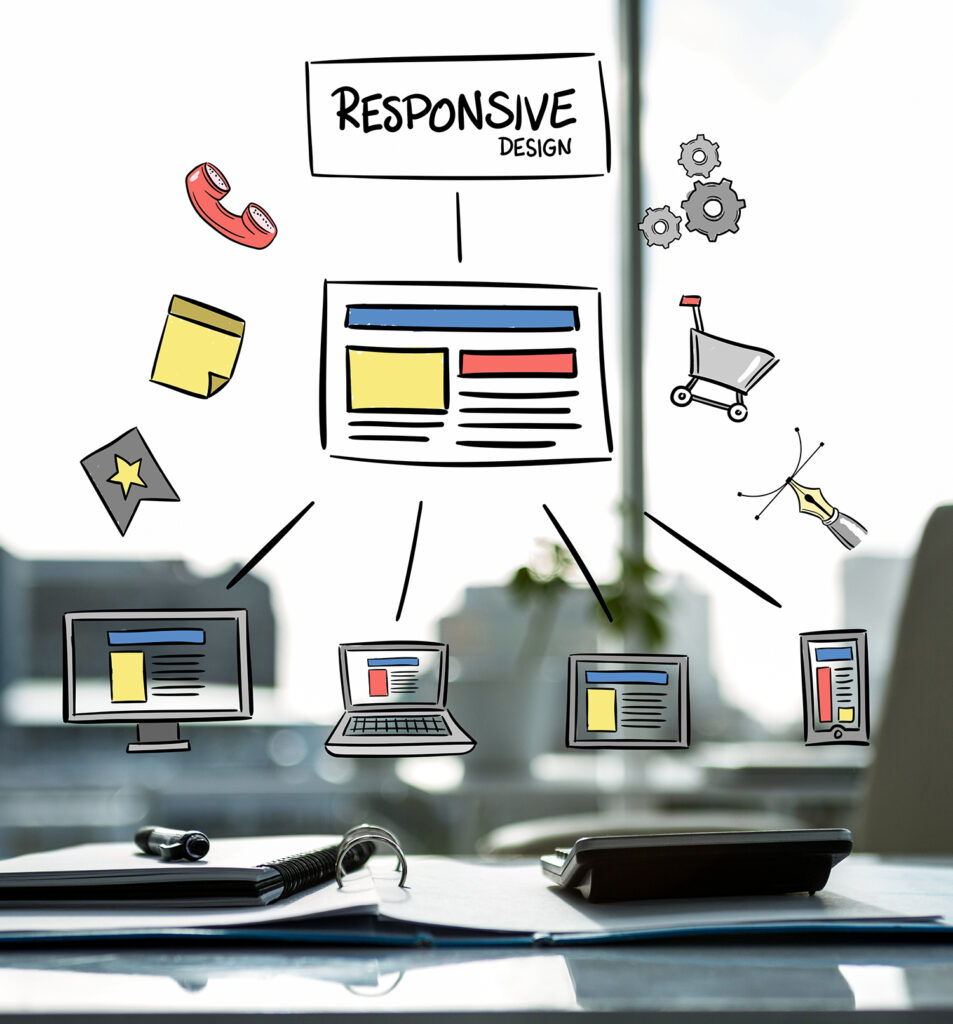
The second is usability. A site must load quickly, display properly on mobile devices, and make navigation easy. In many markets, mobile traffic now dominates. If forms are difficult to complete or contact details are hard to find on a phone, conversion rates suffer.
The third is credibility. Strong visuals help, but credibility comes from relevance and detail. Company profiles, service explanations, project examples, testimonials, certifications, and professional contact information all reduce buyer hesitation. For B2B SMEs especially, prospects want evidence that the company can deliver.
The fourth is scalability. An SME may begin with a corporate website, then later add landing pages, multilingual content, e-commerce, booking features, recruitment tools, or marketing integrations. A site should be built with room for growth, not as a fixed brochure that becomes obsolete within a year.
Design is important, but business logic matters more
A common mistake is treating design as the main measure of website quality. Design matters because it influences first impressions and usability, but visual polish alone does not guarantee business performance.
A well-designed SME website should support how buyers actually make decisions. That means structuring content around services, industries, use cases, pricing logic where appropriate, and clear next steps. It also means thinking about internal business needs. Who will update the site? How quickly can new campaigns be launched? Will the sales team need landing pages? Can the company add new service categories without rebuilding everything?
This is where tailored execution becomes more valuable than generic templates. Templates can reduce cost and speed up launch, which may be a reasonable choice for some startups. But as requirements grow, limitations appear. The website may not reflect the brand properly, conversion paths may be weak, and integrations may be difficult. A more tailored build often costs more upfront but reduces friction later.
The right decision depends on the business stage, sales model, and growth plans. A small company testing a new market may need a lean launch. An established SME with multiple services, active campaigns, and a serious sales pipeline usually needs stronger structure and more flexibility.
The link between websites, marketing, and lead quality
A website should not sit separately from the rest of digital activity. If marketing is part of the growth plan, the website needs to support it from the start.
SEO requires service pages with strong content architecture, technical performance, and metadata support. Google Ads campaigns need landing pages aligned to search intent. Social campaigns need fast mobile experiences and conversion tracking. Email marketing needs forms, segmented landing pages, and a consistent brand presentation.
When these parts are disconnected, SMEs feel the impact quickly. Campaigns generate clicks but not inquiries. Traffic rises but sales teams say lead quality is weak. Reporting becomes unclear because there is no proper tracking setup. The issue is often not the channel alone. It is the website acting as a weak middle layer between marketing effort and business outcome.
A stronger approach is to build the website as a performance asset from day one. That means planning page structures around search intent, lead generation, user flow, and conversion measurement instead of treating those as later add-ons.
Choosing the right build for your SME
There is no single best format for every business. The right website depends on what the company needs it to do.
A simple corporate site may be enough if the goal is credibility, company information, and lead capture. A service-led business with multiple offerings often needs dedicated pages for each service so prospects can find relevant information quickly and marketing campaigns can target specific demand. An e-commerce business requires different priorities, including product architecture, payment integration, stock logic, and conversion optimization.
Some SMEs also need custom functions. That may include quotation forms, dealer portals, booking workflows, membership access, or integrations with third-party business tools. These features add value when they solve a real operational problem. They also increase development scope, so they should be planned carefully rather than added impulsively.
This is why agency selection matters. Business owners should not only ask whether a vendor can design and develop a website. They should ask whether the partner can align design, development, hosting, maintenance, and marketing support under one commercial objective. That integrated approach reduces delays, conflicting advice, and the hidden cost of managing multiple providers.
For companies that want one accountable partner across website execution, digital marketing, hosting, and ongoing support, agencies such as SWOT are well positioned because the website is treated as part of the broader growth infrastructure, not an isolated project.
Common mistakes SMEs make with websites
The most frequent mistake is under-scoping the website at the start. Businesses try to keep the project minimal, then later realize they need landing pages, SEO support, analytics, lead routing, and content updates. The result is patchwork expansion that costs more over time.
Another mistake is focusing only on launch. A website is not finished when it goes live. It needs maintenance, security updates, content refreshes, technical monitoring, and performance reviews. Without post-launch support, even a good website degrades.
Many SMEs also write for themselves instead of for buyers. Internal language, broad claims, and incomplete service details make the site less persuasive. Prospects need clear explanations, commercial relevance, and simple pathways to act.
Finally, some companies choose based on the lowest quote. Cost matters, especially for SMEs, but cheap development often shifts expense into later fixes, redesigns, poor performance, or support gaps. Competitive pricing is valuable when it is matched with quality delivery, dependable support, and measurable business outcomes.
What decision-makers should prioritize
If you are evaluating a website project, start with the business goal. Do you need more qualified leads, stronger credibility, better support for campaigns, smoother customer journeys, or all of the above? That answer should shape scope, features, content structure, and budget.
Then assess whether the proposed website can be maintained efficiently, expanded when needed, and supported after launch. A site that looks polished but creates internal dependency is not always the best commercial choice. Reliability, speed of execution, and ongoing support are often just as important as design quality.
A website for SMEs should do more than occupy a domain name. It should help the business present itself professionally, compete more effectively, and convert digital attention into commercial opportunity. When that standard is applied from the beginning, the website becomes easier to justify, easier to grow, and far more valuable over time.
The right website is not the one with the most features. It is the one built around how your business wins customers and how you plan to grow next.