
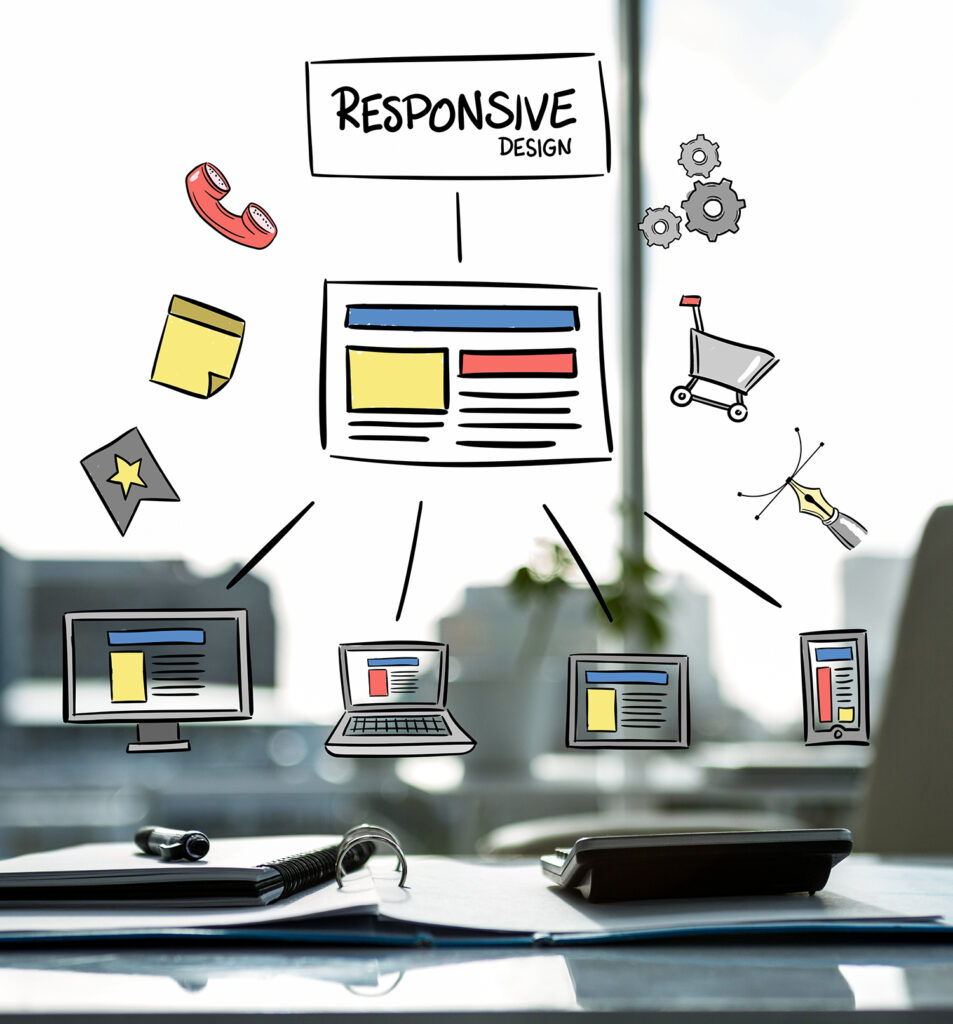



A surprising number of online stores fail before the first real sales cycle is complete. Not because demand is weak, but because the business launched with the wrong platform, unclear operations, poor product structure, or no traffic plan. If you are figuring out how to launch online store operations for a real business, the goal is not simply to go live. The goal is to launch with a setup that can support sales, marketing, fulfillment, and growth without creating avoidable problems three months later.
For founders, SME owners, and marketing decision-makers, that means treating e-commerce as a business system, not just a website project. Your store has to look credible, work properly on mobile, handle payments securely, support logistics, and give your team room to market effectively. A rushed launch may save time in the short term, but it often creates higher costs in redesigns, technical fixes, and customer trust issues later.
How to launch online store with a business-first plan
Before choosing themes, uploading products, or discussing promotions, define what the store needs to achieve. Some businesses need direct online sales. Others need a catalog-plus-inquiry model, wholesale ordering, booking integration, or multichannel selling across marketplaces and social platforms. These differences matter because they affect your platform choice, checkout flow, product setup, and operational requirements.
Start with three questions. What exactly are you selling? Who are you selling to? And what process should happen after someone places an order? If the answers are vague, the store build will be vague too. Businesses that sell a small number of standardized items can usually move faster. Businesses with product variations, dealer pricing, custom requests, or inventory dependencies need more planning upfront.
Pricing strategy also needs attention early. Many businesses focus on product price and forget transaction fees, delivery charges, promotional discounts, return costs, and ad spend. A store that looks active but operates on weak margins is not a strong launch. Commercial viability should shape the store structure from the beginning.
Choose the right platform for your operating model
There is no single best platform for every business. The right choice depends on budget, flexibility, internal resources, and long-term plans. A template-based hosted platform may be suitable for a startup that needs speed and manageable monthly costs. A custom or more advanced build may be the better option if you need unique workflows, ERP integration, membership logic, multilingual support, or more control over user experience.
This is where many businesses make an expensive mistake. They either overbuild too early or choose the cheapest option and outgrow it quickly. If your business expects modest order volume and straightforward fulfillment, a simpler platform can be sensible. If your store is central to revenue and will need custom development, marketing integrations, and scalable performance, the platform decision should be made with growth in mind.
A dependable agency partner can help assess this properly. Businesses often underestimate the cost of coordinating designers, developers, hosting providers, payment setup, and marketing teams separately. A more integrated approach usually reduces delays and avoids handoff issues.
Build the store around trust, not just appearance
Design matters, but not in the way many businesses assume. A good-looking homepage is useful, yet conversion usually depends more on clarity, speed, mobile usability, and confidence signals than visual effects. Customers need to understand what you sell, why they should trust you, how payment works, how delivery works, and what happens if there is a problem.
That means your store should have a clean product structure, simple navigation, clear calls to action, and accurate information across product pages, shipping details, return policies, and contact channels. Weak content creates friction. So does inconsistent branding, low-quality product imagery, and confusing checkout steps.
If you are serious about launch quality, prioritize the pages that directly affect buying decisions. Product pages should explain features, pricing, availability, and delivery expectations. Category pages should help users browse quickly. The checkout process should remove unnecessary steps. On mobile, every click matters more.
It is also worth remembering that trust is operational. If your payment gateway looks unreliable, if the website loads slowly, or if the order confirmation process feels uncertain, customers will hesitate. A credible store experience is built through design, infrastructure, and communication working together.
Set up payments, shipping, and inventory before launch
One of the most practical parts of how to launch online store operations is also the part businesses sometimes postpone until the end. That is a mistake. Payments, shipping, and stock handling are not technical details. They are core commercial functions.
Your payment setup should match customer expectations in your market. Depending on your business model, that could include card payments, FPX, e-wallet options, bank transfers, or corporate invoicing structures. The right mix depends on your audience and average order value. Security, settlement timelines, and transaction fees all need review before go-live.
Shipping is equally important. If you sell physical goods, define your delivery zones, rates, courier process, packaging standards, and customer notifications. If shipping rules are not configured properly, margin leakage starts immediately. Free shipping can improve conversion, but only if it fits your numbers. Flat rates may simplify communication, but they are not always sustainable for heavier or mixed orders.
Inventory control also deserves discipline. If your stock is managed manually, your team needs a clear process for updating product availability. Overselling damages trust quickly. If you operate across multiple sales channels, inventory synchronization becomes even more important.
Prepare the launch before you publish the site
A store is not ready just because the pages are complete. Proper testing is what separates a professional launch from a risky one. Every major user action should be checked before traffic is sent to the site. That includes browsing, searching, adding to cart, applying discounts, checking out, receiving confirmation emails, and internal order notifications.
Test on desktop and mobile. Test with real payment scenarios where possible. Review page speed, broken layouts, contact forms, tracking setup, and basic SEO elements such as metadata, heading structure, and indexability. If the site cannot be crawled properly or your analytics are missing, you are starting without visibility.
Businesses should also prepare customer service workflows before launch. Who responds to order issues? How quickly? What happens when stock is unavailable or a delivery is delayed? Customers do not separate website problems from brand problems. From their perspective, it is all one business experience.
Launch traffic is part of launch planning
A common misconception is that once the store is live, customers will arrive. In reality, a new store without a traffic strategy usually has very limited visibility. Launch planning should include how you will generate qualified visits from day one and how those visits will be measured.
This can include SEO foundations, branded search readiness, Google Ads, social campaigns, email marketing, WhatsApp outreach, remarketing, and marketplace or social commerce support where relevant. The right mix depends on your industry, urgency, and budget. Paid campaigns can generate early traction faster, while SEO and content improve long-term visibility. Most businesses need both short-term acquisition and long-term growth planning.
What matters is alignment. If your ads promote one offer but your landing pages are weak, results suffer. If your store collects leads or purchases but no follow-up automation exists, you lose potential value. Launch is not just a website event. It is the start of customer acquisition operations.
How to launch online store for long-term growth
The strongest online stores are not the ones that launch fastest. They are the ones built to improve after launch. Your first version should be commercially ready, but it should also give you data. Which products get attention? Where do users drop off? Which channels produce higher-value customers? Which promotions increase sales without damaging margin?
This is why post-launch support matters. Maintenance, updates, campaign adjustments, UX improvements, and technical monitoring should not be treated as optional extras. E-commerce performance changes over time, and stores that are left untouched tend to lose efficiency.
For many businesses, the smarter approach is to work with one trusted partner that can handle development, hosting, marketing, and support in a coordinated way. That reduces fragmentation and gives decision-makers clearer accountability. SWOT supports this kind of integrated execution for businesses that want an online store built not just to function, but to contribute to measurable growth.
If you are planning your launch now, think beyond getting the website live. A store should support the way your business sells, operates, and scales. When those pieces are aligned from the start, launch becomes less of a gamble and more of a controlled business move.