
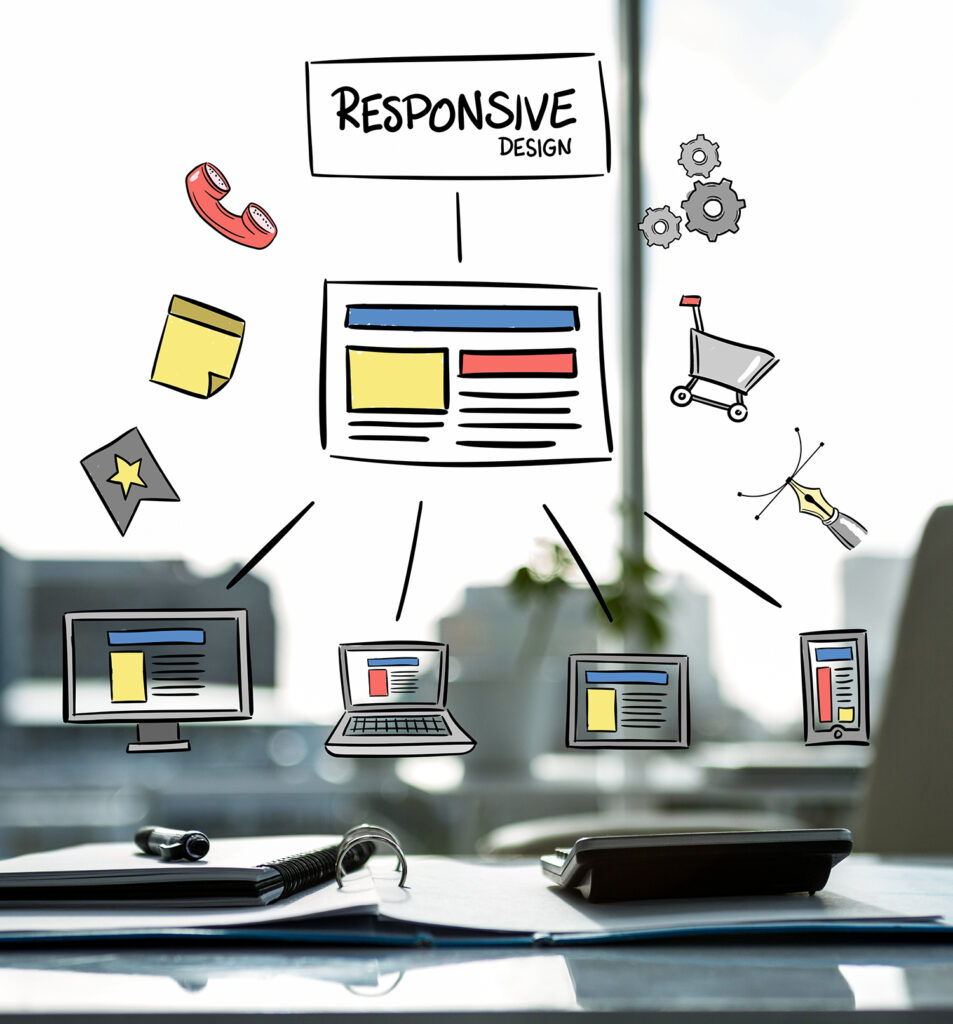



A business website is often asked to do more than present company information. It may need to generate sales inquiries, support distributor applications, process payments, integrate with internal systems, or give customers a faster path to service. Choosing a custom website developer in Malaysia is therefore a commercial decision, not simply a design purchase.
A template-based site can be appropriate for a simple launch. But when your operations, customer journey, or brand positioning have specific requirements, a custom website provides the control to build around how your business actually works. The right development partner should translate those requirements into a dependable digital asset that supports measurable growth.
When a Custom Website Is the Right Investment
Custom development is not necessary for every company. A startup testing a basic idea may be better served by a lean landing page that validates demand quickly. A small business with a straightforward service menu may only need a professionally configured content-managed website.
The case for custom development becomes stronger when off-the-shelf themes force your business to compromise. This often happens when you need a tailored quotation flow, a member portal, a product configurator, multi-level approval process, booking system, CRM connection, inventory synchronization, or a structured content experience for different customer groups.
A custom website is also valuable when brand credibility has direct commercial consequences. Corporate buyers, investors, franchise partners, and high-value customers assess a company through its digital presence. A site that feels generic, difficult to use, or inconsistent with your positioning can weaken confidence before your team has an opportunity to make its case.
The goal is not customization for its own sake. It is to invest in functions that reduce operational friction, help users take action, and give the business a platform that can evolve.
What a Custom Website Developer in Malaysia Should Deliver
A capable development partner should begin with business requirements, not a preselected theme or a list of visual preferences. Before design starts, the developer should understand your target audiences, sales process, current pain points, internal workflows, required integrations, and definition of success.
For example, a manufacturing company may prioritize distributor lead routing, product specification downloads, and multilingual content. A B2B service provider may need authority-building case studies, consultation forms, and integration with its sales pipeline. An e-commerce business may require speed, inventory accuracy, payment flexibility, promotional controls, and analytics that reveal where customers abandon their carts.
The resulting scope should cover more than page layouts. It should address information architecture, UI/UX planning, content management, mobile behavior, performance, security considerations, integration requirements, testing, deployment, and post-launch responsibilities.
Strategy and UI/UX Before Development
Strong development starts with a clear structure. Visitors should be able to identify what you offer, who it is for, and what action to take without searching through cluttered menus or vague messaging. This is where UI/UX design has commercial value.
A considered user journey can improve form completion, product discovery, consultation requests, and customer confidence. It also helps prevent costly revisions later. Changing a wireframe is far more efficient than rebuilding completed functionality because the business objective was not clearly defined at the start.
Design should reflect your brand while remaining practical. Visual impact matters, but it cannot come at the cost of slow loading, unclear navigation, inaccessible content, or difficult content updates. The best websites make complex businesses easier to understand.
Technology That Fits the Operating Model
There is no single best technology stack for every website. The right choice depends on functionality, budget, internal capability, future expansion plans, and the level of control you need.
A content-driven corporate website may benefit from a flexible CMS that allows marketing teams to publish pages, articles, and campaign updates independently. A high-volume e-commerce operation may need a platform built for product management and transaction reliability. A business with specialized internal processes may require a bespoke web application instead of trying to stretch an e-commerce or CMS platform beyond its intended purpose.
Ask prospective developers why they recommend a particular platform. A credible answer should connect technology choices to your requirements, not merely to the tools the agency prefers to sell. You should also understand licensing costs, third-party dependencies, upgrade requirements, ownership of source files, and the effort required to add new features later.
Questions That Protect Your Website Investment
A polished proposal is not enough. Decision-makers should assess how the agency plans, communicates, tests, and supports the work after launch. The following questions can reveal whether a provider is prepared for a serious custom project:
- What business outcomes will the website be designed to support, and how will they be measured?
- Which features are included in the initial scope, and what would count as a change request?
- How will the project team handle content, approvals, testing, and launch readiness?
- Who owns the design files, website code, domain, hosting account, and third-party platform accounts?
- What security, backup, maintenance, and response procedures are available after the website goes live?
These questions are not administrative details. They affect cost control, continuity, and your ability to operate the website with confidence. A low initial quote can become expensive when essential functions, revisions, migration work, or support are excluded from the original scope.
Look Beyond the Launch Date
A website launch is a starting point, not the finish line. Browsers change, plugins require updates, hosting requirements increase, and marketing teams need new landing pages or campaign integrations. Without a maintenance plan, even a well-built website can gradually become slower, less secure, or harder to manage.
Ongoing support should be defined clearly. Depending on the site, this may include software updates, monitoring, backup management, security checks, bug fixes, performance reviews, content support, and development hours for improvements. The level of service should match the importance of the website to your revenue and operations.
This is also where a full-service partner can simplify execution. Rather than coordinating separate vendors for design, development, domain management, hosting, email systems, SEO, paid advertising, and maintenance, businesses can benefit from a coordinated team that understands the complete digital environment. SWOT supports this model by combining web development with digital marketing, cloud services, and ongoing technical support under one accountable relationship.
That said, consolidation should not mean dependency without transparency. Your business should retain clear ownership, documented access, and a practical handover process. A dependable agency welcomes these expectations because they create a stronger long-term working relationship.
Budgeting for Value Instead of Features Alone
Custom website pricing varies widely because the work varies widely. A corporate site with five core pages and a basic CMS is fundamentally different from a multilingual e-commerce platform connected to an ERP system, payment gateway, customer database, and warehouse workflow.
Instead of comparing quotations only by their total price, compare the level of discovery, design depth, functionality, quality assurance, integration work, project management, training, and support included. A proposal that identifies assumptions and limitations is often more trustworthy than one that promises every feature without defining how it will be delivered.
Phased development can be a sensible option when budget is limited. Start with the features most closely tied to revenue, credibility, or operational efficiency, then expand based on real user data. This approach protects cash flow while keeping the architecture ready for future requirements.
Set Clear Measures of Success
A custom website should have practical performance indicators. For a lead-generation site, this may include qualified inquiry volume, consultation bookings, conversion rate, cost per lead from paid traffic, and time spent by sales teams qualifying incomplete submissions. For e-commerce, it may include conversion rate, average order value, repeat purchases, cart recovery, and fulfillment accuracy.
Not every result appears immediately. SEO growth, brand authority, and content performance can take time. However, the website should be configured to capture meaningful data from the beginning. Analytics, conversion tracking, event measurement, and campaign landing pages allow management teams to make decisions based on evidence rather than assumptions.
A quality developer will also explain what the website can influence and what remains outside its control. Better design cannot compensate for unclear pricing, weak sales follow-up, poor product-market fit, or campaigns aimed at the wrong audience. Digital performance is strongest when the website, marketing activity, and internal response process work together.
Choose a Partner That Understands Business Priorities
The best developer is not necessarily the one with the most visual effects or the lowest quotation. It is the team that asks focused questions, proposes a solution appropriate to your stage of growth, communicates clearly, and remains accountable after deployment.
Your website should make it easier for customers to trust you, engage with you, and buy from you. When development decisions are tied to those outcomes, a custom build becomes more than a company profile. It becomes a working part of your business infrastructure.