



A business website is often the first serious interaction a prospect has with your company. Before they call, submit an inquiry, visit your showroom, or compare a quotation, they assess your credibility through the experience on screen. Choosing the right web designer in Kuala Lumpur is therefore not simply a visual decision. It is an operational and commercial decision that can affect lead quality, customer confidence, marketing performance, and long-term digital costs.
Kuala Lumpur offers no shortage of freelancers, design studios, and web agencies. The challenge is finding a partner that can connect design decisions to your business objectives, then deliver reliably after the website goes live. A polished homepage has value, but a website must also be fast, clear, secure, easy to maintain, and structured to support growth.
Start With the Business Result You Need
Before reviewing portfolios, define what the website needs to accomplish. A corporate website built to strengthen investor confidence requires a different approach from an e-commerce store designed to increase repeat purchases. A startup may need a focused lead-generation site that can launch quickly, while an established company may need integrations, multilingual content, approval workflows, or a custom customer portal.
A capable web designer should ask direct questions about your customers, sales process, services, current marketing activity, and internal operations. If the conversation begins and ends with colors, layouts, and page counts, the project may be treated as a design exercise rather than a business asset.
Set practical success measures early. These may include more qualified inquiries, online sales, booking requests, brochure downloads, lower customer-service workload, stronger search visibility, or a more credible presentation for corporate clients. Clear objectives help determine the right platform, content structure, functionality, and budget.
What a Web Designer in Kuala Lumpur Should Deliver
Design quality matters, but it is only one part of a successful website project. The strongest providers combine user experience thinking with development discipline and practical business support.
Design That Guides Visitors to Action
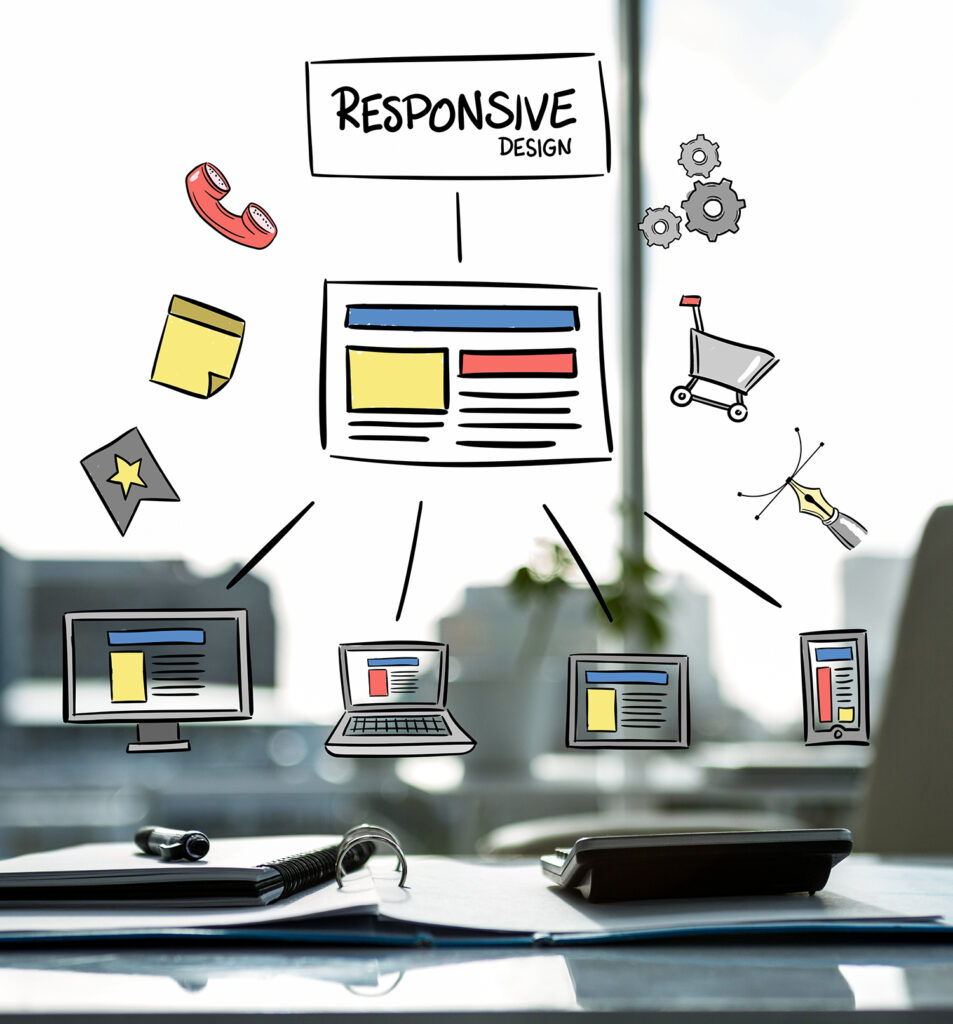
Good web design makes information easy to find and decisions easy to make. Visitors should quickly understand what your company offers, who it serves, why it is credible, and what to do next. This requires logical navigation, readable content, effective calls to action, mobile-friendly layouts, and page structures that support real buyer questions.
For example, a professional services firm may need service pages that build confidence before asking for an appointment. A retailer may need category filters, product information, payment options, and a checkout process with minimal friction. The right design is not the one with the most visual effects. It is the one that supports the way your customers evaluate and engage with your business.
Development That Supports Daily Operations
A website must work reliably beyond launch day. Ask how the site will be built, how content updates will be handled, and whether the solution can scale as your needs change. Off-the-shelf website platforms can be cost-effective for many SMEs, especially when speed and straightforward content management are priorities. Custom development may be the better investment when the business requires specialized workflows, integrations, member functions, pricing logic, or a unique digital process.
Neither option is automatically superior. The right choice depends on the complexity of your requirements, internal resources, growth plans, and maintenance expectations. A dependable agency will explain the trade-offs in plain business terms rather than pushing a platform because it is convenient for its own team.
Performance, Security, and Search Readiness
A visually impressive site that loads slowly or performs poorly on mobile can lose customers before they see your value proposition. Performance should be considered from the beginning, including image optimization, hosting setup, mobile responsiveness, code quality, and page structure.
Search readiness also needs early attention. SEO is not a final checklist added after design approval. Site architecture, page hierarchy, content planning, metadata, technical setup, and conversion pathways all influence how effectively a website can support organic visibility over time.
Security is equally commercial. An outdated website, weak access controls, or neglected software updates can create reputational and operational risk. For businesses collecting customer data, processing payments, or managing staff access, secure hosting and ongoing maintenance should be part of the scope, not an afterthought.
Review Portfolios With a Commercial Eye
Portfolios are useful, but do not judge them only by appearance. Look for work relevant to your sector, customer type, or required functionality. A web designer who has built attractive restaurant websites may not be the right fit for a B2B manufacturer with complex product specifications, distributor inquiries, and regional sales teams.
Ask what business problem each project was designed to solve. Did the agency improve lead flow, make information easier to manage, support e-commerce growth, or modernize a dated corporate presence? You may not always receive detailed performance data due to client confidentiality, but a credible provider should be able to explain the strategic decisions behind the work.
Also review the smaller details. Are the websites clear on mobile? Do pages load efficiently? Is the messaging structured for visitors rather than written as internal company jargon? Can you identify a clear next step on each important page? These details reveal whether the provider understands user behavior, not just visual presentation.
Assess the Team Beyond the Initial Proposal
Many website projects become difficult because the sales conversation and delivery experience are disconnected. Before appointing a provider, understand who will manage the project, who will design and develop it, and how communication will be handled during revisions, testing, and launch.
A reliable proposal should clarify scope, deliverables, timeline, revision process, content responsibilities, technical requirements, ownership, and post-launch support. Vague promises such as “SEO-friendly,” “unlimited revisions,” or “full support” should be defined. What exactly is included? How long does support last? What happens if you need new features after launch?
This is especially important when multiple vendors are involved. A separate designer, developer, hosting company, SEO consultant, and marketing provider can create delays and gaps in accountability. There are situations where specialist vendors are appropriate, particularly for highly technical systems. However, many businesses benefit from one accountable partner that can coordinate the website, hosting, marketing, and ongoing technical support under a unified plan.
Compare Value, Not Just Website Pricing
The cheapest quotation can become expensive if it produces a generic site, incomplete content structure, poor performance, or limited support. At the same time, the highest price does not guarantee the best outcome. Compare proposals based on what they enable your business to do.
Consider whether the quoted investment includes discovery, UI/UX planning, copy guidance, responsive design, development, testing, hosting setup, analytics, training, maintenance, and future support. A lower initial cost may exclude work that your team later has to source separately. Conversely, an agency offering a broader service scope may reduce management effort and provide better continuity over time.
For organizations that want a centralized digital partner, SWOT combines website design and custom development with e-commerce, SEO, paid advertising, hosting, cloud productivity tools, and ongoing maintenance. This model can be particularly practical for businesses that need execution across several digital areas without coordinating multiple providers.
Make Support Part of the Selection Criteria
Launching a website is a milestone, not the end of the work. Your services change, campaigns create new landing-page needs, software requires updates, and customer behavior provides new data. A website should be treated as an active business platform.
Ask potential providers how they handle maintenance, backups, security monitoring, technical fixes, content requests, and performance improvements. Confirm expected response times and whether support is provided through a clear, official communication process. This matters when an urgent issue affects inquiries, transactions, or public credibility.
A long-term partner should also be able to advise when a new feature is worthwhile and when it is unnecessary. Not every request needs custom functionality. Sometimes clearer content, a better inquiry form, or a targeted campaign delivers a faster return than a major rebuild.
Choose for Accountability and Growth
The right web designer will not simply ask what pages you want. They will help determine what your business needs to communicate, what your customers need to do, and what systems must work behind the scenes. They will be transparent about scope, realistic about timelines, and available after launch when the website needs attention.
Treat your selection process as you would any important business partnership. Bring clear goals, ask commercially relevant questions, and look for a team that can translate strategy into dependable execution. A well-planned website gives your business more than a professional online presence. It gives customers a clearer reason to trust, contact, and choose you.