



A corporate buyer may visit your website after a referral, a search, a sales meeting, or a campaign click. In each case, corporate web design has a short window to confirm that your business is credible, capable, and ready to serve. If the information is difficult to find, the messaging is vague, or the site feels outdated, even a strong company can appear less established than it is.
For growing companies and established organizations, a website is not simply a brand brochure. It is a commercial operating asset. It supports lead generation, gives sales teams a reliable destination for prospects, helps existing customers access information, and creates a consistent standard for how the business presents itself online.
What Corporate Web Design Is Expected to Do
Corporate websites have more stakeholders than a typical campaign landing page. Marketing needs the site to communicate value and generate inquiries. Sales needs clear service information and credible proof points. Management needs brand consistency, security, and a platform that can support future growth. Customers need fast answers and confidence that they are dealing with the right provider.
That is why a visually polished homepage is not enough. Effective corporate web design brings business structure to the surface. It clarifies what the company does, who it serves, why it is qualified, and what a visitor should do next.
The best approach depends on the organization. A professional services firm may need to lead with expertise, case studies, and consultation paths. A manufacturer may need product categories, technical documentation, certifications, and distributor inquiries. A regional company entering new markets may require multilingual content, localized contact points, and a content model that can be managed across teams.
The common requirement is clarity. Visitors should not have to interpret internal terminology or search through several pages to understand the offer.
Begin With Business Objectives, Not Page Layouts
Many web projects lose direction because design discussions begin with colors, menus, and homepage references. Those decisions matter, but they should follow the commercial brief. Before approving a sitemap or wireframe, leadership should agree on what the website must improve.
This may include higher-quality sales inquiries, easier recruitment, better visibility for key services, reduced pressure on customer service teams, stronger investor or partner confidence, or a clearer platform for digital marketing. A website can support several objectives, but they should be prioritized. Trying to give every message equal emphasis usually produces a crowded experience with no clear conversion path.
A practical discovery process should define the audience groups, their primary questions, and the evidence they need before contacting the business. It should also identify internal ownership. Someone needs to be responsible for approving content, maintaining service information, and reviewing performance after launch. Without that operating plan, even a well-built site can become outdated quickly.
Build an Information Architecture That Mirrors Decisions
Navigation is a business decision, not just a design feature. It determines whether visitors can move from initial interest to meaningful action without friction.
For most corporate websites, the top-level structure should reflect how prospects evaluate the company. Services or solutions, industries served, company credentials, resources, and contact options are often more useful than a navigation menu based on internal departments. A visitor does not need to understand your organizational chart. They need a quick route to the answer they came for.
Service pages deserve particular attention because they often receive traffic from search engines, paid campaigns, sales follow-ups, and direct referrals. Each page should explain the business problem, the scope of the solution, the process, relevant capabilities, and a clear next step. Generic statements such as “we deliver quality” rarely create confidence on their own. Specificity does.
The same principle applies to calls to action. A complex enterprise solution may justify “Request a consultation,” while a standard service may benefit from “Get a quotation” or “Speak with our team.” The action should match the commitment a buyer is ready to make.
Design for Credibility Before Decoration
Corporate websites are judged quickly. Visual consistency, readable typography, purposeful imagery, and a clean interface all influence whether a visitor perceives the company as organized and dependable.
However, corporate design should not become overly conservative or generic. The goal is not to make every business look like a bank. The goal is to create a visual system that fits the brand while helping people absorb information easily. A technology provider may use more movement and product-led visuals. A legal, financial, or B2B company may require a more restrained presentation. In both cases, the design must support comprehension.
Credibility is strengthened by details that are often treated as secondary: accurate contact information, professional staff or facility imagery where appropriate, client sectors, certifications, project experience, privacy information, and well-written copy. These elements reduce uncertainty. They show that there is a real, accountable organization behind the website.
Make Content Carry Its Share of the Work
A corporate website cannot rely on design to compensate for unclear messaging. Prospects need direct language that connects services to outcomes. They want to know what you provide, how engagement works, what distinguishes your approach, and whether your team understands their situation.
Strong page copy does not need to be lengthy, but it does need to be useful. Replace broad claims with operational evidence. Instead of saying your team is experienced, explain the markets served, project types handled, technology supported, or delivery process used. Instead of saying support is excellent, state how requests are managed and what clients can expect after launch.
Content should also be planned for search visibility. That means creating dedicated pages around genuine services and customer needs, using descriptive page titles and headings, and avoiding thin pages that repeat the same message in different words. Search performance is more sustainable when it is built on useful information rather than keyword repetition.
Technical Quality Is Part of the Brand Experience
Visitors may not comment on hosting configuration, mobile optimization, or code quality when everything works. They will notice slow pages, broken forms, poor mobile layouts, browser issues, and security warnings. These failures create doubt at precisely the point where trust matters most.
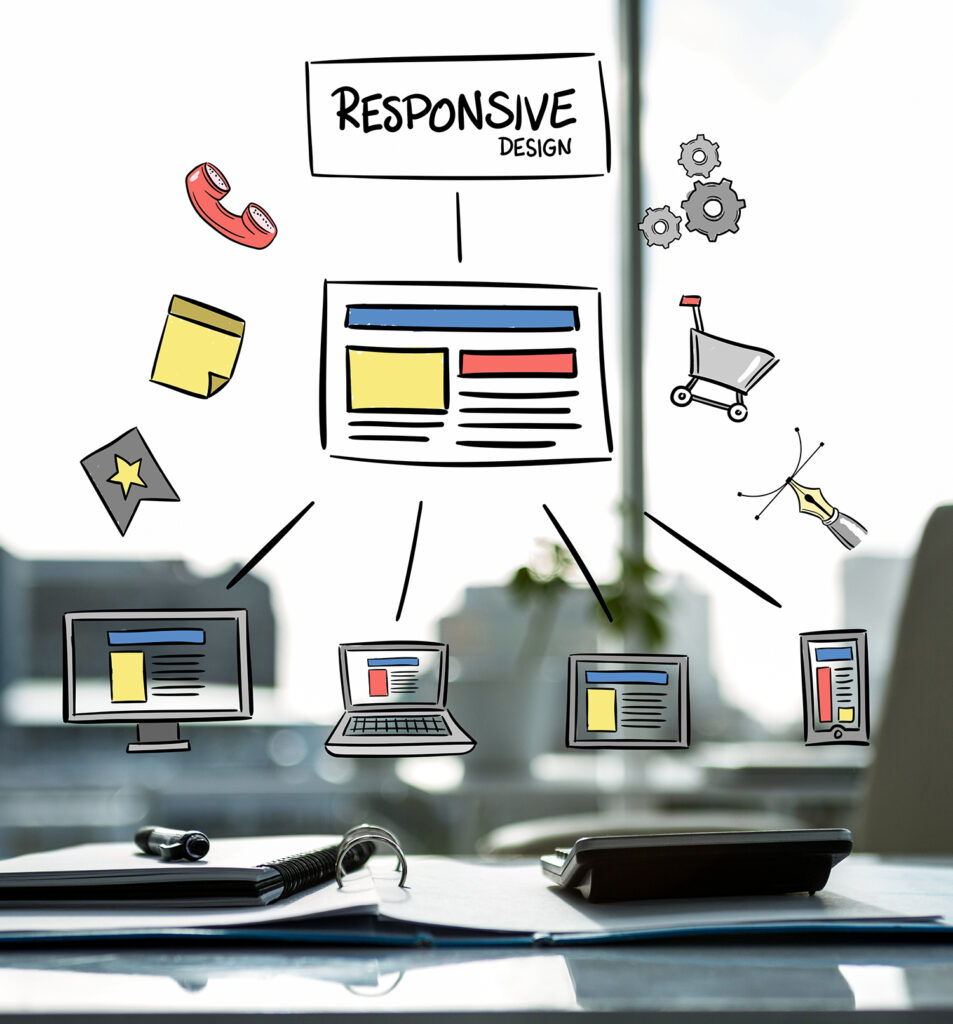
A professional build should be responsive across common devices, optimized for speed, protected with appropriate security measures, and configured with reliable form delivery. It should also have analytics in place so the business can understand which pages attract attention, where inquiries originate, and where users leave.
There are trade-offs. A highly animated interface may look impressive but add loading time and maintenance complexity. A low-cost template may shorten launch time but limit integration, content flexibility, or brand differentiation later. Custom development can provide stronger control for complex workflows, but it requires a clear scope and responsible ongoing support. The right decision is based on business requirements, not novelty.
Plan for Integrations and Ongoing Ownership
Corporate sites often need to connect with more than a contact form. Depending on the business, this may include CRM systems, email marketing tools, appointment platforms, ERP data, recruitment systems, e-commerce functions, cloud productivity tools, or WhatsApp communication workflows.
These connections should be considered early. Retrofitting them after design approval can create compromises in user experience, data handling, and project timelines. A capable agency partner will ask how leads are assigned, what data should be collected, who receives notifications, and how customer information is protected.
Maintenance is equally important. Software updates, backups, performance checks, content changes, and security monitoring are not optional extras for a business-critical website. They are part of keeping the asset dependable. For companies that prefer one accountable provider, combining web development, hosting, marketing support, and maintenance can reduce handoffs and make responsibility clearer.
Measure More Than Traffic
Traffic can be useful, but it is not the final measure of corporate website performance. A site with fewer visitors may deliver better commercial value if it produces qualified inquiries, consultation requests, applications, downloads, or sales opportunities.
Set reporting around actions that matter to the business. Review form completions, phone clicks, WhatsApp inquiries, time spent on priority service pages, campaign landing-page performance, and conversion rates by traffic source. Sales feedback should be part of the review as well. If inquiries are frequent but poorly matched, the issue may be targeting, content clarity, or the form questions being asked.
This is where web design becomes an ongoing business discipline rather than a one-time launch project. Insights from paid campaigns, SEO, customer service, and sales conversations should inform future content and conversion improvements.
A Corporate Website Should Make the Next Decision Easier
The strongest corporate websites do not attempt to say everything. They give each visitor enough relevant information to take the next confident step, whether that is contacting the team, requesting a proposal, reviewing a capability, or returning later with stakeholders.
Treat your website as the working center of your digital presence. When strategy, content, design, technology, and maintenance are aligned, it becomes easier for prospects to trust the business behind the screen and easier for your team to turn that attention into measurable opportunity.