



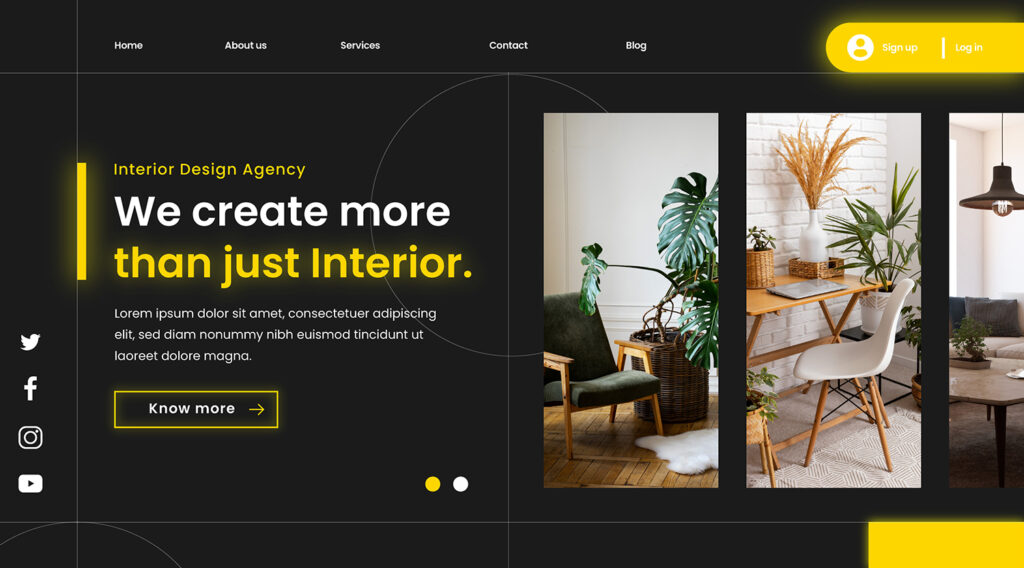
A business website loses value when visitors cannot quickly answer three commercial questions: What does this company do? Why should I trust it? What should I do next? When decision-makers ask, “what pages should business website have,” the practical answer is not to fill a menu with generic sections. It is to build a clear path from first impression to inquiry, purchase, booking, or conversation.
For startups, SMEs, and established companies, the right page structure depends on the sales model, service complexity, and customer journey. A corporate service provider needs credibility and lead-generation pages. An e-commerce business needs product, category, checkout, and policy pages. Most businesses need a focused foundation first, then supporting pages that remove objections and help visitors act with confidence.
What Pages Should a Business Website Have First?
The core pages should communicate your offer, establish legitimacy, and make contact easy. These are not optional extras. They are the operating foundation of a website designed to support business growth.
Home page
Your home page is the front door, not the complete company profile. It should immediately state who you help, what you provide, and the result customers can expect. A visitor should not need to scroll through vague slogans to understand your business.
A strong home page typically introduces your key services or products, differentiators, proof of capability, and a clear call to action. For a Malaysian or Singaporean business competing in a crowded market, trust signals such as client logos, project outcomes, certifications, testimonials, or years of experience can make the difference between an inquiry and an exit.
Avoid trying to explain every detail here. Use the home page to create clarity and direct users toward the service, product, or contact page that matches their need.
Services or products page
A services page explains what you sell in business terms. It should go beyond a list of capabilities. Prospects want to know what is included, which problem the service addresses, who it is designed for, and what engagement looks like.
If your company offers several distinct solutions, create an overview page and dedicated pages for each high-value service. For example, web design, custom web development, e-commerce development, SEO, and Google Ads often serve different search intent and involve different buyer concerns. Separate pages give each offering room to explain its value and support stronger visibility in search.
Product-based businesses should use category and individual product pages instead. Each product page needs accurate specifications, pricing or quotation guidance, availability, quality images, delivery information, and a direct purchase or inquiry option.
About page
The about page is where prospects assess whether your company is credible, stable, and aligned with their requirements. It should explain your business background, operating approach, leadership or team expertise, and the standards behind your work.
This is not the place for a long company history that says little about customer value. Frame your story around capability. Explain why clients choose you, how your team delivers projects, and what makes your business a dependable partner. If your organization holds relevant certifications, has served recognizable industries, or follows defined quality and security practices, include that evidence.
Contact page
A contact page should make starting a conversation effortless. Include the channels your customers actually use, such as a phone number, email address, inquiry form, business address, operating hours, and WhatsApp option where appropriate.
The inquiry form should collect enough information to qualify a lead without becoming a barrier. Name, company, contact details, service interest, and project requirements are often sufficient. Set expectations as well. A simple note about response time reassures prospects that their inquiry will be handled professionally.
Pages That Build Trust and Move Buyers Forward
The essential pages create a functioning website. The following pages make it more persuasive, useful, and commercially effective. Their priority depends on your business model, but they should be considered early in the planning process.
Portfolio, case studies, or project gallery
For professional services, evidence is more convincing than broad claims. A portfolio page can demonstrate visual quality, while case studies explain the commercial value behind the work.
The strongest case studies cover the client challenge, the solution delivered, the scope of work, and measurable outcomes where permitted. Numbers related to leads, traffic, conversion rates, launch timelines, or operational improvements are useful, but only when they are accurate. If client confidentiality limits disclosure, show the sector, project type, and relevant capabilities without revealing sensitive information.
Testimonials and client proof
Testimonials can appear throughout the site, but a dedicated client proof page is useful when reputation is central to the buying decision. This is particularly relevant for agencies, consultants, B2B suppliers, training providers, and companies handling long-term contracts.
Use real names, company names, roles, and specific outcomes whenever approval is available. Anonymous praise such as “great service” has limited impact. A credible testimonial explains what the client needed and why the experience mattered.
Pricing or request-a-quote page
Not every business should publish fixed pricing. Custom projects, enterprise services, and technical solutions often require discovery before a responsible quote can be given. In those cases, provide starting prices, package ranges, project factors, or a structured request-a-quote process.
For standardized products and clearly defined services, transparent pricing can reduce friction and filter unqualified inquiries. The right choice depends on how variable your delivery scope is. The goal is not always to show a number. It is to give buyers enough information to decide whether contacting you is worthwhile.
Insights, resources, or news page
An insights page supports search visibility and positions your business as knowledgeable, but it should serve a clear purpose. Publish articles that answer real customer questions, clarify service decisions, and address common risks before purchase.
A neglected blog can weaken trust, especially if the latest post is several years old. If regular publishing is not realistic, prioritize strong service pages and case studies first. Quality, relevance, and consistency matter more than posting volume.
Support, FAQ, and customer information pages
Businesses with existing customers need pages that reduce routine support requests. These might include frequently asked questions, onboarding instructions, shipping and returns information, warranty details, technical support procedures, or account access guidance.
For e-commerce, these pages are especially important because buyers expect clarity before checkout. For service businesses, a concise FAQ can address common questions about process, timelines, deliverables, payment terms, and maintenance support.
Privacy, terms, and policy pages
Legal and policy pages are less visible than sales pages, but they are necessary for professionalism and compliance. At minimum, consider a privacy policy, website terms of use, and any policies relevant to payments, returns, delivery, cookies, or personal data collection.
These pages should reflect how your business actually operates. Copying generic policy language without reviewing it can create unnecessary risk. If your website collects inquiries, newsletter registrations, payment details, or analytics data, make the relevant disclosures clear.
Organize Website Pages Around the Customer Journey
A useful navigation menu is usually short and predictable. Visitors should be able to reach the most important areas without guessing where information lives. In many business websites, Home, About, Services, Portfolio or Case Studies, Insights, and Contact are enough for the primary menu.
The structure should change when the business model changes. A restaurant may prioritize menu, reservations, location, and delivery. A manufacturer may need industry pages, technical specifications, compliance documentation, and distributor information. A software company may require features, integrations, pricing, security, support, and demo pages.
Do not create a page simply because another company has one. Every page should have a job: attract relevant traffic, explain an offer, answer an objection, provide proof, support a customer, or generate a conversion. Pages without a clear role make the site harder to maintain and dilute the visitor journey.
Build for Growth, Not Just Launch Day
A website should be planned as a business asset that can expand as your operations evolve. Start with the pages needed to sell and support your current offer, then create a structure that can accommodate new services, locations, industries, campaigns, or product lines without requiring a full rebuild.
This is where strategy, design, development, content, hosting, and maintenance need to work together. A visually polished site will still underperform if its service pages are unclear, its forms fail, its loading speed is poor, or its content cannot be updated efficiently. A dependable digital partner helps align these details with the outcomes your business needs.
The best website page plan is the one that makes it easier for a qualified customer to trust your business and take the next step. Begin with the pages that support that decision, keep the structure focused, and add depth where real customer questions demand it.