



A promising startup can lose a qualified prospect before the first sales call if its brand looks improvised. A mismatched logo, an unclear website message, or a dated proposal tells buyers that the business may not be ready for their investment. The best branding assets for startups are not decorative extras. They are practical business tools that help customers understand who you are, why they should trust you, and what action to take next.
For founders, the challenge is deciding what deserves attention first. A complete brand system can be built over time, but the early assets must support credibility, sales conversations, and digital visibility from day one.
Start With the Assets That Influence Revenue
Startups often make one of two costly mistakes. Some spend heavily on visual details before defining their market position. Others launch with only a logo and expect a website or ad campaign to carry the entire brand.
Neither approach creates a dependable foundation. Your brand assets should work as a connected system: positioning informs messaging, messaging informs website copy, and visual design makes that message recognizable across every customer touchpoint.
Before commissioning design work, establish the essentials. Define your ideal customer, the commercial problem you solve, your differentiator, and the evidence behind your promise. A logistics platform may need to lead with speed and operational control. A B2B software startup may need to lead with security, cost reduction, or easier implementation. The right direction depends on what buyers value most, not on the founder’s personal design preferences.
Brand Strategy and Positioning
Brand strategy is the operating brief behind every visible asset. It should clarify your value proposition, target segments, competitive position, brand personality, and key messages. This does not need to become a long document that sits unread in a shared folder. It needs to give your team clear answers when deciding how the company speaks, sells, and presents itself.
A useful positioning statement explains the audience, the offer, and the business result. It also identifies what makes your approach credible. Claims such as “innovative” and “customer-centric” are too broad on their own. Specific proof is stronger: industry experience, a proprietary process, faster turnaround, local support, recognized compliance, or measurable client outcomes.
For early-stage companies, positioning may evolve as the market responds. That is normal. However, changing your core message every month creates confusion internally and externally. Set a direction, test it through actual conversations and campaigns, then refine it with evidence.
Best Branding Assets for Startups: The Core Set
The following assets create the strongest practical base for most startups. Prioritize them according to your sales model, funding stage, and the expectations of your target market.
1. A Professional Logo and Visual Identity
Your logo is a recognition device, not the entire brand. It should be distinct, readable at small sizes, and adaptable across a website header, social media profile, presentation, invoice, and mobile screen. A complex logo can look impressive in a large mockup but fail where it matters most: in everyday business use.
A usable visual identity goes beyond the logo. It includes a defined color palette, typography, image direction, icon style, and basic rules for applying them. These choices create consistency when different employees, vendors, or marketing partners produce materials over time.
Avoid treating brand guidelines as a corporate luxury. Even a concise guide prevents common issues such as incorrect logo colors, inconsistent fonts, and presentations that look unrelated to the website. The goal is controlled flexibility, not design restrictions that slow down the team.
2. A Conversion-Focused Website
For many prospects, your website is the first serious test of your business. They want to confirm what you offer, who it is for, whether you are credible, and how to contact you. If they cannot find those answers quickly, a polished social media post will not compensate.
A startup website should lead with a clear value proposition and direct paths to key pages such as services or products, industries served, case studies, company information, and contact options. For businesses with a longer sales cycle, include resources that help buyers make an internal case for engaging you. For e-commerce startups, product details, trust signals, checkout clarity, and customer support information deserve greater priority.
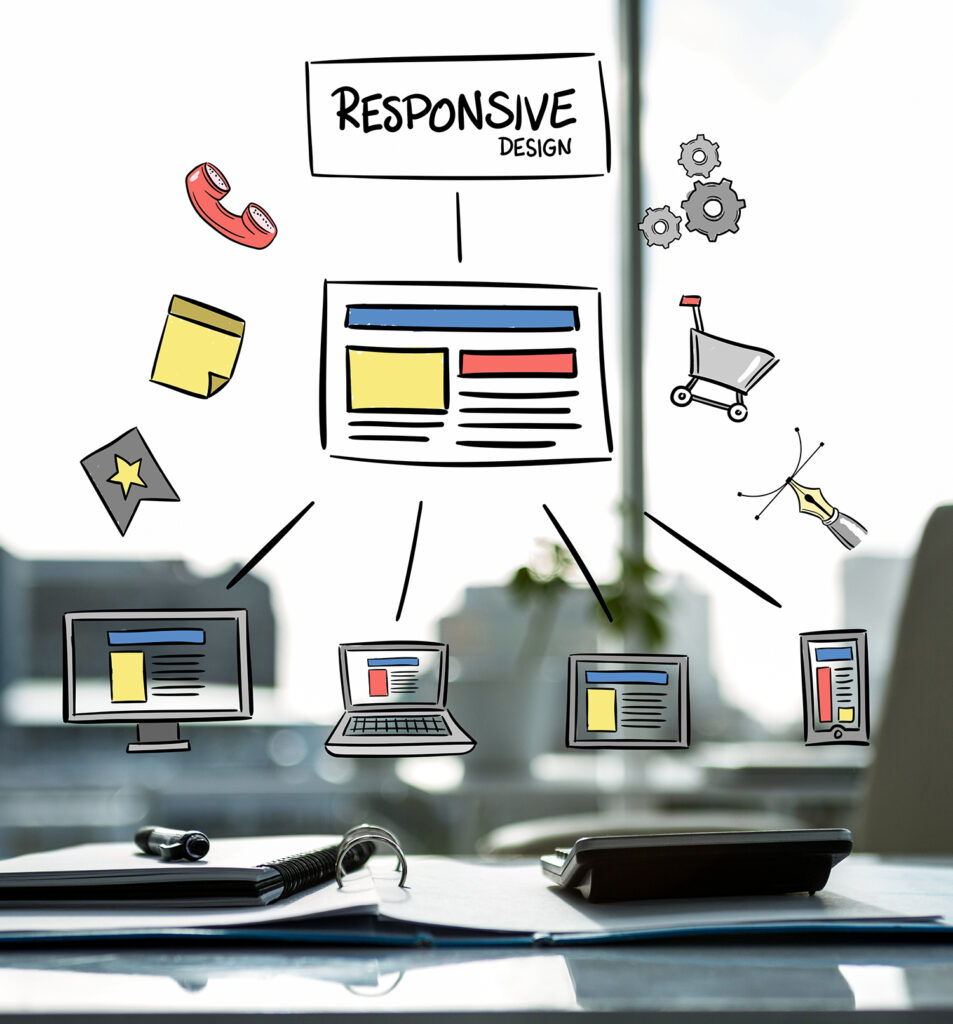
Design quality matters, but performance and structure matter just as much. Pages should load efficiently, work well on mobile devices, and support search visibility. A custom website is often the better investment when your offer, customer journey, or integration requirements are complex. A simpler launch can be appropriate when validating demand, provided it still looks credible and has a clear path for future improvement.
3. Brand Messaging and Core Copy
Many startups invest in design but leave their words to the last minute. This creates generic headlines, unclear service descriptions, and sales teams that explain the company differently in every meeting.
Core brand copy should include a concise company description, elevator pitch, homepage headline, service or product messages, key benefit statements, and approved proof points. These building blocks make it easier to produce campaign materials, sales decks, email sequences, and social content without starting from zero each time.
Good messaging does not try to say everything. It makes the most relevant promise for the intended reader. A finance manager may care about risk and cost control, while an operations lead may care about reduced manual work. The product may be the same, but the message should reflect the buyer’s priorities.
4. Sales Decks, Proposals, and Company Profiles
A sales deck is often where a startup moves from initial interest to commercial consideration. It needs more than attractive slides. It should present the problem, your solution, the business value, implementation approach, proof, pricing logic where appropriate, and the next step.
Company profiles serve a related purpose, particularly in B2B markets where procurement teams, corporate partners, and potential investors want a clear view of your business. Include your capabilities, leadership or team expertise, operational coverage, selected work, certifications if relevant, and contact details.
Templates for proposals, quotations, invoices, and presentations may seem less exciting than a new website, but they are highly visible brand assets. A consistent, professional proposal signals that your business has a reliable delivery process. It also reduces time spent rebuilding documents for every opportunity.
5. Proof Assets That Reduce Buyer Risk
Early-stage companies may not have a long client list, but they can still show evidence. Buyers are evaluating risk, especially when the startup is offering a high-value service, handling sensitive data, or asking customers to change an established process.
Useful proof assets include case studies, testimonials, product demonstrations, founder credentials, pilot results, certifications, partnerships, media mentions, and clear delivery processes. Use only claims you can support. Overstated results can damage trust faster than having limited proof.
A short case study can be particularly effective when it follows a simple structure: the client’s challenge, the work completed, and the measurable or observable outcome. If you are pre-revenue, focus on credible signals such as domain expertise, research, prototype validation, or advisory support rather than inventing scale.
Build for Consistency Across Digital Channels
Brand inconsistency usually appears when a startup grows faster than its internal processes. The website uses one message, paid advertising uses another, and sales materials introduce a third. Customers may not identify the inconsistency consciously, but they notice when the business feels fragmented.
Create a small asset library with approved logo files, brand colors, fonts, image rules, messaging statements, company descriptions, and document templates. Assign ownership so updates do not become informal edits across multiple folders. This is especially useful when working with external developers, designers, advertising specialists, or agencies.
For companies operating across Malaysia and Singapore, consistency also supports confidence across diverse customer segments and business environments. The brand should remain recognizable while allowing messaging to reflect local market needs, regulatory requirements, or language preferences where necessary.
Decide What to Invest in First
Not every startup needs every asset immediately. A funded B2B platform preparing for enterprise sales may need a strong website, security-focused messaging, an investor deck, and detailed company profile early. A consumer startup testing a new product may place greater emphasis on product packaging, landing pages, short-form creative, and customer feedback loops.
The practical priority order is usually strategy, identity, website, messaging, and sales materials. Proof assets should be collected from the beginning, even if they are initially modest. Paid campaigns and broad content production should follow once the core message and conversion path are clear.
The lowest-cost option is not always the most cost-effective. Reworking a logo, website, and sales deck after six months of inconsistent positioning can cost more than planning the essentials properly at launch. At the same time, a startup should avoid building an oversized brand system for a business model that has not yet been validated.
A capable digital partner can bring strategy, design, development, and marketing execution into one coordinated process. That reduces handoffs, protects brand consistency, and makes it easier to connect branding decisions with measurable outcomes such as qualified inquiries, sales meetings, and conversion rates.
Your brand should make the next business conversation easier. When the visual identity is professional, the message is clear, and every customer-facing asset supports the same promise, prospects spend less time questioning whether your startup is credible and more time considering the value you can deliver.