
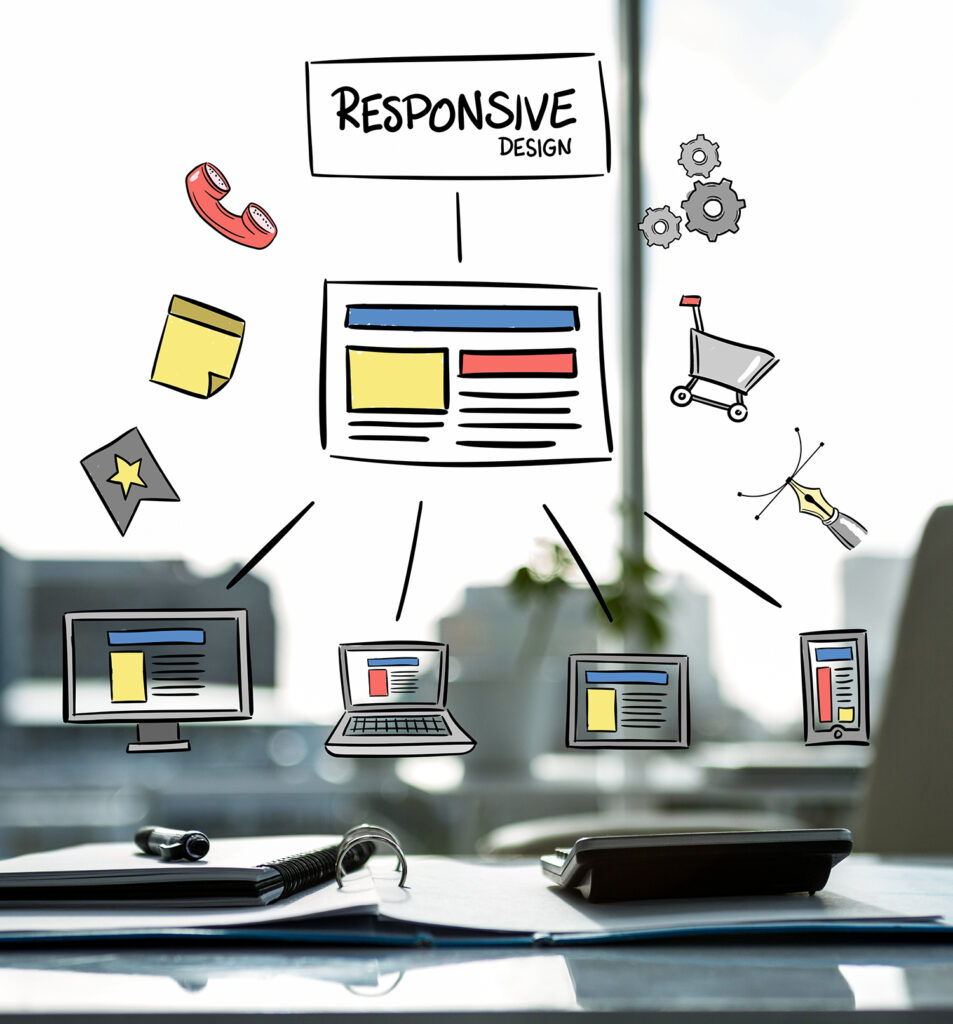



A business can spend heavily on a new website, run paid campaigns, and invest in branding – then still lose momentum because every provider is working from a different brief. The most valuable integrated digital agency benefits come from replacing that fragmented arrangement with one accountable partner that connects strategy, design, development, marketing, infrastructure, and ongoing support.
For founders, marketing managers, and corporate teams, this is not simply a matter of vendor convenience. It affects speed to market, budget control, lead quality, brand credibility, and the ability to make informed decisions when results change.
What an Integrated Digital Agency Actually Does
An integrated agency brings several connected services under one operating model. Rather than asking a web developer to build a site, a separate designer to create campaign materials, an SEO specialist to optimize pages later, and an IT provider to manage domains and email, the agency coordinates the work from the beginning.
The scope may include website design, custom development, e-commerce, UI/UX, search marketing, paid advertising, social media management, email campaigns, branding, hosting, domains, cloud productivity tools, and maintenance. Not every business needs every service. The value lies in having the relevant capabilities available within one coordinated relationship.
A strong agency should still provide specialists for each discipline. Integration does not mean one generalist attempting to do everything. It means those specialists work toward the same commercial objectives, follow shared priorities, and are accountable to a unified plan.
Integrated Digital Agency Benefits for Business Performance
The clearest benefit is alignment. A website should not be treated as a standalone design project when it is also the destination for Google Ads, the foundation of SEO, a lead capture tool, and a reflection of the company brand. Each decision affects the next.
When the same agency manages these connected areas, the website can be built around real campaign goals from the start. Landing pages can match ad messaging. Analytics can be configured before launch. SEO requirements can shape site architecture instead of becoming a costly retrofit. Brand guidelines can remain consistent from the homepage to a sales presentation or email sequence.
This integrated approach also creates a more reliable feedback loop. If paid traffic is high but conversions are low, the agency can assess the campaign targeting, landing-page content, page speed, form design, call-to-action, and tracking setup together. Separate providers often examine only their own part of the process. An integrated partner has fewer reasons to pass responsibility elsewhere.
Faster Execution Without Constant Handoffs
Every handoff between vendors introduces delay. One team waits for copy, another needs image specifications, a third needs website access, and a fourth identifies a technical limitation after a campaign has already been approved. The internal client becomes the project coordinator, even when that was never part of the role.
With an integrated agency, planning happens earlier and dependencies are easier to manage. The development team knows what marketing needs to measure. Designers understand the content requirements of the website. Hosting and maintenance support are prepared for launch rather than added after issues arise.
Speed does not mean rushing. It means avoiding preventable rework, duplicated briefings, and approval cycles caused by disconnected teams. For a product launch, site refresh, or lead-generation campaign, that difference can determine whether the business captures demand at the right time.
A More Consistent Customer Experience
Customers do not separate your business into departments. They see one brand when they search online, click an ad, visit a website, receive a follow-up email, or contact your team through WhatsApp. If those touchpoints look inconsistent or communicate different messages, confidence drops quickly.
An integrated agency can establish clear brand positioning and apply it across the digital journey. This includes visual identity, tone of voice, page layouts, campaign offers, customer forms, and post-inquiry communications. Consistency is especially valuable for growing businesses that need to appear established, as well as larger companies managing multiple products or audiences.
Brand consistency should not become rigidity. Campaigns may require different messages for different customer segments. The agency’s role is to maintain the core identity while tailoring the communication to the audience and commercial objective.
Better Use of Data and Budget
Marketing reports can create an illusion of performance when metrics are disconnected. A campaign may produce clicks, while the website produces form submissions, and the sales team tracks closed deals in a separate system. Without a joined-up view, it is difficult to know what is actually producing revenue.
An integrated agency can connect the measurement process across channels. The goal is not to report every available metric. It is to identify the numbers that guide decisions: qualified inquiries, cost per lead, conversion rate, revenue contribution, repeat purchases, or sales pipeline value.
This helps businesses allocate budget with greater discipline. If SEO content is generating qualified traffic over time, it may deserve additional investment. If a paid campaign produces inquiries but the landing page is underperforming, the first response may be to improve the page rather than increase ad spend. The best decision depends on the data, the sales cycle, and the maturity of the business.
Accountability Is a Commercial Advantage
Multiple vendors can work well when a company has a skilled internal digital leader, clear systems, and enough time to coordinate specialists. For many SMEs and lean marketing teams, however, fragmented ownership creates operational risk.
When a website slows down, a tracking tag fails, or leads decline, the business needs a clear point of contact. An integrated agency provides that accountability. It can investigate the issue across development, hosting, marketing, and user experience rather than limiting its response to a narrow service boundary.
This does not remove the need for client involvement. The agency still needs timely approvals, product knowledge, access to sales feedback, and clarity on priorities. But the client should not need to translate technical requirements between five separate providers just to keep a project moving.
Infrastructure Matters More Than Many Businesses Expect
Digital performance depends on more than visible design and advertising. Domain ownership, hosting quality, website security, backups, email configuration, cloud collaboration, and maintenance all influence reliability. A campaign can drive valuable traffic, but a slow site, broken form, or poorly configured email domain can waste the investment.
Using one partner for front-end digital work and core infrastructure can reduce these gaps. It also makes changes easier to manage. For example, a website launch may require DNS updates, email considerations, hosting migration, analytics configuration, security checks, and post-launch monitoring. Coordinating these elements under one project plan reduces the chance that a critical task is overlooked.
For organizations in Malaysia and Singapore that serve regional or international customers, dependable infrastructure also supports credibility. A professional digital presence should perform consistently regardless of where the inquiry originates.
When a Single Agency Is Not the Right Answer
Integration is valuable, but it is not automatically the best model for every organization. A large enterprise may need a specialist agency for a highly technical platform, a global media buying partner, or a niche compliance requirement. Some businesses already have strong in-house development, design, and marketing teams and only need targeted external support.
The question is whether the agency can provide genuine depth in the services it offers. A provider that promises everything but lacks process, technical capability, or reporting discipline can create more dependency without delivering better outcomes.
Before choosing a partner, assess how it manages strategy, project ownership, communication, security, reporting, and post-launch support. Ask how web development decisions inform marketing performance, who handles urgent technical issues, and how success will be measured. Clear answers reveal whether the integration is operational or merely a sales claim.
Choosing an Agency That Can Support Long-Term Growth
The right relationship begins with business objectives, not a service menu. A startup may need a credible website, branded sales materials, email setup, and lead generation support. An established company may need an e-commerce platform, ongoing optimization, and a coordinated acquisition strategy. The required mix changes over time.
A dependable partner should be able to recommend a tailored scope without forcing unnecessary services into the proposal. It should explain priorities in commercial terms, set realistic delivery expectations, and remain available after launch. SWOT supports businesses through this type of connected service model, combining digital execution with ongoing support so clients can focus on their operations and customers.
The most practical test is simple: choose an agency that can see the full path from first impression to qualified lead, customer action, and long-term digital reliability. That perspective helps turn isolated digital activities into work that supports measurable business progress.