



A website can look polished, launch on schedule, and still fail at its most important job: helping the business generate inquiries, sales, trust, or operational efficiency. That is why a search for website developer selangor should go beyond comparing visual styles and project prices. The right development partner must understand what the website needs to achieve commercially, then build the technology, user journey, and support structure to make that outcome possible.
For startups, SMEs, and established companies, a website is often the center of the digital operation. It supports marketing campaigns, represents the brand to new customers, connects with internal systems, and gives prospects a reason to act. Choosing a developer is therefore a business decision, not simply a design decision.
What a Business-Ready Website Must Deliver
A professional website needs to do more than present company information. It should make it easy for the right audience to understand the offer, assess credibility, and take a clear next step. For a service business, that may mean submitting an inquiry, scheduling a consultation, or contacting a sales representative. For an e-commerce company, it may mean searching products, completing payment, and receiving reliable order updates.
The required solution depends on the business model. A corporate website may need strong messaging, case studies, lead forms, and recruitment functionality. An e-commerce website may require inventory management, shipping rules, payment gateways, promotional tools, and customer account features. A company with internal workflows may need a custom web application that connects teams, data, and approvals in one place.
This is where generic packages can become restrictive. Template-based websites can be cost-effective for a simple launch, but they may create limitations when the business needs custom functionality, integrations, faster performance, or a more distinctive user experience. A tailored solution requires greater planning and investment, but it can reduce manual work and support long-term growth.
How to Evaluate a Website Developer in Selangor
A dependable website developer should be able to explain the work in business terms. Technical capability matters, but decision-makers also need clarity on deliverables, ownership, timelines, testing, support, and the expected role of the website after launch.
Begin With the Commercial Objective
Before reviewing proposals, define the website’s primary purpose. Is the business trying to increase qualified leads, strengthen its market position, sell online, support distributors, recruit talent, or centralize internal processes? A developer cannot recommend the right architecture without this context.
Clear goals also prevent unnecessary features. A company that needs lead generation may benefit more from sharper service pages, conversion-focused copy, and a properly configured inquiry process than from complex functions that customers will never use. On the other hand, a growing e-commerce business may need advanced product filtering and automation from the outset to avoid an expensive rebuild later.
A strong agency will ask direct questions about target customers, sales processes, existing marketing channels, competitors, operational constraints, and future expansion plans. These discussions indicate whether the proposed website is being shaped around the business or simply fitted into a standard package.
Review Relevant Work, Not Only Attractive Design
A portfolio matters, but the most useful examples are those that demonstrate similar business challenges. If your company sells to other businesses, look for work that communicates complex services clearly and guides visitors toward contact or consultation. If you operate an online store, review product discovery, checkout flow, mobile usability, and the overall buying experience.
Ask how the developer approaches user experience and content structure. A well-designed homepage is valuable, but it is only one part of the customer journey. Visitors may arrive directly on a service page from Google, a campaign landing page from an advertisement, or a product category from social media. Each entry point should provide context and a logical path forward.
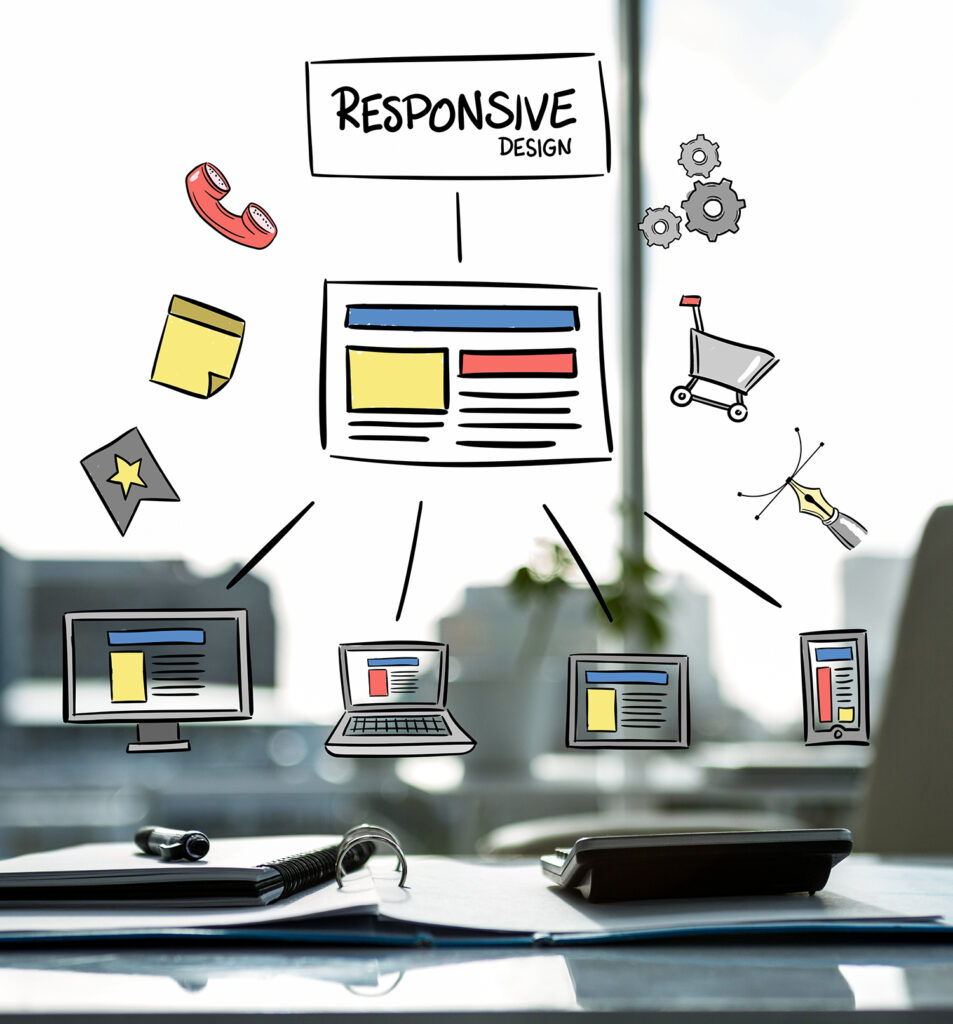
Mobile performance deserves particular attention. Many business searches, WhatsApp conversations, product comparisons, and form submissions begin on a phone. If navigation is difficult, pages load slowly, or key actions are hard to complete on a smaller screen, the website can lose opportunities before a prospect speaks with the sales team.
Confirm the Technical Foundation
The most impressive interface cannot compensate for weak development standards. Businesses should understand how the site will be built, where it will be hosted, who controls access, and what happens when updates are required.
Key questions include whether the website will use a content management system, whether authorized staff can update common content, how backups and security updates are managed, and whether analytics and conversion tracking will be configured. If third-party tools are involved, such as payment providers, customer relationship management systems, email platforms, or inventory software, confirm that integration is included in the scope.
Speed, security, and reliability are not optional technical extras. They affect user confidence, search visibility, advertising performance, and the workload placed on internal teams. Hosting, domain management, email services, and website maintenance should be considered early rather than treated as separate afterthoughts.
Clarify Scope, Ownership, and Support
Website projects often encounter problems when the scope is vague. A proposal should state what is included: number of pages, design revisions, content migration, copywriting, photography requirements, integrations, training, testing, and launch support. It should also identify what is excluded or subject to additional cost.
Ownership must be equally clear. The business should know who owns the domain, hosting account, design assets, source files, content, and platform licenses. This is particularly important when a company changes agencies, expands its in-house team, or needs urgent access to its digital assets.
Post-launch support is another major differentiator. A website requires attention after it goes live. Software updates, security monitoring, content changes, campaign landing pages, broken links, and new business requirements all need a responsible process. A low initial project price may become costly if there is no reliable support arrangement once the launch period ends.
Why an Integrated Digital Partner Can Reduce Friction
Many companies work with separate providers for web development, branding, paid advertising, SEO, hosting, email, and maintenance. This approach can work when internal teams have the time and expertise to manage every relationship. For many growing businesses, however, fragmented responsibility creates delays and weak accountability.
For example, a marketing team may need a new campaign page, tracking setup, advertising copy, and fast technical updates. When these functions sit with different vendors, simple changes can require multiple briefs, approvals, and handovers. An integrated agency can coordinate the work around one commercial objective and maintain consistency across design, development, hosting, and marketing activity.
That does not mean every service must be purchased from one supplier. Specialist support can be appropriate for highly complex software or large enterprise infrastructure. The advantage of a full-service partner is practical coordination: fewer gaps between strategy and execution, clearer responsibility, and a more complete view of how digital investments contribute to business growth.
SWOT supports this model by combining website design and development with e-commerce, digital marketing, cloud productivity services, hosting, and ongoing maintenance. For businesses that want a central point of accountability, this structure can simplify both project delivery and long-term digital operations.
Budget According to Business Risk, Not Just Page Count
Website pricing varies because the work behind two similar-looking sites can be very different. A basic informational website with a proven structure requires less planning than a platform involving custom workflows, integrations, user roles, or e-commerce automation. Content quality, UX research, branding requirements, technical testing, and ongoing support also influence cost.
Instead of focusing only on the lowest quote, assess the risk of getting the project wrong. A slow, unclear, or poorly maintained website can waste advertising budget, undermine sales conversations, and create extra manual work. The right investment should be judged against the value of stronger lead generation, better credibility, reduced administrative effort, and a platform that can grow with the business.
A staged approach can be sensible when budgets are limited. Launch the essential pages and core conversion paths first, then add advanced features based on customer behavior and business priorities. The key is to build on a foundation that will not need to be discarded when the next stage begins.
Make the Selection Process More Productive
A focused brief produces better proposals. Share the company background, audience, website goals, examples of sites you like or dislike, essential functions, target launch date, and available budget range. This gives developers enough context to recommend a solution rather than guessing at requirements.
During discussions, look for a partner that is willing to challenge assumptions constructively. A dependable developer should explain trade-offs clearly, identify risks before they become delays, and provide a practical route from planning to launch. Promises of unlimited features, immediate delivery, or guaranteed rankings without proper discovery should be treated carefully.
The right website partner should leave your business with more than a new online presence. It should provide a dependable digital foundation that helps your team communicate clearly, market confidently, and turn attention into measurable opportunities.