



A website that looks polished but fails to generate inquiries, support sales, or build trust is an expensive brochure. Selecting a web design company Malaysia businesses can depend on means looking beyond visual concepts and focusing on the commercial work the website must do.
For startup founders, SME owners, and corporate teams, the right agency should turn business requirements into a clear digital asset. That includes the customer journey, messaging, technology, performance, security, and ongoing support after launch. The objective is not simply to publish a new website. It is to create a platform that supports measurable business growth.
What a Web Design Company in Malaysia Should Deliver
A professional website project starts with a firm understanding of the business. Before design begins, an agency should ask practical questions: Who is the intended audience? What action should visitors take? Is the website meant to generate leads, accept payments, support distributors, recruit talent, or reduce service inquiries?
Those answers shape every important decision. A corporate website may need strong company credentials, service pages, case studies, and inquiry forms that reach the right team. An e-commerce site requires a different foundation, including product management, payment workflows, inventory considerations, shipping rules, and customer account functions. A company with internal processes to improve may need a custom portal or web application rather than a standard marketing site.
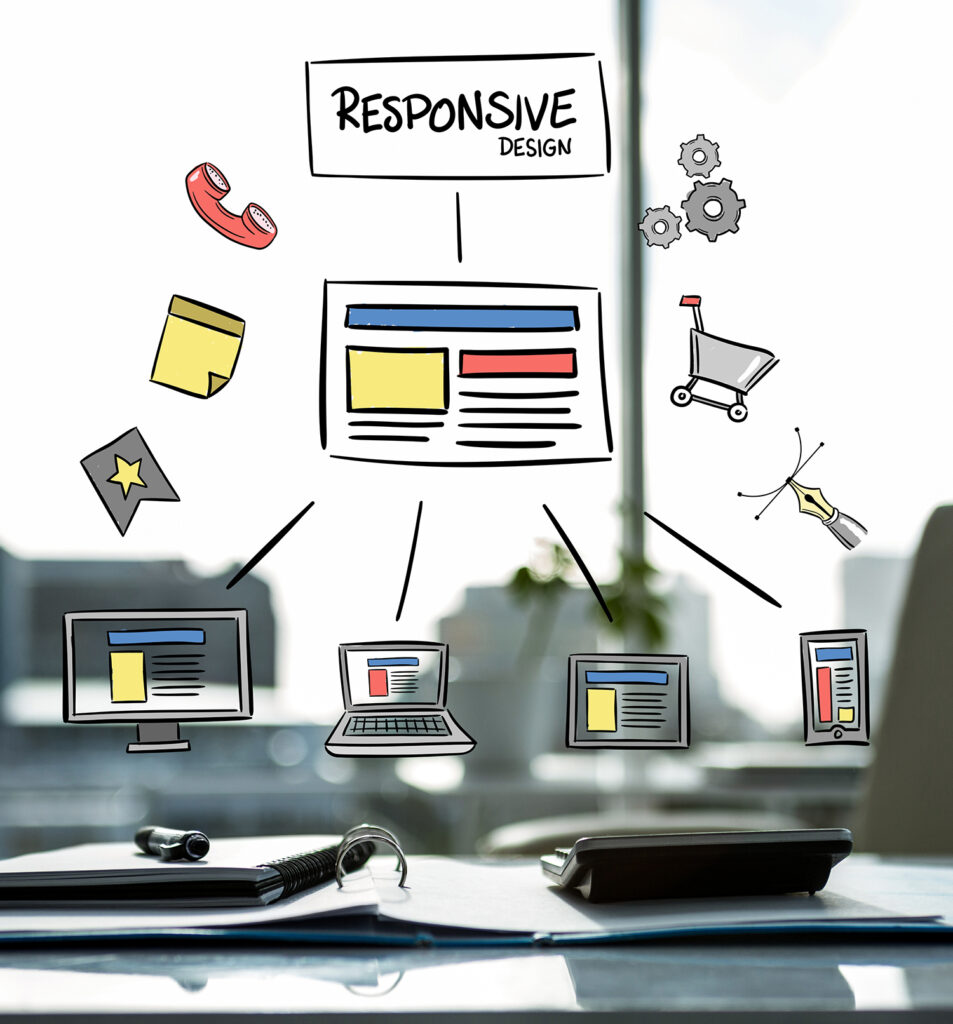
Effective web design combines several connected disciplines. UI and UX design determine whether visitors can understand the offering and complete key actions without unnecessary friction. Development ensures the website is reliable, responsive, and manageable. Copywriting gives the pages a clear commercial message. Search engine optimization provides the structure needed for visibility over time.
Treating these as separate tasks often creates gaps. A website can have attractive visuals but weak calls to action. It can be technically functional but difficult for staff to update. It can rank for traffic but fail to persuade qualified visitors. A capable agency plans the full experience rather than handing over disconnected deliverables.
Start With Business Outcomes, Not a Template
Templates can be useful for a simple launch, especially when speed and budget are limited. However, they also come with trade-offs. They may restrict layouts, add unnecessary code, create performance issues, or make a growing business look too similar to competitors.
Custom design is not automatically the right answer either. A fully custom build takes more planning, a larger investment, and clear internal decision-making. The best choice depends on the complexity of the business, required integrations, brand maturity, content needs, and growth plans.
A dependable agency should be willing to recommend the appropriate level of solution rather than pushing every client toward the most expensive option. For many SMEs, a tailored website built on a reliable content management system offers the right balance of flexibility, cost control, and future scalability. For companies with complex workflows, custom development may deliver stronger long-term value.
The brief should define success in practical terms. That may mean increasing quote requests, improving lead quality, reducing abandoned carts, helping sales teams present services more clearly, or giving marketing staff faster control over campaign landing pages. When the goals are specific, design and development decisions become easier to evaluate.
Evaluate Strategy Before Visual Style
A strong portfolio matters, but it should not be the only reason to choose an agency. Ask how the agency reached the final result. Did it begin with audience research, content planning, sitemap development, and conversion priorities? Or did it start by selecting a visual style?
Visual quality creates the first impression, but strategy determines whether visitors know what to do next. A business website should guide users toward meaningful actions such as requesting a consultation, downloading information, calling the sales team, booking a demo, or purchasing a product.
Review how an agency approaches these areas:
- Brand positioning and page messaging
- User journeys across mobile and desktop devices
- Lead capture, forms, and customer communication flows
- Search-friendly site architecture and technical foundations
- Analytics setup and performance measurement
These capabilities matter because the website does not operate alone. It sits at the center of advertising campaigns, search visibility, social media activity, email marketing, WhatsApp communications, and sales follow-up. If the site cannot support those channels, marketing spend becomes harder to justify.
Confirm the Scope Before Approving a Proposal
Two website proposals can look similar on price while covering very different work. One may include planning, content migration, mobile optimization, basic SEO setup, testing, training, and post-launch support. Another may cover only design and development, leaving critical tasks for the client to coordinate separately.
A clear proposal should state the number and type of pages, design revisions, content responsibilities, functionality, third-party integrations, timeline, testing process, and launch requirements. It should also explain what happens when the scope changes. Website projects evolve, particularly when stakeholders identify new needs during review. A transparent change process protects both sides from delays and unexpected costs.
Content is one area that deserves early attention. Many projects slow down because product details, service descriptions, photos, approvals, or legal information are not ready. Decide whether your internal team will provide the content, whether the agency will support copywriting, and who has final approval authority. Strong content is not an afterthought. It is essential to credibility, search performance, and conversion.
Do Not Separate the Website From Its Infrastructure
A website needs a stable operational foundation after it goes live. Domain registration, hosting, business email, security certificates, backups, plugin updates, and uptime monitoring are not glamorous, but they directly affect credibility and continuity.
When these services are managed by unrelated vendors, resolving a technical issue can become unnecessarily slow. A website agency may point to the host, the host may point to the domain provider, and the internal team is left coordinating the response. Working with one accountable digital partner can simplify communication and reduce operational risk.
Ask who owns the domain, hosting account, source files, and website access after launch. Ownership should be clear from the beginning. Also ask how backups are handled, what maintenance includes, how urgent issues are reported, and what response expectations apply. A low-cost build without dependable support can become costly when a website problem affects leads, transactions, or customer confidence.
For organizations using Microsoft 365, Google Workspace, or other cloud productivity tools, there is additional value in choosing a provider that understands the broader digital environment. The website, email, forms, user access, and marketing platforms should work together with proper security and accountability.
Measure What Happens After Launch
Launching a website is the beginning of the performance cycle, not the final milestone. Once real users arrive, businesses can identify which pages attract attention, where visitors leave, what devices they use, and which channels produce qualified inquiries.
The most useful metrics depend on the business model. A professional services firm may monitor consultation requests, phone calls, and lead-to-sale quality. An online store may focus on conversion rate, average order value, cart abandonment, and repeat purchase behavior. A corporate site may track recruitment applications, distributor inquiries, or downloads of technical resources.
Numbers should lead to decisions. If a service page receives traffic but produces few inquiries, the issue may be unclear positioning, weak proof points, slow load times, or an inconvenient form. If paid advertising delivers clicks but little return, the landing page may need stronger relevance to the campaign. Ongoing improvement is where a website becomes a working business asset instead of a static publication.
Choose a Partner Built for the Long Term
The best agency relationship is not defined by how quickly a homepage mockup appears. It is defined by whether the team can advise, execute, communicate, and support the business as requirements change.
A full-service partner such as SWOT can reduce the burden of coordinating separate providers for web design, development, hosting, branding, SEO, paid campaigns, and ongoing maintenance. That model is especially valuable for businesses that want clear accountability and a coordinated digital direction, rather than a collection of isolated services.
Before making a final decision, have a direct conversation about priorities, budget range, timeline, internal resources, and future plans. The right partner will set realistic expectations and recommend a tailored solution that fits the stage of your business.
Your website should make it easier for customers to trust you, contact you, and choose you. Build it with a partner prepared to support that responsibility long after launch day.