


A business website should do more than look presentable. In competitive local markets, website design in Puchong Selangor needs to support trust, inquiries, and sales from the first visit. If your site is slow, outdated, hard to use on mobile, or unclear about what you offer, it is not just a design issue. It is a business performance issue.
Puchong is home to a wide mix of businesses – established SMEs, growing service companies, retailers, manufacturers, clinics, education providers, and new startups trying to build market share quickly. In that environment, your website often becomes the first serious interaction a prospect has with your brand. Before they call, message, or visit your office, they assess your credibility online.
Why website design in Puchong Selangor matters for business growth
Many companies still treat a website as a one-time requirement. They launch it, leave it untouched for years, and expect it to keep performing. That rarely works. A modern website has to function as part of your sales and marketing operation.
For local businesses, this means your site should clearly explain what you do, show who you serve, load quickly on mobile devices, and make it easy for prospects to take action. If someone lands on your homepage from Google search, a Google Ads campaign, Facebook traffic, or a WhatsApp link, the website has to continue the conversation with clarity. If it does not, traffic gets wasted.
Good design supports business outcomes in practical ways. It improves conversion rates, reduces drop-offs, strengthens brand confidence, and gives your team a better platform for SEO, paid advertising, and ongoing content updates. It also helps you compete beyond your immediate area. A company based in Puchong can still win regional or national business if the digital presentation is strong enough.
What businesses should expect from professional website design
Professional web design is not just about colors, banners, and layout preferences. It starts with business objectives. A corporate site built to support tender credibility will be different from an e-commerce store, a lead generation landing structure, or a service-based company website focused on WhatsApp inquiries.
That is why the right approach begins with planning. Your pages should reflect how customers actually make decisions. Most visitors ask a few basic questions very quickly: What does this business offer? Can I trust them? Is this relevant to my needs? What should I do next?
A well-executed website answers those questions without making users work for the information. Navigation stays simple. Messaging is direct. Contact options are visible. Service pages are structured around user intent, not internal company jargon.
There is also a technical side that many business owners only notice when problems appear. A site may look acceptable on desktop but perform poorly on mobile. It may have design elements that slow loading times. It may be difficult to update, difficult to rank, or vulnerable because maintenance was never part of the plan. These are common issues when design is treated separately from development, hosting, and support.
The commercial elements that affect results
When evaluating website design in Puchong Selangor, business owners should focus on commercial impact, not just visual style. A strong website usually gets the fundamentals right.
Clear positioning matters first. Visitors should understand your business within seconds. If your homepage tries to say everything at once, it usually says nothing clearly. Focused messaging performs better than broad claims.
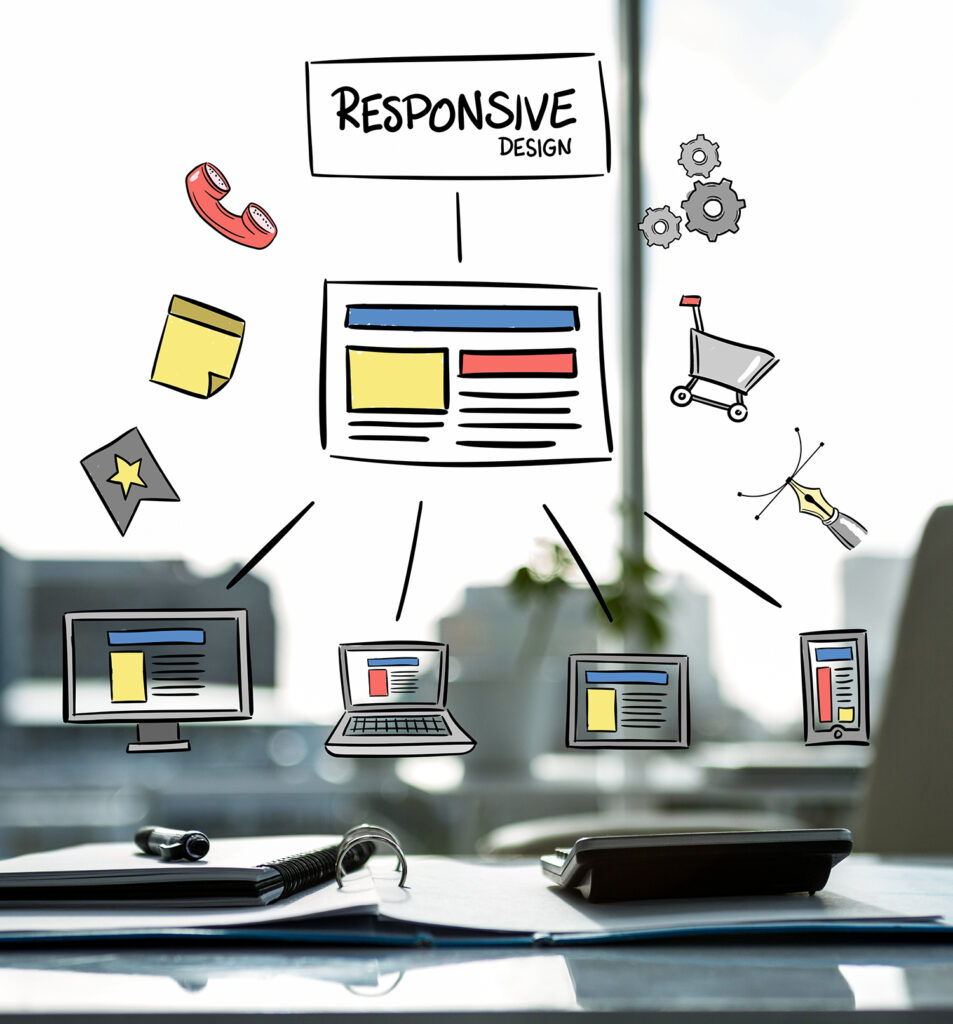
Mobile responsiveness is no longer optional. Many users will first discover your business on a phone. If forms are hard to use, text is cramped, or buttons are poorly placed, leads can disappear before your team even knows there was interest.
Page speed has direct business value. A slow site frustrates users and weakens campaign performance. This becomes even more expensive when you are paying for traffic through Google Ads or social campaigns.
Trust signals also carry weight. Real project images, service clarity, company background, certifications where relevant, and a professional contact structure all help reduce hesitation. For some businesses, case studies and testimonials are central. For others, industry-specific credibility matters more than social proof. It depends on the buying process.
Then there is conversion design. Good websites guide action naturally. That may mean inquiry forms, quote requests, product checkout flows, brochure downloads, appointment requests, or direct WhatsApp engagement. The best design choice depends on how your customers prefer to contact you.
Website design and SEO should not be separated
One of the most expensive mistakes businesses make is designing first and thinking about search visibility later. If the site structure, content hierarchy, metadata planning, and page intent are weak from the start, SEO becomes harder and more costly to fix.
That does not mean every website needs an aggressive content strategy from day one. It does mean the foundation should support discoverability. Service pages should be built around real search behavior. Site architecture should be logical. Page titles, headings, internal linking, and content structure should serve both users and search engines.
For local and regional businesses, this is especially relevant. A company targeting customers in Puchong, Selangor, or nearby markets needs pages that align with actual service demand. Design decisions should support search performance, not work against it.
Choosing between a template site and a tailored build
Some businesses only need a fast, cost-efficient launch. Others need something more customized because of workflows, integrations, user roles, or specific conversion goals. There is no single correct approach for every company.
A template-based site can be suitable for a startup that needs speed and budget control, provided the design is still professionally configured and not overloaded with unnecessary features. The problem starts when businesses choose the cheapest route, then outgrow the site almost immediately.
A tailored build makes more sense when the website has to reflect a stronger brand position, support custom functionality, integrate with business systems, or serve as a long-term marketing asset. That investment tends to pay off when the site becomes central to lead generation, e-commerce, recruitment, or customer support.
The trade-off is straightforward. Lower upfront cost often means more limitations later. Greater customization requires better planning and a higher budget, but it can reduce future rework and improve performance over time.
Why one integrated partner often works better
Website projects rarely stay limited to design alone. Once the site is live, businesses start asking for SEO improvements, ad landing pages, content updates, hosting support, email setup, analytics, security monitoring, or additional marketing assets. When these services are split across different vendors, accountability can become unclear.
That is why many companies now prefer a single agency partner that can handle strategy, design, development, infrastructure, and post-launch support together. It simplifies communication, reduces delays, and creates better continuity between the website and the rest of your digital operations.
For business owners and managers, this matters because your team should not have to coordinate five separate specialists just to update a website, run campaigns, and maintain hosting stability. A centralized approach usually leads to faster execution and better control over quality.
This is also where long-term support becomes valuable. Websites are not static assets. They require updates, monitoring, improvements, and occasional redesign decisions as your business evolves. Working with an experienced provider such as SWOT can help businesses move from one-off website delivery to a more reliable digital growth setup.
How to evaluate a website design provider in Puchong
The right agency should be able to explain how the website will support your commercial goals, not just present design mockups. Ask how they handle planning, content structure, mobile responsiveness, speed performance, SEO readiness, maintenance, and post-launch support.
Look for practical alignment. If your priority is lead generation, the conversation should include conversion paths and campaign landing experience. If your priority is brand credibility for corporate clients, the design approach should reflect trust and presentation quality. If you are selling online, product structure, checkout usability, and operational workflow should be part of the discussion early.
It is also worth asking who will manage your project after launch. A dependable partner does not disappear once the website goes live. Ongoing support often makes the difference between a site that improves over time and one that becomes outdated within a year.
The strongest website design decisions are usually not the most decorative ones. They are the ones that help your business communicate clearly, operate efficiently, and convert more of the traffic you already work hard to generate. If your website is underperforming, that gap can usually be fixed – but only when design is treated as a business tool, not just a visual exercise.