



A business website rarely fails because of colors, fonts, or layout alone. It usually fails because the wrong agency was hired for the wrong reasons. If you are looking for a website company in Puchong, the real question is not who can build pages fastest. It is who can deliver a website that supports sales, credibility, operations, and long-term growth.
That distinction matters more than many business owners expect. A low-cost brochure site may look acceptable at launch but create problems later – slow performance, weak mobile usability, limited SEO structure, poor security, no maintenance process, and no clear path for marketing integration. For startups and SMEs especially, a website is not just a design asset. It is a business tool.
What a website company in Puchong should actually deliver
A professional web partner should do more than turn your company profile into an online version of a brochure. The work should begin with business goals. Are you trying to generate leads, support a sales team, build trust with corporate buyers, sell products online, recruit staff, or reduce manual inquiries? A website built for one goal may be structured very differently from a website built for another.
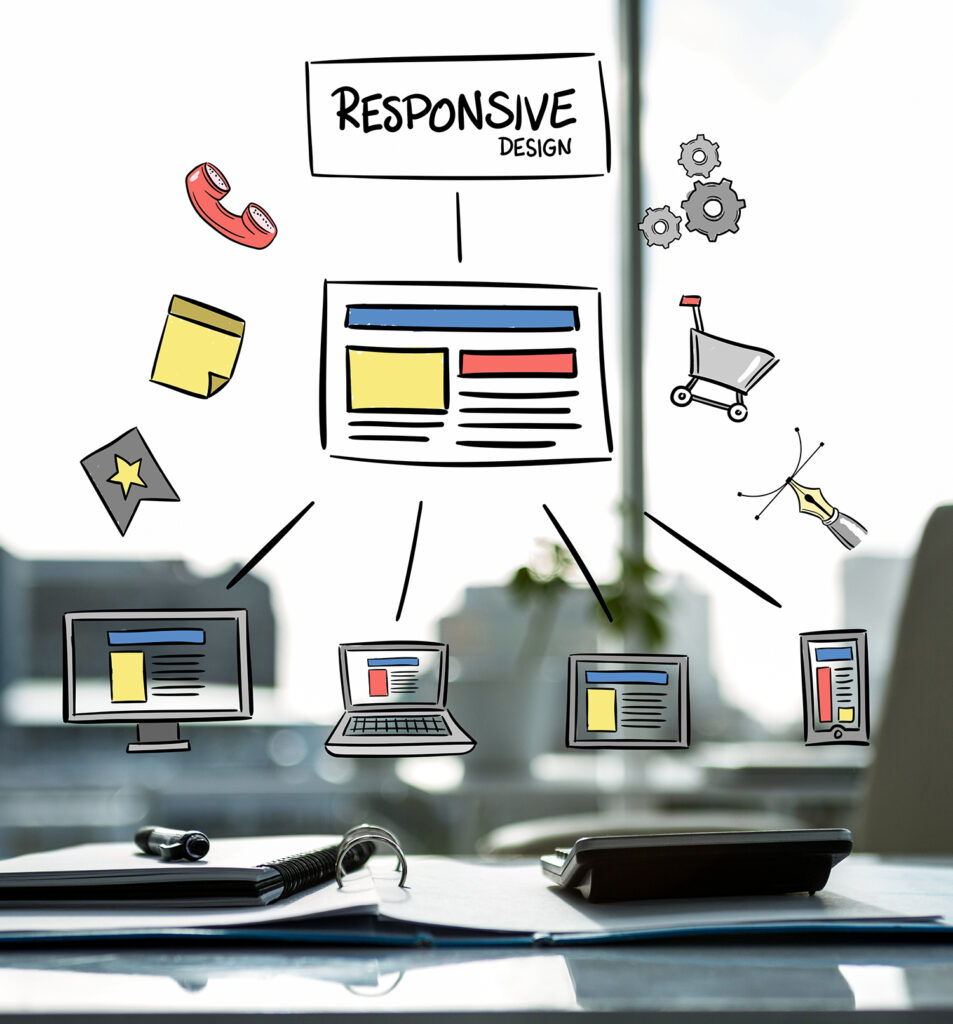
This is where many businesses make a poor decision. They compare vendors by homepage visuals or package pricing alone. Those factors matter, but they are not enough. A capable website company in Puchong should be able to explain how site structure, messaging, page speed, mobile responsiveness, SEO readiness, hosting setup, and future maintenance connect to commercial outcomes.
The strongest agencies are usually the ones that can translate business intent into execution. That means understanding your market, planning user journeys, building with the right technology, and preparing the website for traffic, conversion, and ongoing updates.
Start with business fit, not just design fit
It is easy to be impressed by a portfolio. It is harder, and more useful, to ask whether the agency has experience serving companies with needs similar to yours. A startup launching its first website has different priorities from a manufacturer needing product catalog management, and both are different from a corporate team requiring approval workflows, multilingual content, or integration with internal tools.
A good agency should ask practical questions early. What is the purpose of the website? Who needs to use it? What internal resources do you have? Will your team need content support, branding help, hosting, email setup, or digital marketing after launch? If those questions never come up, you may be speaking to a vendor focused only on delivery, not outcomes.
Business fit also affects project efficiency. When one provider can handle design, development, hosting, maintenance, and marketing support, the process tends to be more controlled. Timelines are easier to manage, accountability is clearer, and post-launch issues are less likely to be passed between unrelated vendors.
What to look for beyond the proposal
Most proposals promise a modern website, responsive design, and user-friendly experience. Those are baseline expectations, not strong differentiators. The better test is whether the agency can define scope clearly and discuss trade-offs honestly.
For example, a custom website offers flexibility and better alignment with specific workflows, but it may require a higher budget and longer timeline. A template-based approach can work for smaller businesses that need a faster launch, but it may create limitations later if the company wants more advanced functionality. Neither route is automatically right or wrong. It depends on business stage, budget, and growth plans.
The same applies to e-commerce. Some companies need a simple product catalog with inquiry forms. Others need inventory syncing, payment integration, customer accounts, promotional rules, and fulfillment support. If an agency treats every e-commerce build as the same, there is a good chance the final solution will either be oversized and expensive or too limited to support actual operations.
A dependable partner should also be clear about what happens after launch. Many websites decline because no one owns updates, backups, security checks, performance monitoring, or content changes. Ongoing support is not an extra detail. For many businesses, it is part of the real cost of ownership.
Questions that reveal capability quickly
The most useful agency conversations are rarely about design trends. They are about process, responsibility, and measurable outcomes. Ask how the project will be planned, who will manage communication, what content support is available, how revisions are handled, and what is included in testing.
You should also ask how the website will support visibility after launch. A well-built site should not block future SEO work. It should have sensible page structure, proper metadata controls, mobile-friendly layouts, optimized loading behavior, and content areas that can be expanded as the business grows. If you plan to run Google Ads, social campaigns, or email marketing, the website should also be built to support tracking and lead capture properly.
For this reason, many businesses prefer a partner that can support both development and marketing. The website should not exist in isolation. It should be part of a broader digital system that includes search visibility, paid traffic, remarketing, lead handling, brand consistency, and business communications.
Why local context still matters in Puchong
A local agency is not automatically better, but proximity can improve coordination. For businesses in Puchong, working with a nearby team may make initial discussions easier, especially when projects involve internal stakeholders, product demonstrations, or ongoing service relationships. Local market familiarity can also help with messaging, business norms, and practical expectations around service delivery.
That said, location alone should not decide the shortlist. What matters more is whether the agency can respond reliably, provide structured project management, and support your business after the website goes live. A nearby vendor with weak execution is still a weak choice. A capable local partner, however, can offer the advantage of accessibility without sacrificing standards.
The value of choosing one integrated digital partner
Many companies begin with one provider for the website, another for hosting, another for email, and someone else for SEO or ad campaigns. This arrangement can work, but it often creates operational friction. When problems happen, responsibility becomes unclear. One vendor blames hosting, another blames development, and the client is left coordinating technical decisions they did not want to manage in the first place.
An integrated provider can reduce that complexity. When strategy, design, development, hosting, maintenance, branding, and marketing support are handled under one relationship, there is usually better continuity from planning to execution. That does not mean every business must buy every service from one company. It means there is practical value in choosing a partner that can support more than the build itself.
This is especially relevant for businesses that want to move quickly after launch. A site may need landing pages, SEO improvements, Google Ads setup, branded content, company profile design, or cloud business tools. If those services are available through the same agency, the website becomes easier to grow as a commercial asset rather than remaining a static project.
Price matters, but cheap mistakes cost more
Budget is always part of the decision, and it should be. A responsible agency should be able to propose a solution that matches business priorities instead of pushing unnecessary complexity. Competitive pricing is valuable when it is tied to clear scope, reliable delivery, and usable results.
Problems start when price becomes the only filter. Very low-cost websites often hide trade-offs in planning, content support, responsiveness, technical quality, or post-launch service. The result may be a second project within a year because the first website cannot support SEO, campaigns, updates, or changing business requirements.
A better approach is to assess value. What are you getting in strategy, design quality, content structure, functionality, hosting reliability, support, and future flexibility? The right website should reduce friction for your business, not create another system that needs replacing once growth begins.
For companies that want a dependable execution partner, this is where an agency such as SWOT stands out. A provider with capabilities across web development, digital marketing, branding, hosting, cloud services, and long-term support can help businesses consolidate effort and move with greater control.
Choosing with the next 12 months in mind
The best website decision is rarely about what your business needs this week. It is about what your business will need once traffic grows, campaigns start, teams expand, and customer expectations rise. A good agency should be able to support that next stage, not just deliver a launch date.
If you are evaluating a website company in Puchong, look for commercial understanding, technical competence, responsive support, and a service model built for continuity. The right partner will not just ask what pages you want. They will ask what your business needs the website to do, and then build around that answer.
A strong website should give your business room to sell better, communicate clearly, and operate with more confidence. That is the standard worth choosing for.