



A website is often the first place a prospect decides whether a business looks established, trustworthy, and ready to serve them. Choosing a website developer in Malaysia is therefore not simply a design decision. It is a commercial decision that affects lead generation, sales operations, brand credibility, customer service, and the ability to scale.
For startup founders, SME owners, and corporate teams, the challenge is not finding someone who can produce web pages. The challenge is finding a partner that can translate business goals into a dependable digital asset. A polished homepage has limited value if the site is slow, difficult to update, invisible in search, or disconnected from the systems your team uses every day.
What a Website Developer in Malaysia Should Deliver
The right development partner begins with business requirements, not a ready-made template. A professional corporate website, an e-commerce store, a booking platform, and a customer portal may all look simple to a visitor, but their technical and operational requirements are very different.
Your developer should clarify what the website must achieve. For some businesses, the priority is qualified inquiries through contact forms, WhatsApp, and landing pages. For others, it is online transactions, product management, customer accounts, integrations with internal systems, or a clear corporate presence for investors and procurement teams.
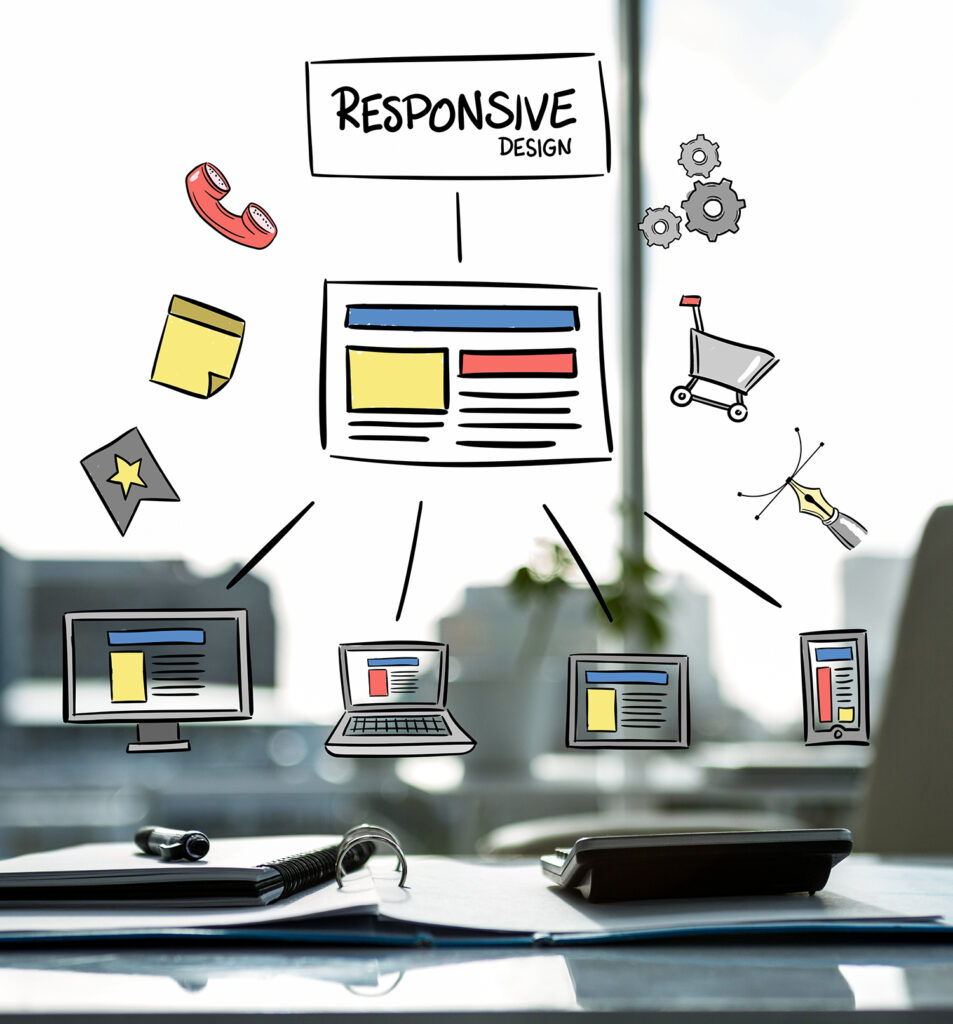
Design matters because it communicates the quality of your business in seconds. However, design must work alongside user experience, mobile responsiveness, page speed, security, and clear conversion paths. A visitor should be able to understand what you offer, why it matters, and what action to take without searching through cluttered pages.
A capable developer also considers what happens behind the screen. This includes content management access, hosting configuration, domain ownership, data backups, form security, email delivery, and ongoing maintenance. These details may not appear in a visual mockup, but they determine whether the website remains useful after launch.
Start With the Business Problem, Not the Feature List
Many website projects lose direction because they begin with requests for sliders, animations, or a competitor-inspired layout. Those items can be discussed later. First, define the commercial problem the website needs to solve.
A manufacturing company may need to build credibility with overseas buyers and make product information easier to access. A service business may need location-based visibility and a faster way to qualify leads. A retailer may need to reduce manual order handling through an e-commerce platform. A growing company may require a recruitment section, investor information, and a more consistent corporate brand.
This clarity helps a developer recommend the appropriate scope. It also prevents unnecessary spending. A custom-built web application can be the right investment when your operation needs specialized workflows or integrations. It is not always the right answer for a business that needs a well-structured marketing website with reliable lead capture.
The best solution depends on the complexity of your processes, your growth plans, internal resources, and budget. Good advice includes saying no to features that add cost without producing a meaningful operational or commercial benefit.
Assess Strategy, Design, and Technical Capability Together
Some providers are strong at visual design but depend on outside teams for development. Others can code effectively but offer limited guidance on branding, content, or conversion. There is nothing inherently wrong with a specialist, provided your business has the resources to coordinate multiple vendors.
For many companies, a single accountable partner is more efficient. When strategy, UI/UX design, development, hosting, marketing, and support are coordinated, decisions can be made faster and accountability is clearer. The website can also be planned with search visibility, advertising campaigns, email marketing, and future landing pages in mind rather than treated as an isolated project.
During early discussions, look for evidence that the provider asks practical questions. They should want to know your target customers, service areas, sales process, existing technology, key competitors, approval process, and expected outcomes. A developer that immediately quotes a price without understanding these factors may be pricing a generic deliverable rather than a tailored solution.
Ask to see relevant work, but look beyond appearance. Review whether the examples are easy to navigate, clear on mobile devices, and built around a business purpose. If possible, ask how the agency handled content structure, lead generation, security, integrations, or post-launch improvements.
Set a Scope That Protects Your Investment
A clear proposal protects both sides of the project. It should state the number and type of pages, design process, development platform, content responsibilities, revisions, features, testing, launch process, timeline, and payment milestones. It should also explain what is outside the initial scope.
Ambiguity is a common source of delays. For example, does the quoted project include copywriting, product uploads, photography, translations, SEO setup, email configuration, or third-party software fees? Is the business providing final content and approvals on time? These questions should be addressed before development begins.
You should also confirm ownership. Your company should retain access to the domain, website files, content, and relevant accounts. A dependable agency can manage these assets on your behalf while ensuring the business is not left without access if staff or suppliers change.
For custom development, ask how change requests will be handled. Business needs can evolve during a project, especially when stakeholders see the system taking shape. A transparent change process allows necessary improvements without confusing them with the original agreed scope.
Budget for the Website Beyond Launch Day
The lowest proposal is rarely the lowest-cost option over time. A cheap build may rely on poorly maintained plugins, limited security controls, weak mobile performance, or an inflexible structure that requires rebuilding when the business grows. Conversely, paying for highly customized functionality before it is needed can tie up budget that would be better used for marketing, content, or customer acquisition.
A sensible budget considers the total operating picture: development, domain registration, hosting, business email, licenses, maintenance, security monitoring, backups, content updates, and digital marketing. Not every business needs every service from the same provider, but coordinating these essentials through one team can reduce gaps and avoid the familiar problem of vendors blaming one another when something fails.
Maintenance deserves particular attention. Platforms, plugins, browsers, and security risks change continuously. A website should be reviewed, updated, backed up, and monitored after launch. Businesses that depend on online leads or transactions should treat maintenance as part of normal operations, not an optional expense.
Questions to Ask Before Appointing a Developer
Before you make a decision, ask direct questions that reveal how the agency works:
- What business outcomes will shape the website structure and user journey?
- Which platform and hosting environment do you recommend, and why?
- What is included in testing, launch, training, and post-launch support?
- How will the website support SEO, paid campaigns, and lead tracking?
- Who owns the domain, hosting account, source files, and content?
The answers should be specific and commercially sensible. Be cautious when a provider promises guaranteed search rankings, an unrealistic launch date, or unlimited functionality for a fixed low price. Website work involves dependencies such as content readiness, stakeholder feedback, external platforms, and technical complexity. A reliable partner will set expectations clearly rather than making promises that cannot be sustained.
Plan for Performance After the Website Goes Live
Launching a website is the beginning of measurement, not the end of the project. Track meaningful actions such as form submissions, calls, WhatsApp inquiries, product purchases, quote requests, newsletter sign-ups, and traffic to key service pages. These indicators show whether the site is contributing to business development.
Performance data should guide improvements. If a high-traffic page does not generate inquiries, the issue may be messaging, page speed, unclear calls to action, or an offer that needs stronger proof. If paid advertising attracts visitors but few conversions, the landing page may need to better match the campaign message. Small refinements can produce significant gains when they are based on real user behavior.
This is where an integrated agency relationship becomes valuable. SWOT can support the full digital path, from branding and website development to hosting, SEO, Google Ads, email marketing, and ongoing maintenance. That approach gives businesses one accountable team focused on turning digital activity into measurable commercial results.
Choose a partner that treats your website as working business infrastructure. With the right strategy, clear scope, reliable support, and a commitment to improvement, your website can keep earning trust and creating opportunities long after launch.