


A website package should do more than give your business a new homepage. For Malaysian companies, the right website packages in Malaysia should create a credible digital presence, support sales activity, simplify customer enquiries, and remain dependable after launch. The problem is that packages with similar price labels can include very different levels of design quality, functionality, security, and ongoing support.
For a startup, an affordable site that establishes trust quickly may be the priority. For an SME with an active sales team, the website may need lead forms, WhatsApp integration, landing pages, and a content structure built for search visibility. Corporate stakeholders may need stronger governance, custom integrations, multilingual content, and a support partner that can manage change requests professionally. The best choice depends on the commercial role your website needs to play.
What a Business Website Package Should Include
A well-structured package starts with the business objective, not a preset number of pages. A company profile site, a lead-generation platform, and an e-commerce store require different planning, technology, and post-launch support.
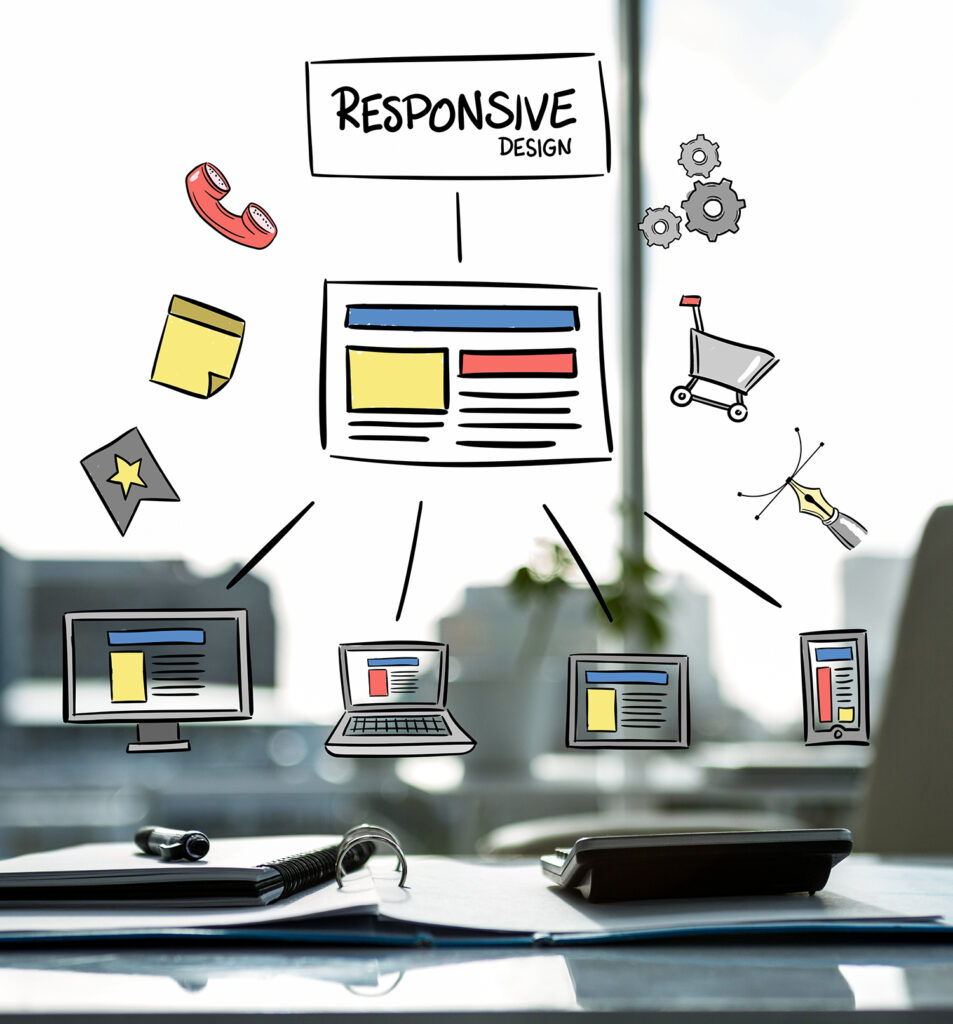
At a minimum, a professional package should cover strategy, UI/UX design, responsive development, and a clear content framework. Responsive development matters because customers will assess your company from mobile devices as often as from desktops. A site that looks polished on a large screen but is difficult to use on a phone can quietly reduce enquiries and weaken confidence in the brand.
The package should also specify practical foundations such as a content management system, contact or enquiry forms, basic technical SEO setup, security configuration, performance considerations, and deployment. Domain, hosting, business email, and maintenance may be included or quoted separately. There is no single correct model, but the scope should be transparent before work begins.
Design Is Not the Same as a Template
Templates can be a sensible starting point for businesses with a limited budget and straightforward requirements. They can reduce production time and make it possible to launch a clean, functional website without investing in extensive custom design.
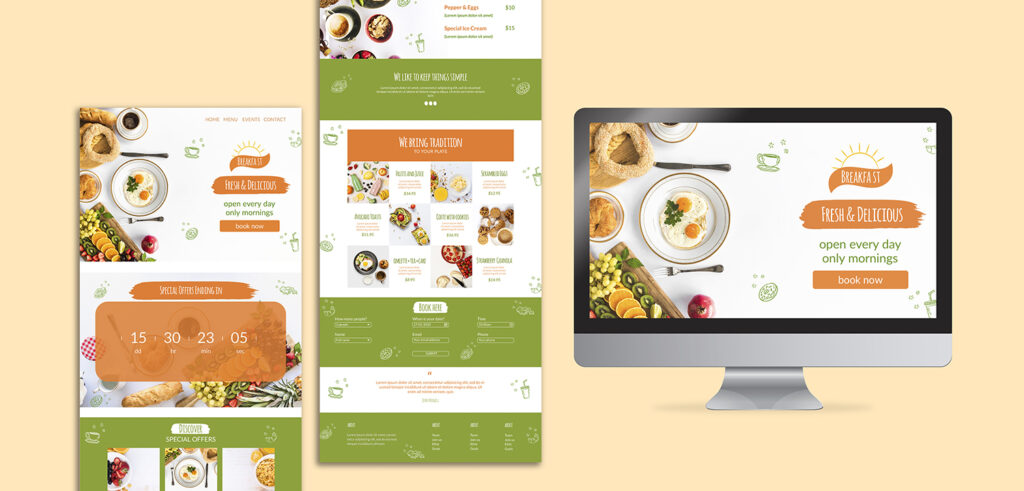
However, a template-led build has limits. It may not reflect your positioning, accommodate unusual content needs, or support future functionality without compromise. If your business competes in a crowded market, a custom UI/UX approach can help communicate why prospects should choose you. It also gives your team more control over user journeys, content hierarchy, calls to action, and conversion points.
The question is not whether custom work is always better. It is whether a standard template can support your current priorities and expected growth over the next one to three years.
Comparing Website Packages in Malaysia
When comparing quotes, avoid focusing only on page count. Ten pages of copied content placed into a basic theme are not equal to ten strategically planned pages with original copy, optimized structure, conversion paths, and tailored visual design.
A useful comparison looks at the work behind the final site. Ask how discovery is handled, whether wireframes or design mockups are provided, how many revision rounds are included, and who is responsible for preparing website copy and images. These details affect both project quality and delivery timelines.
You should also clarify what happens after the website goes live. Some providers hand over login credentials once the site is published. Others provide maintenance, backups, security monitoring, content updates, and technical support under a monthly or annual arrangement. For many businesses, post-launch support is where the long-term value of an agency relationship becomes clear.
A package with a lower initial fee can become more expensive if every small change requires a new quotation or if the website is not maintained properly. On the other hand, an extensive maintenance plan is unnecessary for a simple brochure site that changes only a few times a year. The right level of support should match the pace of your business.
Common Package Types and Their Best Use
A starter company profile package is generally suited to new companies, professional services firms, and businesses that need a credible online foundation. It usually includes key pages such as Home, About, Services, Contact, and selected supporting content. Its job is to make the business easy to understand and easy to contact.
A growth-focused corporate website package is better suited to SMEs that depend on consistent enquiries or want to build stronger organic visibility. It may include service landing pages, case studies, blog capability, lead capture forms, tracking setup, and a more deliberate content structure. This is often the right direction when the website must support marketing campaigns rather than simply validate that the company exists.
An e-commerce package requires more technical planning. Product catalog organization, payment gateways, delivery rules, stock management, customer notifications, and order administration all affect the scope. A low-cost store can be appropriate for a limited product range, but businesses with complex operations should avoid forcing advanced requirements into a basic package.
Custom web development is appropriate when standard website functions are not enough. Examples include quotation systems, membership portals, booking engines, dealer platforms, system integrations, or internal dashboards. These projects should be scoped around workflows and outcomes rather than treated as an upgraded website template.
What Drives the Cost of a Website
Website pricing is influenced by the effort required to plan, create, test, and support the final product. Custom design, complex functionality, multiple languages, e-commerce requirements, professional copywriting, photography direction, and third-party integrations will increase the investment because they require specialized work.
Content is often underestimated. A website can have excellent design and development but still underperform if its messaging is generic, unclear, or written without the customer journey in mind. Decision-makers should determine early whether their internal team can provide finalized copy, product information, and brand assets. If not, content support should be included in the scope.
Timing is another cost factor. A rushed launch can be necessary for an event, campaign, or new business opening, but compressed schedules require faster approvals, coordinated content delivery, and dedicated production capacity. A realistic timeline typically leads to better decisions and fewer costly revisions.
Questions to Ask Before You Sign
Before selecting a provider, ask for a written scope that explains what is included and excluded. Confirm the number of pages or templates, the design process, content responsibilities, revision limits, expected timeline, and payment milestones. You should know whether the domain and hosting will be registered under your business, what platform the site will use, and what access your team will receive after launch.
It is also wise to ask about website ownership, maintenance response times, backup arrangements, security updates, and future expansion. If you plan to run Google Ads, SEO campaigns, email marketing, or WhatsApp broadcasts, confirm that the website can support tracking, landing pages, and lead management from the start.
An agency that can coordinate web development, hosting, marketing, and support can reduce the operational burden of managing several vendors. SWOT works with businesses that need this integrated approach, aligning website execution with the wider digital systems that support visibility, enquiries, and day-to-day operations.
Choose the Package Around Your Next Business Move
A website is rarely finished in the strategic sense. Your services may expand, your sales process may change, or your marketing team may need campaign pages that were not part of the original brief. Choose a package that meets the immediate need without restricting sensible progress later.
The strongest decision is not always the cheapest package or the most feature-heavy proposal. It is the one that gives your business a professional platform, clear ownership, reliable support, and room to act on the opportunities you expect next.