



A business website is often the first sales conversation a prospect has with your company. If the site looks dated, loads slowly, makes services difficult to understand, or gives visitors no clear next step, that conversation can end before your team receives an inquiry. Choosing the right website designer Malaysia businesses can depend on is therefore a commercial decision, not simply a creative one.
For startups, SMEs, and established companies, the objective is not to have a website that merely looks presentable. The objective is to create a reliable digital asset that communicates credibility, supports marketing activity, generates leads, and remains manageable as the business grows.
Start With the Business Outcome, Not the Design Style
Many website projects begin with a request for a modern layout, a new color direction, or pages that resemble a competitor's site. These preferences matter, but they should follow a clear business objective. A professional website designer should first understand what the website needs to achieve.
For one company, the priority may be qualified leads through an inquiry form, WhatsApp, or phone calls. For another, it may be e-commerce revenue, recruitment, distributor applications, appointment bookings, or clearer communication for corporate stakeholders. A manufacturer may need a structured product catalog and downloadable specifications. A service business may need strong service pages, case studies, and conversion points that make it easy for buyers to take action.
The right approach depends on your sales cycle. A low-cost consumer product can benefit from direct checkout and promotional landing pages. A high-value B2B service often requires stronger credibility content, clear industry positioning, and a pathway for prospects to request a consultation. Design decisions should support that journey rather than distract from it.
What a Website Designer in Malaysia Should Deliver
A capable provider does more than produce visual mockups. The work should connect brand presentation, user experience, technical performance, and commercial goals into one coordinated build.
Strategy and Content Structure
Before design begins, the agency should help define the site map, priority pages, target audiences, conversion actions, and content requirements. This reduces costly changes later in the project and prevents a common problem: a polished homepage with weak internal pages that do not answer customer questions.
Ask how the provider plans to organize your services, products, company information, and calls to action. Good structure helps visitors find what they need quickly and gives search engines a clearer understanding of your business.
UI/UX Designed for Real Buyers
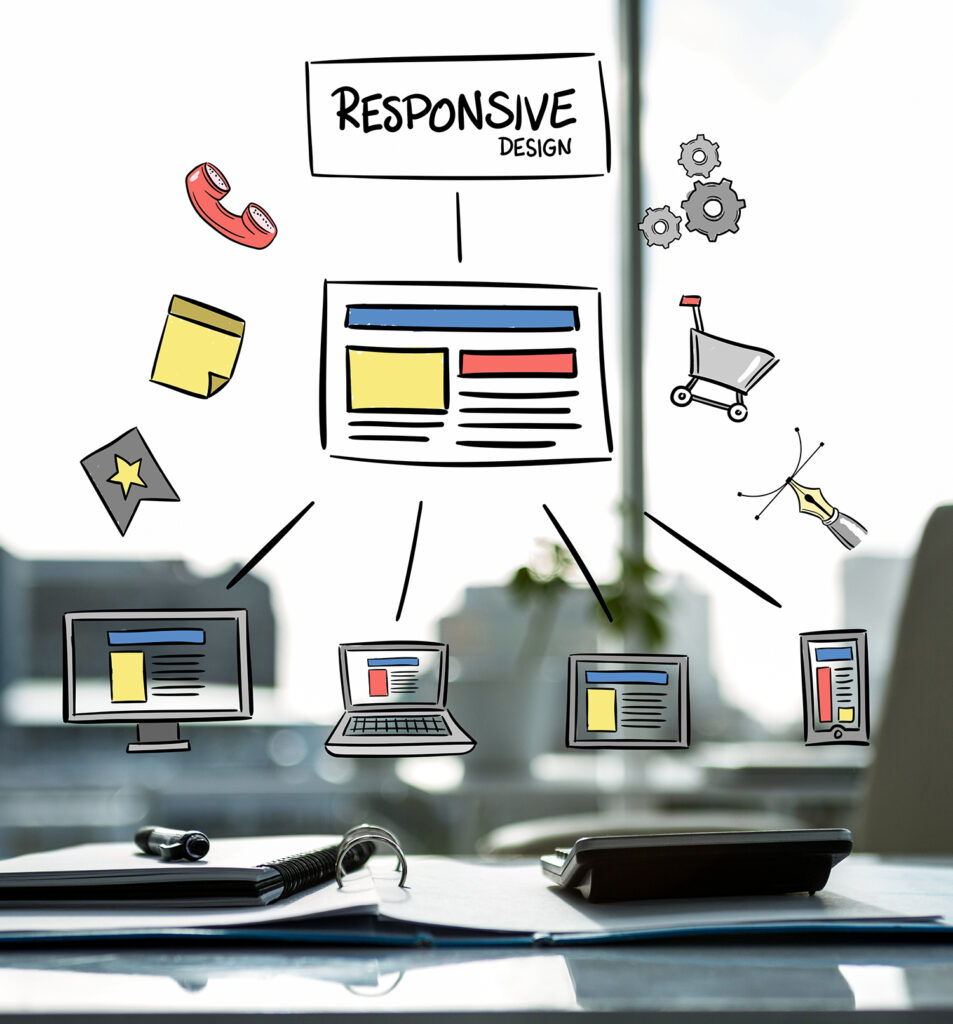
Professional UI/UX is not decoration. It is the discipline of making a website easy to understand and use across desktops, tablets, and mobile devices. Navigation should be logical. Forms should request only necessary information. Contact options should be visible without overwhelming the page. Text, buttons, and visual hierarchy should guide visitors toward the next useful action.
A design can be visually impressive yet perform poorly if it prioritizes effects over clarity. Conversely, a very plain site may feel credible but fail to differentiate the business. The strongest result balances brand character with ease of use.
Development That Supports Performance and Security
Website design and website development are closely connected, but they are not identical. The design defines the experience; development makes it function reliably. Your provider should be able to explain the platform, technical scope, content management process, integrations, hosting requirements, and security measures in practical terms.
For example, a corporate website may require a flexible content management system so internal staff can update news, projects, or service pages. An online store may need payment gateway integration, inventory handling, order notifications, and customer data protection. A custom web application may need user roles, dashboards, API connections, and a more detailed development process.
Do not assume every project needs a fully custom platform. Custom development offers flexibility where standard tools cannot meet a business requirement, but it can increase budget, testing time, and maintenance needs. A proven platform with tailored design and carefully selected functions is often the better investment for many SMEs.
Review Capability, Not Just the Homepage Portfolio
A portfolio is useful, but it should be reviewed with more care than a quick visual scan. Look for relevant experience in your industry or in projects with similar complexity. Check whether the sites are responsive, easy to navigate, and built around distinct business goals rather than repeated templates.
More importantly, ask what the agency was responsible for. Did it provide strategy, copywriting, UI/UX, web development, hosting, SEO setup, and post-launch support? Or did it only supply a design concept? A good-looking website can conceal weak technical implementation, poor loading performance, or a difficult back-end experience.
You should also ask for a clear explanation of project delivery. Reliable agencies define the discovery process, content responsibilities, design approval stages, development timeline, testing procedure, launch plan, and revision scope. This level of clarity protects both parties from assumptions that cause delays.
Compare Scope and Long-Term Value, Not Only Quoted Price
Website pricing in Malaysia varies widely because projects vary widely. A basic informational site, a corporate website with bilingual content, a high-volume e-commerce store, and a custom portal should not be priced or evaluated in the same way.
The lowest quotation can become expensive when essential items are excluded. Common gaps include copywriting, mobile optimization, image sourcing, SEO foundations, analytics configuration, form notifications, training, hosting, security certificates, migration, and ongoing maintenance. A higher initial investment may be more cost-effective if it includes the work required to launch properly and maintain the site with confidence.
Request a proposal that separates core deliverables from optional services. You should know the number and type of pages, design rounds, development functions, content responsibilities, third-party costs, project timeline, payment terms, and support period after launch. If a feature is important to your business, ensure it appears in writing rather than assuming it is included.
Ask Who Will Support the Website After Launch
A website is not finished when it goes live. Software updates, security monitoring, backups, content changes, performance reviews, and technical troubleshooting are part of responsible ownership. This is especially relevant for businesses that rely on their website for inquiries, transactions, campaign landing pages, or daily operations.
When assessing a website designer in Malaysia, ask what support looks like after launch. Is maintenance available? Who manages hosting and domain renewal? How are urgent issues handled? Can the same team support future campaigns, landing pages, SEO improvements, email tools, or cloud productivity services?
Working with separate vendors can be appropriate when your company has a strong internal digital team and clear technical ownership. However, many businesses lose time coordinating designers, developers, hosting providers, marketers, and IT suppliers. A full-service partner can reduce those handoffs by taking responsibility across the digital environment.
SWOT supports this model by combining web design and development with digital marketing, hosting, business email, cloud productivity tools, and ongoing maintenance. For decision-makers, the advantage is practical: one accountable partner can connect the website to the wider systems that help the business operate and grow.
Look for Marketing Readiness From Day One
A new website should be prepared to work with future marketing activity, even if you are not launching every channel immediately. That means clear page structures, focused calls to action, properly configured tracking, mobile-friendly layouts, and content areas that can support search visibility over time.
SEO, Google Ads, social media campaigns, email marketing, and WhatsApp broadcasts are more effective when visitors arrive on pages built for their intent. Sending paid traffic to a vague homepage is rarely the best use of budget. A well-planned website gives campaigns relevant landing pages, credible supporting content, and measurable conversion paths.
Do not expect website design alone to guarantee rankings or sales. Search visibility depends on competition, content quality, technical health, authority, and consistent optimization. Lead generation also depends on offer strength, response time, pricing, and your sales follow-up. The website creates the platform, but business results require coordinated execution.
Choose a Partner That Can Explain Trade-Offs Clearly
The best agency relationship is not built on promises that every request can be delivered instantly at the lowest price. It is built on sound recommendations, transparent scope, realistic timelines, and a willingness to explain trade-offs.
A dependable provider will tell you when a feature adds unnecessary complexity, when better content is needed before development can proceed, or when a phased launch makes more commercial sense than trying to build everything at once. That guidance is valuable because it protects the project from avoidable cost and keeps attention on what will move the business forward.
Before appointing a provider, prepare a short brief covering your business goals, audiences, required functions, reference sites, timeline, budget range, and internal decision-makers. The clearer your starting point, the easier it is for the right partner to propose a tailored solution that delivers measurable value long after launch.