



A business website is often asked to do too much with too little direction. It must establish credibility, explain complex services, generate inquiries, support campaigns, and work reliably on every device. That is why selecting a web designer in Kuala Lumpur should be treated as a business decision, not simply a visual one. The right partner builds a digital asset around how your company sells, operates, and grows.
For startups, SMEs, and corporate teams, the difference is material. A polished site that loads slowly, lacks clear calls to action, or cannot be maintained after launch may look credible while failing to support commercial goals. A well-planned website, by contrast, helps turn attention into qualified leads, transactions, appointments, or informed customer conversations.
What a Web Designer in Kuala Lumpur Should Deliver
Web design is not limited to choosing colors, fonts, and page layouts. Those elements matter because they shape first impressions and usability, but they are only one part of the work. A capable web partner should begin by understanding your audience, offerings, competitive position, and the action you want visitors to take.
For a professional services company, that action may be a consultation request. For an e-commerce brand, it may be completing a purchase with confidence. For a manufacturer or B2B supplier, the website may need to make technical information easy to understand while routing serious inquiries to the right sales team. Each scenario requires a different content structure, user journey, and technical build.
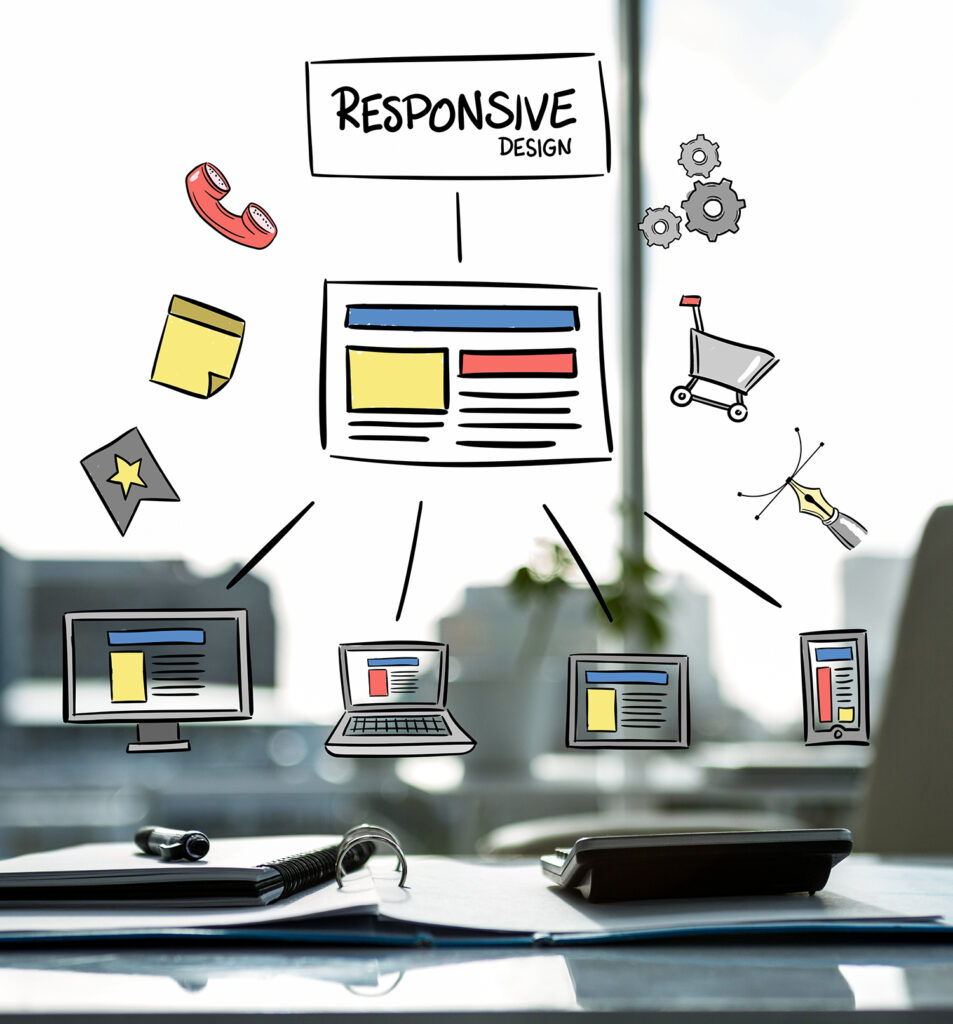
The strongest projects connect design decisions to commercial purpose. Navigation should help visitors find the right information quickly. Service pages should answer buying questions, not just describe capabilities. Contact forms should collect useful details without becoming a barrier. Mobile layouts should be planned from the start, because a large share of visitors will first encounter your company on a phone.
Start With the Business Outcome, Not the Homepage
Many website projects lose momentum because the conversation starts with, “What should the homepage look like?” A more useful question is, “What must this website achieve over the next 12 to 24 months?”
Define the primary outcomes before requesting a proposal. You may need more sales inquiries, better lead quality, a clearer corporate image, online payment capability, recruitment support, or a platform that can expand into new markets. These priorities affect every recommendation, from content architecture and integrations to hosting and maintenance.
A designer or agency should be able to translate those goals into a practical project scope. If search visibility matters, the site needs pages that reflect real services, locations, and customer questions. If paid advertising will drive traffic, landing pages and conversion tracking must be considered early. If your operations depend on sales teams responding quickly, customer relationship management or WhatsApp workflows may be relevant.
This is also where trade-offs should be discussed openly. A faster launch may mean starting with essential pages and expanding later. A highly customized interface may require more design, development, and testing time. A template-based site can reduce initial cost, but it may limit flexibility when your business needs unique workflows or integrations. There is no universally correct choice. The right choice depends on the role the website plays in your growth plan.
Assess Strategy, Design, and Development Together
A business can hire separate specialists for branding, design, development, hosting, and marketing. That arrangement can work when internal teams have the time and expertise to manage each handoff. For many companies, however, fragmented ownership creates delays, inconsistent messaging, and unclear accountability.
A full-service agency can provide a more coordinated route. The same partner can align the visual identity, website copy, user experience, custom development, analytics, hosting, and post-launch improvements. This does not mean every project needs a large, complex build. It means the team can recommend the right level of service and keep the website connected to the wider digital operation.
When reviewing a potential partner, look beyond screenshots. Ask how they approach content planning, responsive design, page speed, security, testing, and post-launch support. A website should be attractive, but it also needs clean functionality behind the scenes. If the site is difficult to update or unreliable under normal use, the design quality will not protect your investment.
For projects involving online stores, member areas, booking systems, or internal tools, development capability becomes especially important. Off-the-shelf features can be appropriate for straightforward needs. Custom development is often more suitable when the website must integrate with existing systems, automate routine work, or support a distinctive customer journey.
Questions to Ask Before You Appoint a Web Partner
A confident proposal should make the project easier to evaluate, not harder. It should explain what is included, what is excluded, the delivery process, responsibilities on both sides, and how ongoing support will be handled.
Ask direct questions about the areas that affect long-term performance:
- What business goals and target audiences will guide the website strategy?
- Who is responsible for copywriting, imagery, content migration, and approvals?
- Will the site be designed for mobile users and tested across common browsers?
- What platform, hosting arrangement, security measures, and backup process are included?
- How will leads, purchases, or other conversion actions be tracked after launch?
- What maintenance, training, and response support are available once the project goes live?
The answers reveal more than a portfolio can. A dependable provider will explain the process in plain business terms and identify risks early. For example, delayed content approvals, unclear product information, or late changes to core requirements can affect timelines. A partner that raises these issues upfront is usually protecting delivery quality, not creating unnecessary complexity.
Budget for Ownership, Not Just Launch
The lowest initial quote is not always the lowest-cost option. A website has an operating life after it goes live. Domains must be renewed, hosting must remain stable, software may need updates, security checks matter, and content will change as your company evolves.
Budget discussions should therefore include the total cost of ownership. Consider the initial strategy and build, then ongoing hosting, maintenance, support, content updates, performance monitoring, and marketing activity. If your website is a lead-generation channel, it should also have a plan for SEO, Google Ads, social media campaigns, or email follow-up where appropriate.
Competitive pricing matters, but so does clarity. A low-cost project can become expensive if it requires a rebuild within a year, if ownership of key accounts is uncertain, or if no one is available when an issue affects customer access. Confirm who owns the domain, website files, licenses, analytics accounts, and hosting credentials. These details support business continuity and prevent avoidable dependency.
Plan for What Happens After Launch
Launching a website is the start of its working life, not the end of the engagement. Real visitor behavior will show which pages attract attention, where users leave, what questions prospects still ask, and which channels generate meaningful leads. That information can guide useful improvements over time.
A practical post-launch plan may include regular software maintenance, backups, security monitoring, page-speed checks, analytics reviews, content updates, and conversion improvements. The level of support depends on the size and complexity of the site. A small corporate website may need scheduled maintenance and occasional updates. An e-commerce store or campaign-driven business may require more frequent optimization and technical attention.
SWOT supports businesses that want one accountable partner across website design, development, digital marketing, hosting, and ongoing support. This integrated approach is valuable when leaders want clearer coordination between the website visitors see and the systems and campaigns that support business growth.
Choose a Partner That Can Support the Next Stage
A credible web designer should be interested in where your business is heading, not only in completing a set of pages. Your priorities may change after a new service launch, an expansion into Singapore, a shift in sales strategy, or a growing demand for online transactions. The website should be structured to adapt without forcing a costly restart.
The best decision is rarely based on design style alone. Choose the partner that understands your objectives, communicates clearly, provides a tailored scope, and remains accountable after launch. When your website is built as part of a wider digital plan, it becomes more than an online brochure. It becomes a reliable platform for credibility, customer engagement, and measurable commercial progress.