



A business website is often judged before your sales team receives the first inquiry. A slow page, unclear service message, outdated visual identity, or broken mobile experience can make a capable company appear less credible than its competitors. Choosing a website designer at Selangor should therefore be a commercial decision, not simply a search for someone who can create attractive pages.
For startups, SMEs, and established companies, the right web partner turns business objectives into a digital platform that supports credibility, lead generation, sales, and day-to-day operations. That requires more than a template and a launch date. It requires clear strategy, considered design, reliable development, and support after the site goes live.
What a Website Designer at Selangor Should Deliver
A professional website needs to communicate what your company does, who it serves, and why a prospect should take the next step. Design is part of that process, but it is not the full scope. The strongest websites combine brand presentation with technical performance and a conversion-focused user journey.
For example, a corporate website may need to build trust through company credentials, project portfolios, industry certifications, leadership profiles, and clear contact pathways. A service business may need landing pages designed around specific customer problems and geographic markets. An e-commerce business needs a purchasing flow that makes product discovery, payment, fulfillment, and customer communication easy to manage.
The required solution depends on the business model. A startup may need a focused lead-generation website that can launch quickly and evolve as the company validates its market. A larger organization may need a custom website with multiple departments, approval workflows, CRM integration, user permissions, or multilingual content. A capable agency should identify these differences early instead of forcing every client into the same package.
Start With Business Outcomes, Not Visual Preferences
It is reasonable to have preferences about colors, layouts, or competitor websites. However, these preferences should follow the business goal rather than lead the project. A website designed to generate appointment requests will be structured differently from one designed to recruit talent, distribute product catalogs, or support online transactions.
Before engaging a designer, define what success should look like. This may include more qualified inquiries, higher conversion rates from paid advertising, better visibility for priority services, fewer manual customer questions, or a stronger presentation for corporate buyers. Clear outcomes give the design and development team a practical benchmark for recommendations.
A good discovery process should also examine your audience. Decision-makers in B2B sectors may need technical details, case studies, procurement information, and evidence of delivery capability before they contact a supplier. Consumer audiences may respond more quickly to product benefits, reviews, pricing, promotions, and simple checkout options. The right approach is not about using the latest visual trend. It is about reducing doubt and moving the right visitor toward action.
Design Must Support Trust and Conversion
Professional design creates order. It helps visitors understand your offering without searching through excessive text or confusing navigation. Consistent typography, considered spacing, relevant imagery, and clear calls to action all contribute to a more credible experience.
Trust is especially important for companies that sell high-value services or operate in competitive markets. A prospect may compare several providers in a short period. If your website does not explain your experience, process, service scope, or differentiators clearly, that prospect may leave before starting a conversation.
Conversion-focused design also considers the path visitors take through the site. A visitor who lands on a Google Ads page may need a direct explanation of one service and a prominent inquiry form. A visitor researching your company may need access to an overview, portfolio, testimonials, and contact details. These are different journeys, and they should not be treated as identical.
Calls to action should be visible and specific. “Contact us” has its place, but “Request a quotation,” “Book a consultation,” or “Speak to our project team” can provide clearer intent when used in the right context. The goal is not to pressure visitors. It is to remove unnecessary friction.
Development Quality Is a Business Requirement
A visually polished website can still underperform if it is slow, difficult to update, poorly secured, or unreliable on mobile devices. Development quality affects search visibility, advertising effectiveness, user confidence, and internal efficiency.
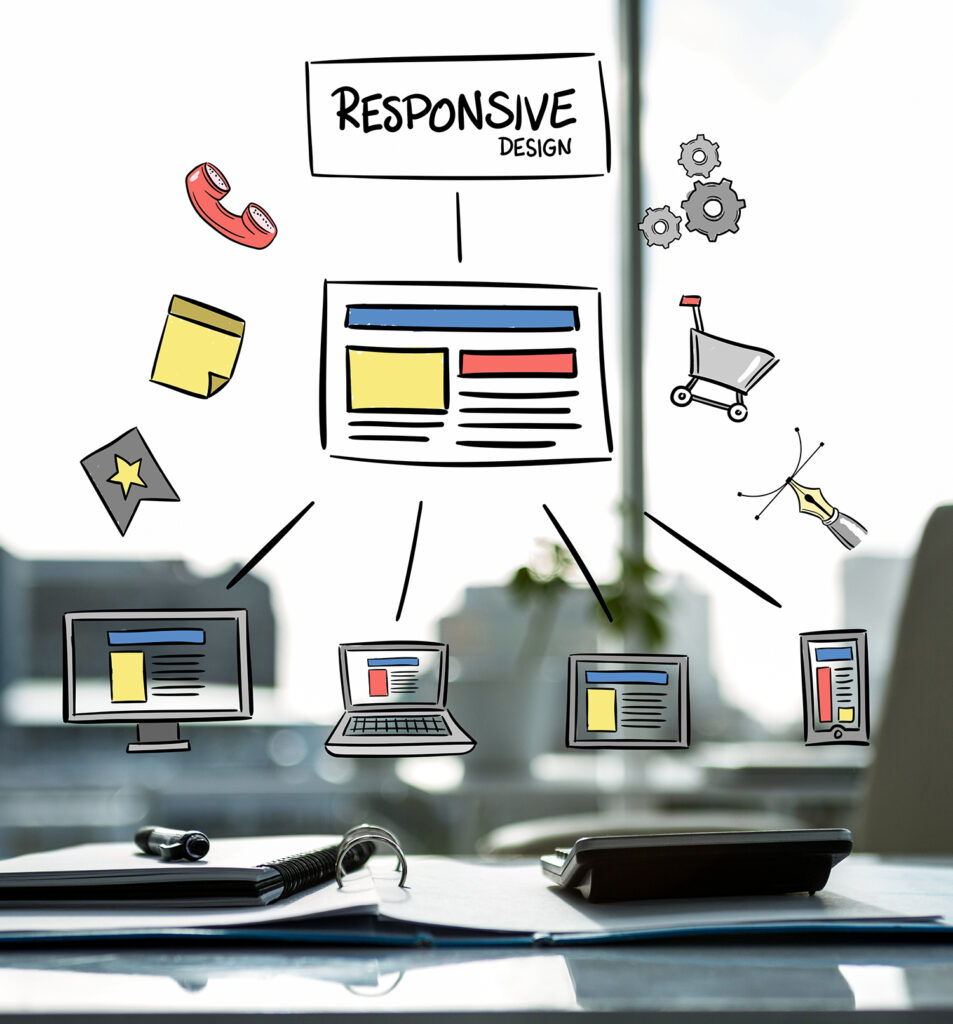
Mobile performance deserves particular attention. Many prospects will first visit your website from a phone, whether they find you through search, social media, WhatsApp, or a referral. Navigation, forms, page speed, and content hierarchy must work properly on smaller screens. A desktop-first site that merely shrinks for mobile is rarely enough.
The platform matters as well. A standard content management system may be efficient for a company profile site with regular news, service updates, and marketing content. A custom build may be more appropriate when the business needs unique features, portal access, integrations, complex calculations, or tailored operational workflows. Custom development provides flexibility, but it can increase project cost and maintenance requirements. The best option depends on what the business genuinely needs now and what it is likely to need next.
Security, backups, software updates, and hosting should also be addressed before launch. These are often overlooked during design discussions, yet they influence website continuity and the protection of business data. A site should be treated as an active business asset, not a one-time digital brochure.
SEO and Marketing Need a Place in the Plan
A website should be built with future visibility in mind. Search engine optimization is not achieved by adding a few keywords after the pages are complete. Site structure, page hierarchy, loading speed, metadata, service-page strategy, content quality, and technical setup all affect how effectively a website can compete for relevant searches.
This does not mean every website project requires a large SEO campaign immediately. A company launching a new brand may prioritize a strong foundation first, then invest in ongoing content and optimization once key pages are live. A mature company that already spends on Google Ads may need dedicated landing pages and conversion tracking from the start.
The advantage of working with an integrated digital partner is continuity. Website design, development, SEO, paid advertising, social media management, email marketing, and branding can be planned around the same commercial objectives. When these functions are disconnected across multiple vendors, businesses often face inconsistent messaging, delayed changes, unclear accountability, and avoidable technical issues.
Questions to Ask Before You Appoint a Web Partner
A website proposal should be clear enough for a business decision-maker to understand what is included, what requires additional investment, and how the project will be managed. Vague pricing can create problems later, particularly when content creation, integrations, maintenance, hosting, or revisions were not discussed properly.
Ask how the agency handles discovery, design approval, content requirements, testing, and launch. Confirm who owns the domain, hosting account, source files, website content, and access credentials. Understand the expected timeline, but also recognize that delivery depends on timely feedback, content submission, and approval from your internal team.
It is also worth asking what happens after launch. Will the team provide training? Is there a maintenance option? How are urgent issues handled? Can the agency support future landing pages, SEO improvements, campaign tracking, email setup, or new system integrations? The answers reveal whether you are engaging a short-term supplier or building a relationship with a dependable digital partner.
Relevant experience matters, but it should be evaluated carefully. A portfolio shows visual range and implementation capability, while the agency’s questions reveal whether it understands your business. Look for a team that can explain recommendations in practical terms, challenge assumptions when necessary, and connect website decisions to measurable outcomes.
Build for the Next Business Decision
The most valuable website is one that makes future growth easier. It should give your sales team a stronger tool, give marketing campaigns a credible destination, and give customers confidence that they are dealing with a professional organization. It should also be flexible enough to support new services, product lines, markets, and operational requirements as the company develops.
SWOT approaches website projects as part of a wider digital business foundation, combining tailored design and development with hosting, maintenance, digital marketing, and productivity solutions where required. This gives companies a more accountable path from initial strategy through long-term digital support.
When reviewing a website designer at Selangor, focus on the partner’s ability to understand your objectives, protect your digital operations, and deliver work that can perform beyond launch day. A well-planned website does not merely represent your business online. It gives your business a stronger position to compete, communicate, and grow.