


A website project rarely fails because a business did not choose an attractive enough homepage. It fails when the site does not reflect how the business sells, serves customers, manages inquiries, or supports growth after launch. Choosing a custom website company in Malaysia is therefore a commercial decision, not simply a design decision. The right partner should turn your objectives into a dependable digital system that builds credibility, generates action, and can be maintained as your business changes.
For startups, SMEs, and established organizations, a custom website can become the center of digital operations. It may support lead generation, product sales, recruitment, campaign landing pages, customer inquiries, integrations with internal tools, and brand communications. That range is exactly why a clear selection process matters.
Why Custom Development Is Different
A template-based website can be the right answer for a simple brochure site, a tight launch deadline, or a business that needs only a few standard pages. It is often faster and less expensive at the start. The trade-off is that templates can impose limits on page structures, user journeys, performance, integrations, and future improvements.
Custom development starts with the way your business actually operates. Rather than forcing your services, products, and conversion process into a prebuilt layout, the website is planned around your audience and commercial priorities. A property developer may need project filtering and lead routing. A B2B supplier may need quotation requests, product specifications, and a sales-ready catalog. An e-commerce brand may need inventory connections, member functions, promotional rules, and a checkout experience designed for its customers.
Custom does not mean building every feature from scratch. It means making deliberate technical and design decisions instead of accepting unnecessary restrictions. A capable agency will recommend proven platforms and components where they make sense, while tailoring the customer-facing experience and business logic where they create value.
What a Custom Website Company in Malaysia Should Deliver
A website is not complete when it is published. It should be planned, built, tested, secured, and supported as a business asset. When evaluating a custom website company in Malaysia, look beyond a gallery of visual designs. Ask how the company manages the full delivery process and what happens after the initial launch.
Strategy Before Visual Direction
The first stage should establish what the website needs to achieve. This includes the primary audience, key services or products, priority conversion actions, competitors, content requirements, and performance measures. Without this groundwork, design feedback can become subjective and development can drift away from the original business case.
A practical strategy may identify whether the main goal is quote requests, sales inquiries, online purchases, appointment bookings, distributor applications, or brand credibility for corporate stakeholders. It should also clarify how leads are handled once they arrive. There is little value in generating inquiries if the forms do not reach the right team, customer data is incomplete, or response processes are unclear.
UI/UX That Supports Decisions
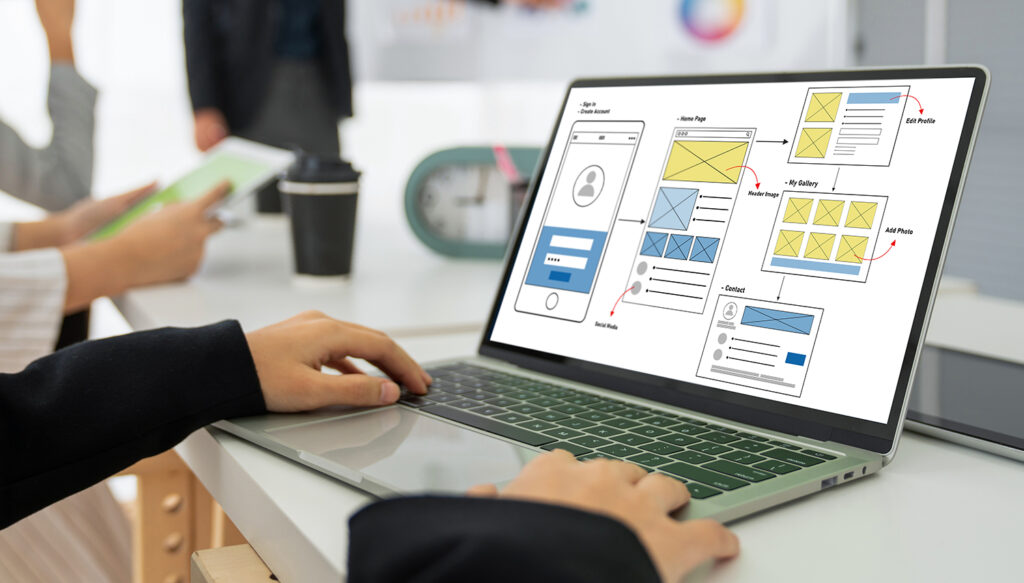
Professional design is more than applying brand colors and polished visuals. UI/UX design organizes information so visitors can understand what you offer, why it matters, and what to do next. Navigation, page hierarchy, mobile layouts, calls to action, forms, and content placement all affect whether a visitor becomes a lead or leaves without engaging.
For business websites, clarity usually outperforms visual excess. A visitor should quickly find the relevant service, product, proof point, and contact path. This is particularly important for mobile users, who may be comparing providers between meetings or responding to an ad campaign with limited time and attention.
Development, Integrations, and Control
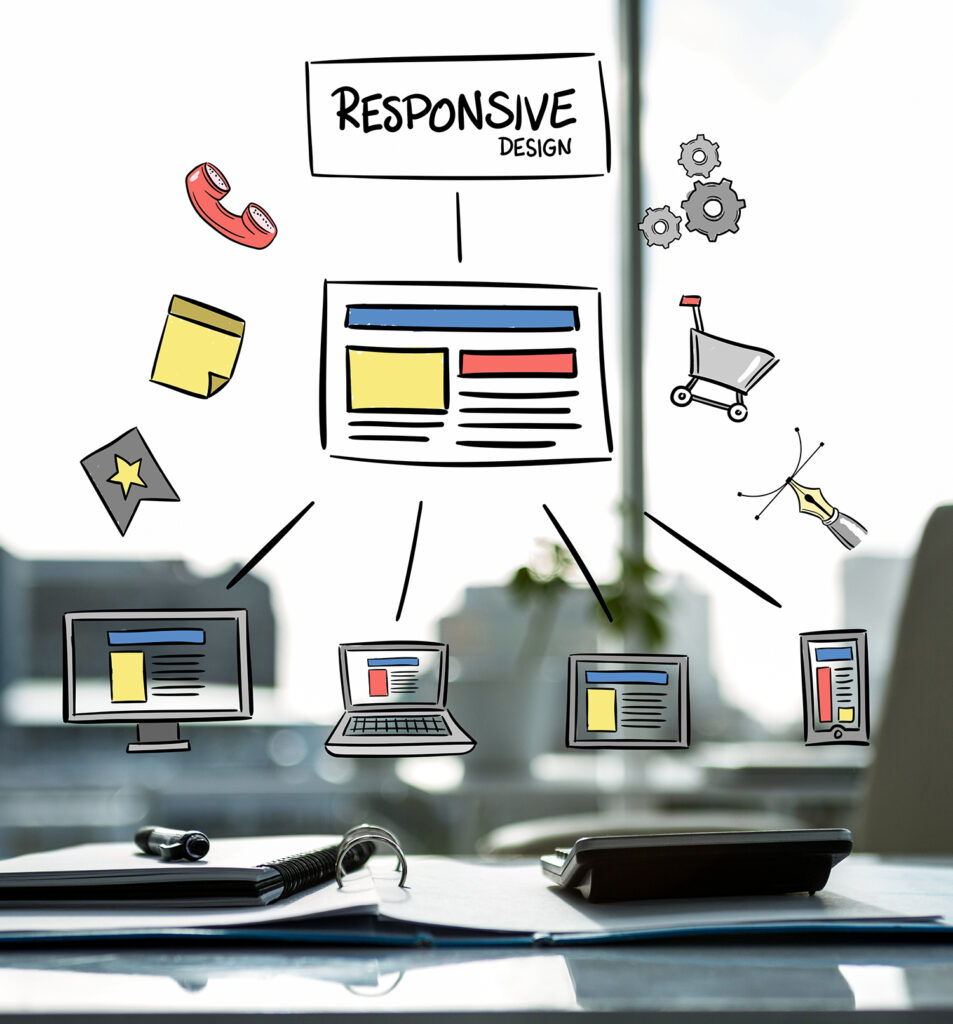
Development quality determines how reliably the approved design works in the real world. The agency should build responsive pages, optimize loading behavior, establish appropriate security controls, and test the experience across relevant devices and browsers. It should also provide an administrative setup that allows your team to update routine content without creating technical risk.
Ask whether the project requires integrations with payment gateways, CRM platforms, analytics, email tools, inventory systems, booking platforms, or messaging channels. These details can materially affect project scope and timeline. They should be discussed early, not added as an afterthought after design approval.
For companies serving Malaysia and Singapore, local operational needs can also matter. These may include multi-currency displays, regional payment options, multilingual content, local delivery logic, or forms that route inquiries to separate sales teams. The correct approach depends on your customer journey and internal workflow.
Hosting, Security, and Ongoing Support
A website needs a stable home after launch. Domain management, hosting, backups, security updates, uptime monitoring, email configuration, and technical support are not glamorous services, but they protect continuity. Splitting these responsibilities among several vendors can create delays when an issue occurs and no one clearly owns the resolution.
An integrated agency relationship gives decision-makers one accountable partner across website design, development, infrastructure, marketing support, and maintenance. SWOT, for example, combines these capabilities for businesses that prefer coordinated execution rather than managing multiple specialists. That model is not mandatory for every company, but it is especially useful when speed, accountability, and ongoing optimization are priorities.
Questions That Reveal Capability
The strongest agencies explain their process in business terms, not only technical terminology. During early discussions, ask how they define project success, how they gather requirements, and who is responsible for each stage. Their answers should be specific enough to show that delivery is organized without overwhelming you with unnecessary jargon.
Ask to see examples relevant to your needs, but do not judge solely by industry similarity. A company may have limited examples in your exact sector and still demonstrate strong thinking around lead generation, e-commerce, complex information architecture, or customer experience. Look for evidence that each website has a purpose beyond appearance.
You should also understand ownership and handover. Confirm who owns the domain, website files, design assets, licenses, and access credentials. Establish how content changes, bug fixes, and feature requests will be handled after launch. A dependable partner will define what is included, what requires additional scope, and how support requests are prioritized.
Finally, request a realistic timeline. A shorter schedule is not automatically better if it leaves insufficient time for discovery, content preparation, feedback, testing, and training. Delays often come from unclear approvals or late requirements, so both sides need a disciplined project process.
Budget for Business Value, Not Just Pages
Custom website pricing varies because no two business requirements are identical. The number of pages matters, but it is only one part of the cost. Features such as custom product catalogs, e-commerce functions, user accounts, third-party integrations, multilingual content, migration work, advanced forms, and content production can significantly change the effort required.
A low initial quote may exclude the work that makes the website useful, such as conversion-focused copywriting, SEO foundations, analytics configuration, hosting, maintenance, or quality assurance. Conversely, a higher investment is not automatically justified unless the scope, deliverables, and expected business benefit are clear.
The most useful proposal connects cost to outcomes. It should show what will be delivered, what assumptions apply, the project phases, responsibilities, technical requirements, and post-launch options. This enables an informed comparison between agencies instead of comparing page counts or design mockups alone.
Build for the Next Stage of Growth
The best website projects leave room for progress. Once the foundation is live, businesses can use performance data to improve service pages, strengthen landing pages, refine search visibility, test campaign messages, and remove friction from inquiry or purchase flows. Your website should support this ongoing work rather than become an expensive static brochure.
Choose a partner that can give direct recommendations, execute reliably, and remain accountable after the launch date. A well-planned custom website does more than present your business professionally. It gives your team a practical platform to create trust, capture demand, and move the right customers toward action.