
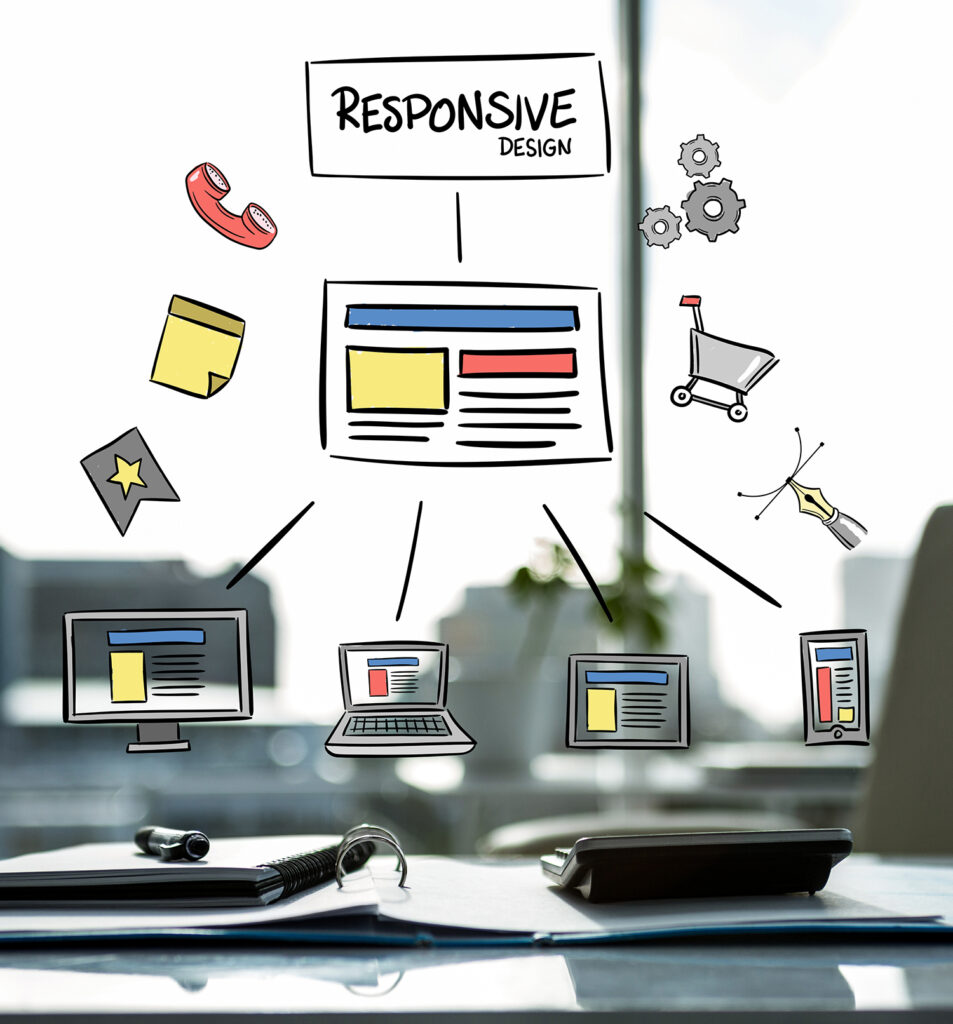



A customer taps a campaign link, opens your product catalog, and expects it to work immediately. They do not care whether the experience is powered by a Progressive Web App or a native mobile application. They care whether they can find, buy, book, or contact your business without friction. That is why the PWA vs native decision should begin with commercial priorities, not developer preferences.
For many businesses, a PWA offers the fastest route to a mobile-ready customer experience. For others, native development is the right investment because the product depends on device hardware, intensive performance, or frequent user engagement. The stronger option is the one that supports your revenue model, audience behavior, operational requirements, and growth plan.
PWA vs Native: The Core Difference
A Progressive Web App is a website built with modern web technologies that behaves more like an app. It runs through a browser, can be added to a device home screen, and may support features such as offline access, notifications, and cached content. Customers can usually access it from a shared URL without visiting an app store.
A native app is developed specifically for a mobile operating system, typically iOS or Android. It is downloaded through an app store and can interact more deeply with the device. Native apps are commonly built using platform-specific technologies or cross-platform frameworks that package the experience as an installable application.
The distinction matters because each approach creates a different path to acquisition, development, maintenance, and customer retention. A PWA treats the web as the main distribution channel. A native app treats the phone as the main product environment.
When a PWA Makes Business Sense
A PWA is often the practical choice when your priority is reach. If a prospective customer sees a social ad, scans a QR code, receives a WhatsApp message, or searches for your service, they can open a PWA directly. There is no installation step before they can browse products, request a quotation, make an appointment, or complete a checkout.
That reduced friction can be valuable for businesses that rely on campaigns, search visibility, and occasional customer visits. A restaurant ordering platform, event registration portal, property listing service, product catalog, customer self-service area, or B2B ordering system may benefit more from instant access than from an app-store presence.
PWAs can also be cost-efficient. One web-based product can serve desktop, tablet, and mobile users, reducing the need to maintain separate codebases for a website, iOS app, and Android app. Updates are deployed centrally, which means customers see the latest version without being asked to download an update.
For startups and SMEs, this can protect early-stage budgets. Rather than funding a native application before customer behavior is proven, a business can launch a high-quality PWA, validate demand, measure conversion paths, and invest further based on real usage data.
That does not mean a PWA is a lesser product. A well-planned PWA can be fast, polished, secure, and closely aligned with brand standards. It simply has different technical boundaries than a native app.
Where PWAs have limits
A PWA may not offer the same depth of access to device capabilities across every browser and operating system. Features such as advanced Bluetooth connections, complex background processing, certain biometric workflows, and highly customized notification behavior can be limited or inconsistent.
Performance can also become a consideration for graphics-heavy experiences, live video editing, complex mapping, 3D rendering, or data-intensive workflows. Browser technology has advanced significantly, but web applications still operate within an environment that is not fully under the developer’s control.
There is also a perception issue. Some users associate installed native apps with established services, especially in banking, healthcare, logistics, membership platforms, and other high-frequency categories. Whether that perception affects your business depends on your audience and the trust signals already present in your brand.
When Native Apps Are Worth the Investment
Native development is usually justified when mobile functionality is central to the product rather than an additional access channel. If customers use the application several times a week, store sensitive information, rely on real-time updates, or need advanced device interactions, native can provide a stronger long-term foundation.
Consider a delivery operation that needs continuous location tracking, proof of delivery, route optimization, camera scanning, and offline job updates. Consider a fitness platform connected to wearable devices, or a field service system where technicians must capture signatures, images, and forms in areas with weak connectivity. These use cases benefit from tighter operating system integration and predictable performance.
Native apps are also appropriate for products where retention is a major business metric. Once installed, an app has a more permanent place on the customer’s device. A recognizable icon, controlled notification strategy, saved preferences, and smoother repeat access can help encourage recurring use. Of course, installation alone does not create loyalty. The product still needs a clear reason for customers to return.
App-store distribution can add credibility and discoverability for certain audiences, but it brings additional responsibilities. Businesses must comply with platform guidelines, manage store submissions, address review requirements, and maintain compatibility as operating systems evolve. A release may require approval before it reaches customers, which can slow urgent changes compared with deploying an update to a web application.
Compare the Decision Beyond Development Cost
The initial quotation is only one part of the PWA vs native evaluation. A lower upfront cost can be attractive, but it should be measured against expected usage, integrations, support needs, and future product direction.
A PWA may lower time to market and simplify ongoing updates. It can work particularly well alongside an SEO strategy because its pages are accessible through search engines and shareable through standard web links. This makes it a strong option for businesses focused on lead generation, e-commerce traffic, campaign landing pages, and customer education.
A native app may require a larger initial investment, particularly if iOS and Android are built separately. However, it can reduce operational compromises when the product requires complex mobile capabilities. Trying to force a browser-based solution into a device-heavy workflow may create more support issues and redevelopment cost later.
Your customer acquisition model should shape the decision. If most users will first encounter your business through Google, paid media, email, or social content, direct browser access has clear value. If users are employees, registered members, drivers, agents, or subscribers who will use the product repeatedly, an installable native experience may be more appropriate.
Questions That Clarify the Right Direction
Before approving development, define what customers must do on the platform and what the business needs to measure. Ask whether users need advanced camera, GPS, Bluetooth, biometric, background, or offline functions. Determine whether they will use the product once a month, once a week, or multiple times a day.
Also examine how users will arrive. A service that depends on new visitors should avoid unnecessary barriers. A platform used by an established customer base may be able to ask for installation if the value is clear from the first use.
Finally, consider the internal team that will operate the product. Content, pricing, inventory, campaigns, customer records, and support processes must remain manageable after launch. The best mobile experience is not useful if updates require excessive manual work or disconnected systems.
A Practical Path for Many Businesses
For a business creating its first customer-facing digital product, a staged approach is often sensible. Build a responsive website or PWA with a clear user journey, reliable hosting, analytics, secure forms or payment flows, and an administration process that staff can manage. Use the launch to learn what people actually use.
If data later shows that customers return frequently and demand capabilities beyond the browser, the same product strategy can inform a native app investment. This approach avoids funding features based on assumptions while preserving a clear route to a more specialized application.
SWOT helps businesses evaluate these choices through the wider picture: user experience, custom development, e-commerce requirements, marketing acquisition, infrastructure, and post-launch support. The goal is not to sell an app format. It is to build a digital product that serves a measurable business purpose.
Choose the platform that makes the next customer action easier and the next operational decision clearer. That is where a mobile investment starts producing value.