



A business website usually fails long before launch. The real problem starts earlier – when the company behind it treats the project as a design task instead of a business asset. If you are looking for a web company in Selangor, the decision should not come down to who offers the lowest quote or the fastest mockup. It should come down to who can translate your commercial goals into a website that performs, scales, and stays supported after it goes live.
Selangor is one of Malaysia’s most active business regions, which means companies here have options. That is good for buyers, but it also makes selection harder. Many providers can show attractive layouts. Fewer can handle the full chain of execution, from planning and UI/UX to development, hosting, maintenance, SEO, and campaign support. For a startup, SME, or corporate team, that difference matters because every gap between vendors creates delay, misalignment, and added cost.
What a web company in Selangor should actually deliver
A serious web partner should start with business intent. That means understanding whether your website is meant to generate leads, support sales conversations, strengthen brand credibility, enable online transactions, or streamline customer communication. The build should follow that purpose, not the other way around.
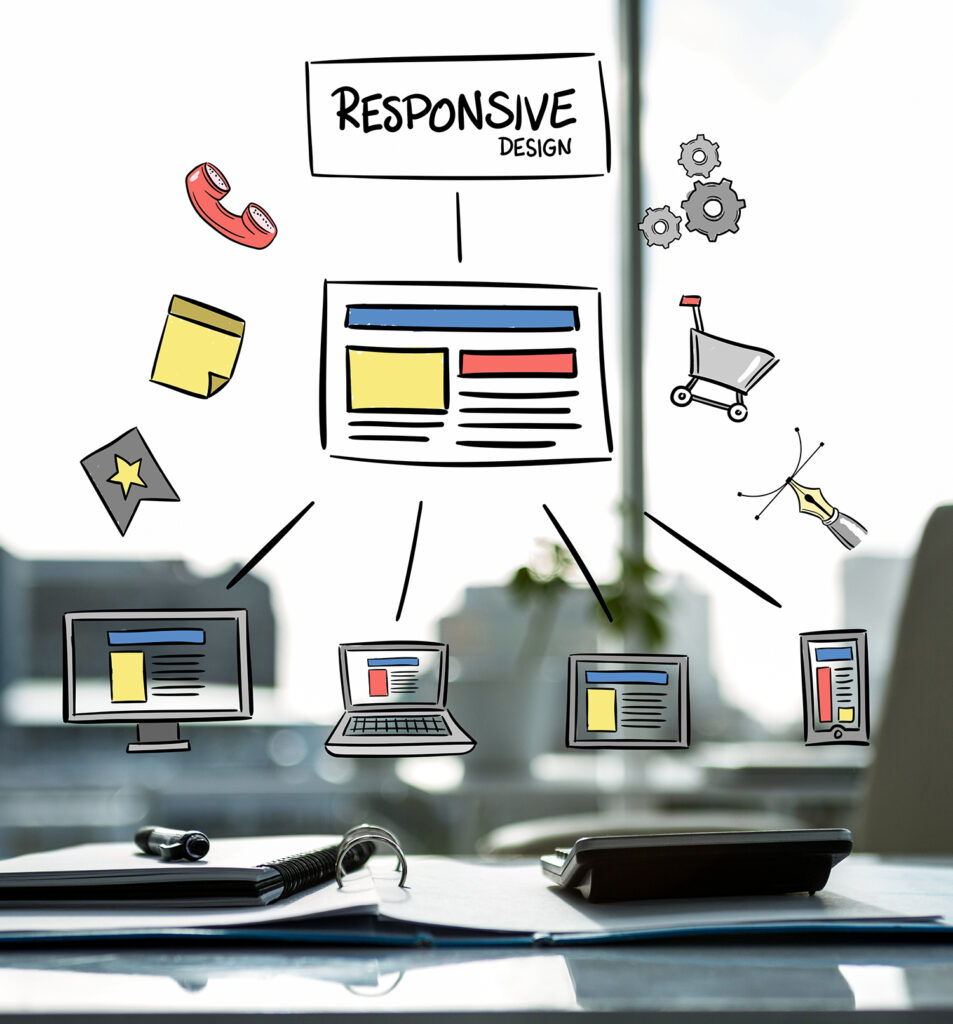
Good web development is rarely just about code. It includes content structure, mobile responsiveness, page speed, user flow, conversion planning, and integration with the tools your business already uses. If a provider only talks about visual design, you are getting part of the job done, not the full outcome.
For many businesses, the better choice is a company that can handle both front-end presence and back-end support. That may include domain management, hosting, official email setup, cloud productivity tools, and ongoing technical maintenance. A website is not a one-time file delivery. It is an operational platform that needs continuity.
Why businesses outgrow fragmented vendors
A common pattern is this: one freelance designer creates the interface, another developer builds the site, a separate vendor handles hosting, and a marketing agency is brought in later to fix traffic and conversions. On paper, this may seem flexible. In practice, it often creates accountability problems.
When load speed drops, no one owns it. When forms stop working, support gets passed around. When SEO underperforms, the marketing team blames the site structure. The business loses time coordinating specialists instead of moving forward.
This is where a full-service provider becomes commercially more practical. When one partner is responsible for strategy, design, development, infrastructure, and post-launch support, the handover gaps are smaller. That does not automatically mean every full-service agency is the right fit, but it does mean the service model can reduce operational friction.
How to assess capability beyond the sales pitch
Most agencies know how to present themselves well. The stronger test is how they define scope, process, and responsibility.
Ask how discovery is handled. A capable team should ask about your products, target audience, sales process, customer objections, internal approval flow, and long-term growth plans. If the early discussion stays limited to colors, references, and page count, the project is being framed too narrowly.
Ask what happens after launch. Some companies are strong at delivery but weak at maintenance. Others can provide ongoing support, updates, security checks, performance monitoring, and campaign alignment. That long-term service is often more valuable than the launch itself, especially for growing businesses.
Ask who will actually work on the project. Some agencies sell with senior people and deliver with a disconnected outsourced team. There is nothing inherently wrong with outsourcing, but businesses should know how quality is controlled, how communication is managed, and who remains accountable when timelines move.
Design quality matters, but business clarity matters more
Decision-makers are often shown polished homepage concepts and asked to approve based on aesthetics. That is understandable, but a good-looking site can still underperform if the messaging is weak, navigation is confusing, or calls to action are unclear.
A business website should help visitors make decisions quickly. They should understand what you offer, who it is for, why they should trust you, and what to do next. That sounds simple, but it requires strong planning across copy, structure, UX, and conversion intent.
This is especially important for SMEs and service businesses in competitive markets. If your website looks modern but does not support lead capture, trust-building, or local search visibility, the commercial value is limited. Design has to serve communication and conversion.
SEO, ads, and web development should not be separated blindly
One reason companies replace websites within a short period is that the original build did not account for traffic strategy. Pages were not structured properly for search, landing pages were not designed for campaigns, and technical foundations were weak.
A web company in Selangor should be able to think beyond launch day. If you plan to invest in SEO, Google Ads, Facebook campaigns, WhatsApp inquiries, or email marketing, the website needs to support those channels from the start. That may affect page architecture, site speed, form design, tracking setup, content layout, and conversion pathways.
This is where integrated service becomes valuable. When the same partner understands development and marketing, fewer revisions are needed later. The business gets a website that is built to support visibility and lead generation, not just online presence.
Price matters, but cheap execution usually shows up later
Budget is always part of the conversation, and rightly so. Businesses should expect competitive pricing, clear scope, and realistic timelines. But low pricing without process discipline often leads to expensive corrections later.
A cheaper quote may leave out technical SEO considerations, security setup, CMS training, content population, mobile optimization, or post-launch fixes. Those omissions do not always appear in the proposal headline, but they affect total cost over time.
That does not mean the most expensive agency is automatically best. It means value should be judged by business fit, reliability, service coverage, and support depth. Sometimes a mid-range proposal from a dependable team delivers stronger long-term return than a low-cost build that needs rebuilding within a year.
What local businesses in Selangor often need most
Many companies do not just need a website. They need a dependable digital execution partner that can keep multiple moving parts aligned. A growing business may need a corporate website today, SEO next quarter, official email migration after that, and campaign landing pages later. Managing separate vendors for each stage adds friction.
That is why many decision-makers prefer working with one provider that can support website design, custom development, e-commerce, branding materials, hosting, maintenance, and digital marketing in a connected way. The practical advantage is not convenience alone. It is consistency, speed, and clearer accountability.
For businesses that want one point of responsibility, a provider like SWOT can make commercial sense because the service model covers strategy, design, development, hosting, marketing, and ongoing support under one relationship. That structure is often more efficient than rebuilding internal coordination around multiple agencies.
Red flags to watch before you sign
If an agency cannot explain its process clearly, that is a warning sign. If revisions, support periods, ownership terms, or hosting responsibilities are vague, problems usually surface later.
Be cautious if the proposal promises everything quickly with little discovery. Good websites require alignment. Speed is useful, but false speed often means shortcuts in planning, QA, or content structure.
Also watch for agencies that disappear after deployment. Business websites need updates, security attention, and occasional enhancements. A provider that treats launch as the finish line may not be the right long-term partner.
The better question is not who can build it
In a market with many capable suppliers, the smarter question is not who can build a website. It is who can build a website that supports business growth, stays reliable, and fits into your wider digital operation.
That shift in thinking changes how you evaluate a web company. You stop buying pages and start investing in execution. You stop comparing surface features and start looking at support, accountability, and measurable outcomes.
If your website needs to carry real commercial weight, choose a partner that understands more than design trends. Choose one that can deliver tailored solutions, dependable support, and results that make sense for your business six months after launch, not just on presentation day.