



A business website usually starts with a simple question: should you use a website creator or invest in a more tailored build? That decision affects more than design. It shapes how fast you can launch, how well your site supports marketing, how easily your team can manage content, and how far the platform can grow with your business.
For startups and SMEs, a website creator can look like the obvious choice. It promises speed, lower setup costs, and less technical complexity. In the right situation, those benefits are real. But the right situation matters. A platform that works well for a brochure site may become restrictive once you need stronger SEO control, custom integrations, better conversion paths, or a more distinct brand presence.
What a website creator does well
A website creator is designed to help non-technical users publish a website without building everything from scratch. Most platforms include templates, visual editors, hosting, and basic built-in tools for forms, galleries, and content updates. That makes them attractive for companies that need an online presence quickly and want to avoid a longer development cycle.
For a new business, this can be practical. If the immediate goal is to establish credibility, display services, publish contact details, and begin receiving inquiries, a website creator can deliver that baseline efficiently. The learning curve is usually manageable, and internal teams can make minor text or image changes without relying on a developer for every update.
There is also a budgeting advantage. The upfront cost is often lower than a custom project, especially when the scope is limited. For businesses that are still validating a market, testing a new service, or launching a temporary microsite, that lower commitment can make commercial sense.
Where a website creator starts to fall short
The challenge begins when a business expects strategic performance from a platform built primarily for convenience. A website is not only a digital brochure. It is often part of a larger system that includes search visibility, paid campaigns, CRM workflows, lead capture, customer communication, analytics, and ongoing content growth.
Many website creator platforms can support some of this, but often with limits. Design flexibility may be narrower than it appears at first. Pages can start to look similar to competitors using the same template framework. Performance optimization can be harder to control. Technical SEO settings may be basic. Integrations may rely on third-party apps that add cost, complexity, or instability.
This matters more as the business matures. A company that depends on digital channels for lead generation, e-commerce transactions, appointment booking, or customer self-service usually needs more than drag-and-drop convenience. It needs structure, control, and room to adapt.
The business case for choosing carefully
The wrong platform decision rarely fails on day one. It usually becomes a problem six to twelve months later, when the business wants to scale campaigns, improve conversion rates, add new workflows, or refresh the brand without rebuilding everything.
That is why the decision should be commercial, not just technical. Business owners and marketing teams should assess a website creator based on operational fit. Can it support your sales process? Can it integrate with the systems your team already uses? Can it handle multilingual content if your market requires it? Can it support proper landing pages for ad campaigns? Can it grow from a simple corporate site into a stronger digital asset?
A platform may be affordable at launch but expensive to outgrow. Replatforming later often means redesign work, content migration, SEO disruption, and internal retraining. The initial savings can disappear quickly if the website has to be rebuilt once the business needs become more sophisticated.
How to evaluate a website creator for business use
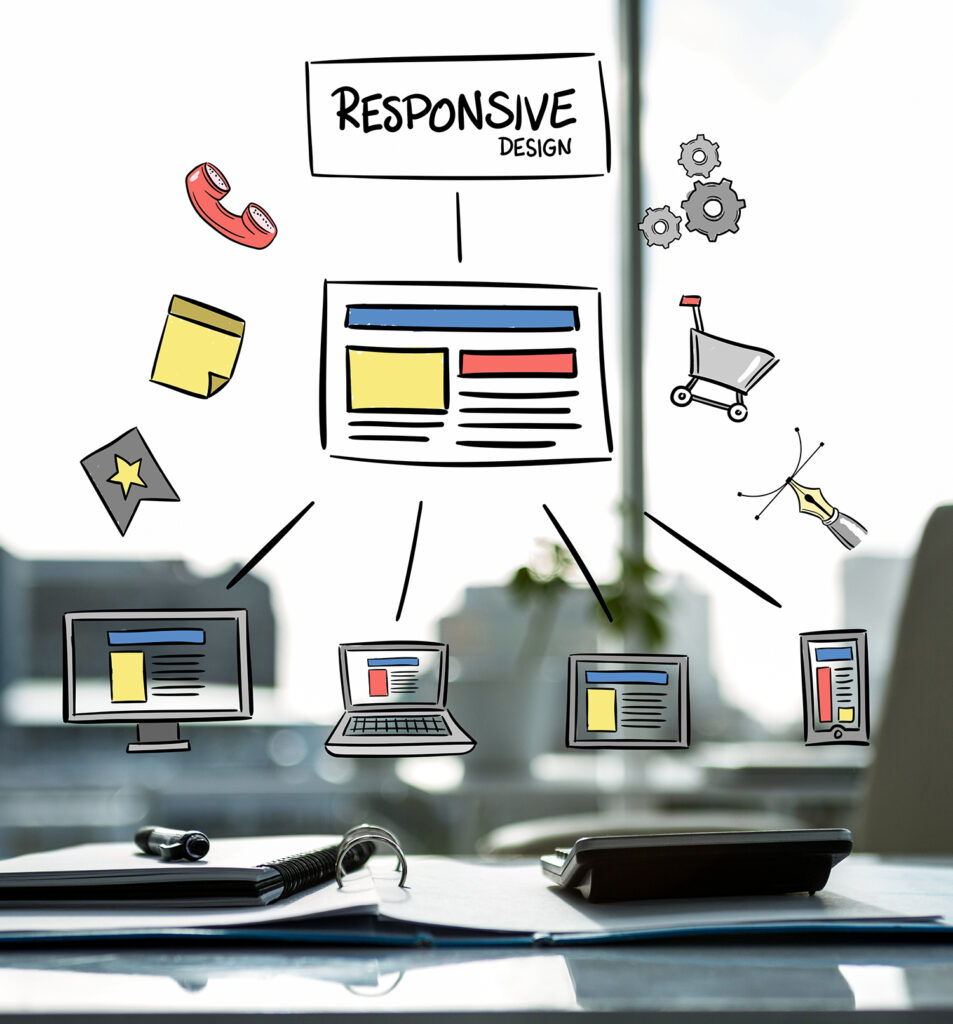
The first area to review is content control. Your team should be able to update key pages easily, but ease of editing alone is not enough. Look at how the platform handles page structure, navigation, blog management, metadata, image optimization, and mobile responsiveness. If content marketing or SEO is part of your growth plan, these details matter early.
The second area is brand flexibility. Many businesses underestimate how important differentiation becomes online. If your website ends up looking generic, it weakens trust and makes your positioning less convincing. A good platform should allow enough design freedom to reflect your business properly, not just fit your content into a standard template.
The third area is integration. A business website often needs to connect with forms, analytics, ad tracking, email marketing, CRM systems, booking tools, payment gateways, and customer support channels. A website creator that handles these connections poorly can create operational friction behind the scenes, even if the front end looks acceptable.
The fourth area is ownership and long-term support. Some businesses do not realize how dependent they become on the platform ecosystem. Ask practical questions. What happens if you want to move away later? How portable is your content? Are there limitations around hosting, code access, or advanced functionality? Convenience is valuable, but so is flexibility.
When a website creator is the right choice
A website creator is often a good fit when the project scope is straightforward and the business priorities are clear. A startup launching its first site, a local service provider needing a simple presence, or a company creating a campaign microsite may benefit from the speed and lower cost.
It can also work well for organizations that have minimal internal technical requirements and do not need custom workflows. If the site is primarily informational and success depends more on having a clean, professional presence than on deep platform customization, a website creator can be the right tool.
The key is not to expect enterprise-level flexibility from a lightweight solution. When expectations match the platform, the outcome is usually better.
When custom development is the smarter investment
If your website supports serious lead generation, e-commerce growth, multi-location operations, custom functionality, or complex user journeys, a tailored solution is usually more effective. The same applies if your brand needs a stronger competitive position or your marketing team requires more control over landing pages, tracking, SEO architecture, and conversion optimization.
Custom development is not only about building something visually unique. It is about aligning the site with business operations. That may include integration with internal systems, tailored forms and workflows, better performance tuning, stronger security considerations, and cleaner scalability over time.
For many growing businesses, the better question is not whether a website creator is cheaper. It is whether the platform supports revenue, efficiency, and brand credibility well enough to justify the choice.
Why businesses increasingly want one partner, not many vendors
One common issue with website projects is fragmentation. A company may use one provider for the site, another for hosting, another for SEO, and another for branding or ads. That arrangement can work, but it often creates delays, accountability gaps, and disconnected execution.
A more practical model is working with a partner that understands the full digital picture – website structure, design, content, marketing performance, hosting, and long-term support. That is especially useful when deciding between a website creator and a custom build, because the right answer depends on business goals, not just software features.
An experienced agency such as SWOT can assess whether your company needs speed, scalability, stronger design control, better marketing integration, or a phased approach that balances budget with future growth. That kind of guidance prevents short-term decisions from creating long-term constraints.
The real decision is not platform versus platform
Most businesses approach this as a software comparison. In practice, it is a growth decision. You are choosing how your company will present itself, capture opportunities, support campaigns, and adapt over time.
A website creator can absolutely be useful. For the right business case, it offers speed, accessibility, and a manageable starting point. But for companies with bigger commercial goals, it may only solve the first stage of the problem.
The better approach is to define what your website needs to do for the business over the next two to three years, not just what it needs to look like next month. Once that is clear, the right build path becomes much easier to justify. A good website should not only get you online. It should give your business room to move.