



A WordPress site that looks acceptable on launch day can quickly become a business limitation. Pages load too slowly, forms fail to route leads correctly, product filters frustrate buyers, and internal teams end up working around the website instead of using it confidently. That is where wordpress customization services become commercially valuable. They turn a generic installation into a business tool that supports branding, lead generation, operations, and growth.
For business owners and marketing teams, the issue is rarely WordPress itself. The platform is flexible, widely supported, and capable of handling corporate websites, service-led sites, landing pages, and e-commerce builds. The real challenge is that out-of-the-box themes and plugins are designed for broad use. Your business is not broad use. It has specific products, approval flows, customer journeys, integrations, reporting needs, and brand standards.
Why businesses invest in wordpress customization services
A template can get a website online. It cannot always get the right business result. Many companies start with a prebuilt theme because it is fast and cost-effective, then realize the site does not fully match how they sell, communicate, or operate.
Customization closes that gap. It allows the website to reflect actual business requirements instead of forcing the business to adapt to a theme's limitations. That can mean refining the layout around conversion goals, improving mobile behavior for real users, integrating third-party tools, or developing custom functions that simplify daily admin work.
This matters even more for SMEs and growing companies that want one digital environment to support multiple goals at once. A website may need to present the brand professionally, capture leads, sync with marketing tools, support search visibility, and remain easy to manage after launch. Those outcomes usually require more than surface-level edits.
What wordpress customization services usually include
Not every project needs custom development from scratch. In many cases, the right approach is selective customization, where the core WordPress framework remains intact while design, functionality, and backend logic are adjusted to fit the business.
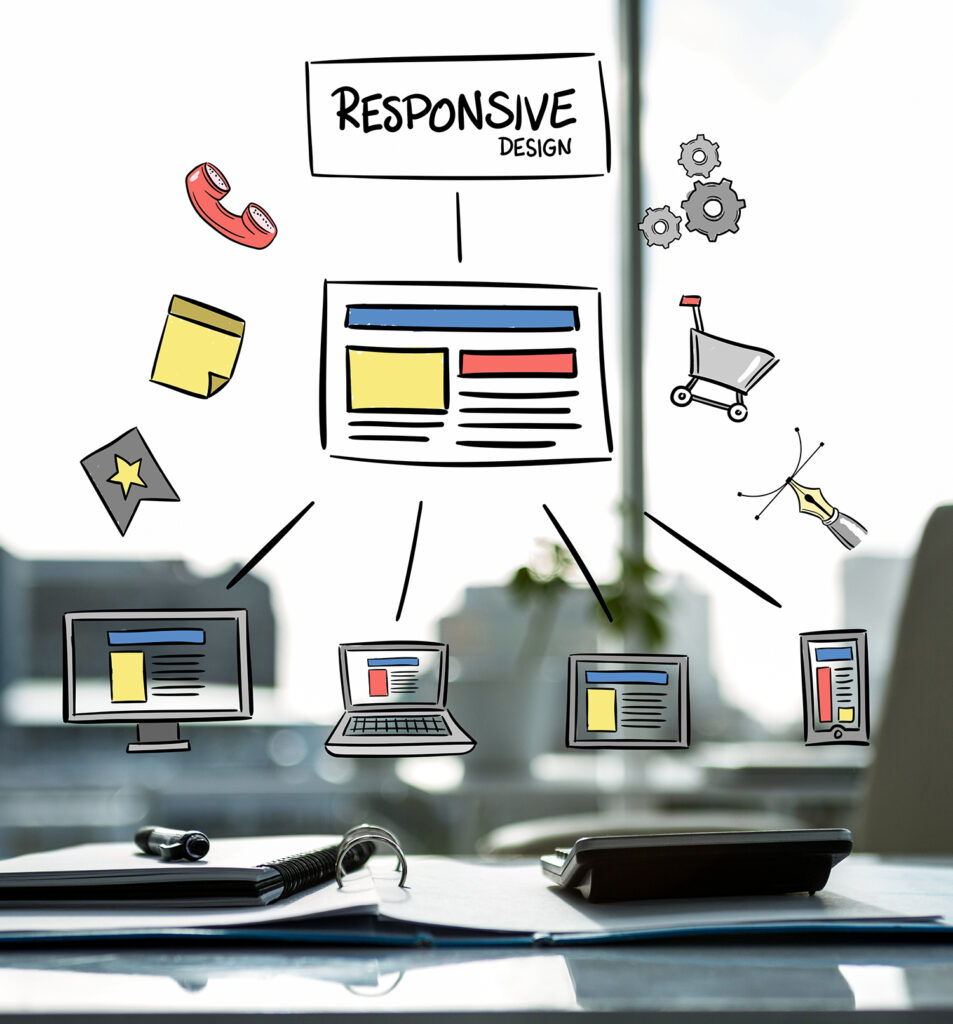
At the design level, customization often covers page layouts, navigation structures, mobile responsiveness, typography, branded content blocks, and user journey improvements. This is not just about appearance. It affects trust, readability, and conversion performance.
At the functional level, businesses often need tailored forms, booking flows, calculators, quote requests, multilingual setup, role-based access, custom post types, or product display logic that standard plugins do not handle well. E-commerce websites may require checkout adjustments, shipping rule changes, promotional logic, or integrations with payment and inventory systems.
On the backend, customization can improve how teams manage content and processes. A clean admin structure, custom dashboards, simplified fields, and automation can save time and reduce errors. That is especially useful when non-technical staff need to update the website regularly.
Performance and technical customization are also common. This includes optimizing code, reducing plugin conflicts, improving page speed, strengthening security settings, and preparing the website for long-term maintenance. A business website should not become slower and harder to manage every time a new feature is added.
The business case for custom work over off-the-shelf fixes
One of the most common mistakes is stacking plugins to solve every issue. It feels efficient at first. Over time, it often creates conflicts, inconsistent user experience, slower performance, and a backend that is difficult to manage.
That does not mean plugins are bad. Many are essential. The trade-off is knowing when to use a reliable plugin and when to build or modify functionality properly. A business-focused customization service should make that judgment based on stability, scalability, and total operating cost, not just short-term convenience.
Custom work also improves brand consistency. Decision-makers often underestimate how much credibility is lost when a website feels patched together. Inconsistent layouts, awkward mobile spacing, generic call-to-action sections, and partial template remnants can weaken trust even when visitors cannot explain exactly why.
For companies competing in crowded markets, a more tailored website can directly support better lead quality and stronger conversion performance. If the site presents services clearly, routes inquiries properly, and removes friction from key actions, it becomes more than a digital brochure. It becomes part of the sales infrastructure.
When a business should consider wordpress customization services
There are clear signs that a standard WordPress setup is no longer enough. If your team keeps saying, "the website cannot do that," you are already in customization territory.
You may need customization if your website does not match your actual sales process, if important plugins conflict with one another, or if mobile users have a noticeably weaker experience than desktop users. The same applies when your website has grown through piecemeal updates and now feels inconsistent across pages.
Another sign is operational inefficiency. If staff must manually export leads, fix broken layouts after updates, or rely on a developer for small routine changes, the site architecture may need improvement. Customization should not create dependency without reason. Done properly, it should give your business more control.
E-commerce websites often reach this point faster. Product catalogs, filtering logic, promotional rules, shipping conditions, and customer account features tend to become more complex as the business grows. What worked for a small store often starts limiting performance at scale.
What to look for in a service partner
Choosing a provider for wordpress customization services is not just a technical decision. It is an execution and support decision. Businesses need a partner that understands commercial priorities, not only code.
A strong service partner will first ask how the website is meant to perform. Are you trying to generate qualified leads, support online sales, improve customer experience, reduce admin workload, or strengthen credibility with corporate buyers? Those answers should shape the customization plan.
Technical capability still matters, of course. The provider should be able to assess theme structure, plugin dependencies, hosting environment, security considerations, and future scalability before making changes. Customization without technical discipline often leads to expensive rework later.
Just as important is scope clarity. Businesses should know what is being changed, what remains standard, what third-party tools are involved, and how updates will be handled after launch. Many website issues begin with vague project definitions and end with unmet expectations.
For companies that prefer one accountable partner, an agency model is often more practical than hiring separate specialists for design, development, hosting, SEO, and maintenance. That integrated approach reduces handoff risk and keeps the website aligned with broader business and marketing goals. SWOT is built around that model, which is why customization work can be delivered with stronger continuity across design, development, infrastructure, and growth support.
Common trade-offs decision-makers should understand
Not every customization is worth doing. Some requests add complexity without adding measurable value. Others are justified now but may increase maintenance overhead later.
For example, highly bespoke visual elements can strengthen brand presence, but they may also require more careful testing across devices. Custom plugin modifications can deliver exactly the function you need, but they should be documented properly so future updates do not break them. Deep theme changes can improve the user experience, but if they are handled poorly, they can make upgrades more difficult.
This is why the right answer is often, it depends. The best customization strategy balances business impact, budget, time to launch, maintainability, and future growth. A dependable partner will explain those trade-offs clearly instead of saying yes to every request.
The result should be a better business website, not just a different one
The purpose of customization is not to make WordPress look unique for its own sake. It is to make the website work better for the business and the people using it. That means clearer user journeys, stronger technical stability, easier content management, and features that support real commercial goals.
When done well, wordpress customization services create a website that feels aligned from front to back. The design reflects the brand. The functionality fits the process. The backend supports the team. The infrastructure is stable enough to support marketing, updates, and growth without constant friction.
If your website is already attracting attention but not converting well, or if your team has outgrown the limitations of a standard setup, customization is not an extra layer. It is often the practical next step toward a website that finally does its job properly.
A good business website should reduce friction, build confidence, and support measurable outcomes. If your current WordPress setup is falling short, the right customization work can turn it into an asset your business can actually rely on.