
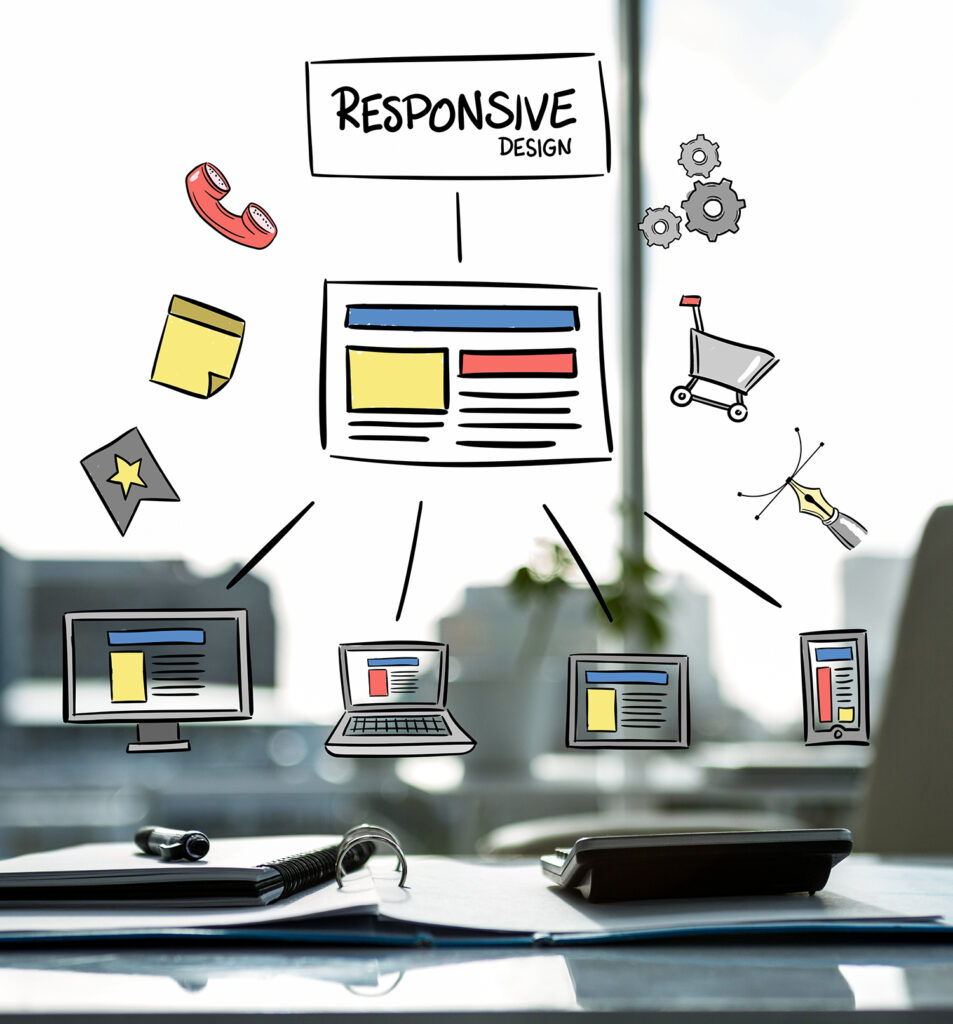



A website is often the first serious sales conversation a prospect has with your business. If its message is unclear, its pages load slowly, or its inquiry process creates friction, potential customers may leave before your team has a chance to respond. Choosing a website designer in Penang is therefore not simply a visual decision. It is a decision about credibility, lead generation, operations, and the long-term value of your digital investment.
For startups, SMEs, and established companies, the right partner should understand more than colors, layouts, and current design trends. They should be able to translate your commercial goals into a website that helps people understand what you offer, why they should trust you, and what action to take next.
What a Website Designer in Penang Should Deliver
A business website should have a defined job. That job may be generating qualified inquiries, supporting a sales team, presenting a company profile to corporate buyers, selling products online, recruiting talent, or giving customers access to services and information. Before reviewing proposals, define what success looks like for your business.
A strong website designer starts by asking practical questions: Who is the primary audience? What services or products produce the best returns? What makes your business different? What information does a buyer need before contacting you? Where will website traffic come from? These answers determine the page structure, messaging, calls to action, and technical requirements.
Design matters because it shapes confidence. A professional interface makes your business appear organized, current, and prepared to serve customers. But visual quality without clear content and conversion paths is only part of the solution. Every important page should guide visitors toward an appropriate next step, whether that is requesting a quotation, booking a consultation, making a purchase, downloading a document, or contacting a specific department.
For example, a manufacturer may need detailed capability pages, certifications, industry applications, and a clear request-for-quote form. A restaurant may prioritize menu access, location details, reservations, and mobile usability. An e-commerce business needs product discovery, secure checkout, inventory considerations, and post-purchase communication. The right solution depends on the business model, not on a one-size-fits-all template.
Look Beyond the Homepage
Many website projects are judged too early by a homepage mockup. The homepage is important, but it does not show whether the agency can organize complex information, build responsive internal pages, create effective forms, or support the website after launch.
Ask to see complete examples of work, including service pages, product pages, contact flows, mobile layouts, and content management areas where relevant. Review whether the websites feel easy to navigate and whether their structure supports a real customer journey. A polished portfolio can demonstrate design capability, but it should also show evidence of thoughtful business execution.
It is also worth asking how the project will handle copywriting and content. Businesses frequently underestimate the time required to prepare service descriptions, product information, images, case studies, policies, and team details. If content is delayed, the website launch is delayed. An agency that can support copywriting, content planning, branding, and image direction can reduce the number of moving parts your team needs to manage.
Confirm the Scope Before Comparing Prices
Website quotations can look similar while covering very different levels of work. One proposal may include a customized design, mobile optimization, content migration, search engine fundamentals, form setup, testing, training, and post-launch support. Another may cover only a basic template installation with limited revisions.
Competitive pricing matters, but the lowest quote is not always the lowest cost. A poorly scoped website may require expensive changes later, create dependence on an unavailable freelancer, or fail to support the marketing activities your business plans to run. When reviewing a proposal, confirm the number and type of pages, design revisions, development features, integrations, content responsibilities, timeline, testing process, and ownership arrangements.
Pay particular attention to functionality that affects daily operations. This may include quotation forms, WhatsApp inquiries, appointment booking, payment gateways, customer portals, multilingual pages, stock synchronization, CRM connections, newsletter systems, or custom dashboards. These requirements should be discussed at the beginning, not added after the design is approved.
A custom build is valuable when your company has distinct workflows, integrations, or customer requirements that a standard platform cannot reasonably support. However, custom development is not automatically the best choice. For a straightforward corporate site, a well-built and maintainable content management system may offer a faster, more cost-effective route. A dependable agency will explain the trade-offs clearly rather than pushing every business toward the most expensive option.
Assess Technical Readiness and Marketing Value
Your website should support visibility as well as presentation. Search engine optimization starts with proper page structure, relevant content, mobile performance, crawlable technical foundations, metadata planning, and logical internal navigation. It does not guarantee first-page rankings overnight, and any provider that promises that outcome without context should be approached carefully.
Still, SEO readiness should be part of the build. A site that is difficult for search engines to understand or difficult for users to use will create unnecessary marketing costs later. The same applies to analytics and tracking. Your team should be able to measure inquiries, form submissions, calls, sales, and campaign performance so that marketing decisions are based on data rather than assumptions.
If your business plans to use Google Ads, social media advertising, email campaigns, or WhatsApp broadcasting, discuss these channels during website planning. Landing pages, tracking, campaign messaging, and lead handling work better when they are designed as one connected system. A website should not sit separately from the rest of your digital activities.
Choose a Partner With Clear Delivery Standards
Reliable project management is one of the most overlooked factors when selecting a website designer in Penang. You need to know who will manage the project, how approvals will be collected, when progress updates will be provided, and what happens if requirements change.
A professional delivery process normally includes discovery, planning, design direction, development, content population, testing, client review, launch, and support. The exact sequence may differ by project, but responsibilities and milestones should be clear. This protects both parties from uncertainty and keeps internal stakeholders aligned.
Communication should also be secure and official. Confirm the agency's primary contact channels, invoicing process, approval method, and access procedures for domains, hosting, email accounts, and third-party tools. Your website contains valuable business assets. Account ownership and access controls should never be treated casually.
For companies that prefer fewer vendors, an integrated digital partner can provide meaningful operational advantages. SWOT, for example, combines website design and development with hosting, domain management, cloud productivity tools, digital marketing, and ongoing maintenance. This approach can simplify accountability because the teams responsible for your website, infrastructure, and campaigns can work from the same commercial objectives.
That said, a centralized provider is not always necessary. A business with an experienced internal IT department and specialized marketing vendors may only need a focused web development partner. The right choice depends on how much coordination your team can realistically manage and where you need outside expertise most.
Plan for Maintenance Before the Website Launches
A website is not a one-time asset. Software updates, security reviews, backups, content changes, performance monitoring, and occasional feature improvements all require attention. Without an ongoing plan, a website can become outdated, vulnerable, or increasingly difficult to manage.
Ask what maintenance includes and how support requests are handled. Clarify response times, backup frequency, security measures, hosting responsibilities, and charges for future updates. For e-commerce sites and websites that generate regular inquiries, downtime or broken forms can have a direct revenue impact, so dependable support is a business requirement rather than an optional extra.
The most productive website relationships begin with a clear brief and continue with regular improvement. Bring your sales insights, customer questions, and marketing goals into the conversation. A capable partner can turn those inputs into a website that remains useful as your business grows, rather than one that merely looks good on launch day.