



A customer opens your service from a product search, a sales representative needs it on the road, and your operations team needs reliable access to live data. The native apps vs web apps decision affects all three situations. It determines how quickly you can launch, what users can do without an internet connection, how much you will spend over time, and how easily your team can maintain the product.
For most businesses, this is not a technology preference. It is an investment decision. The right answer depends on your users, the job they need to complete, the features required, and the commercial value of a dedicated mobile experience.
Native Apps vs Web Apps: The Business Difference
A native app is built specifically for a mobile operating system, such as iOS or Android. Users install it from an app store, and it can use device capabilities including the camera, GPS, biometric login, notifications, Bluetooth, and local storage. A banking app that uses Face ID or a delivery app that tracks drivers in real time are familiar examples.
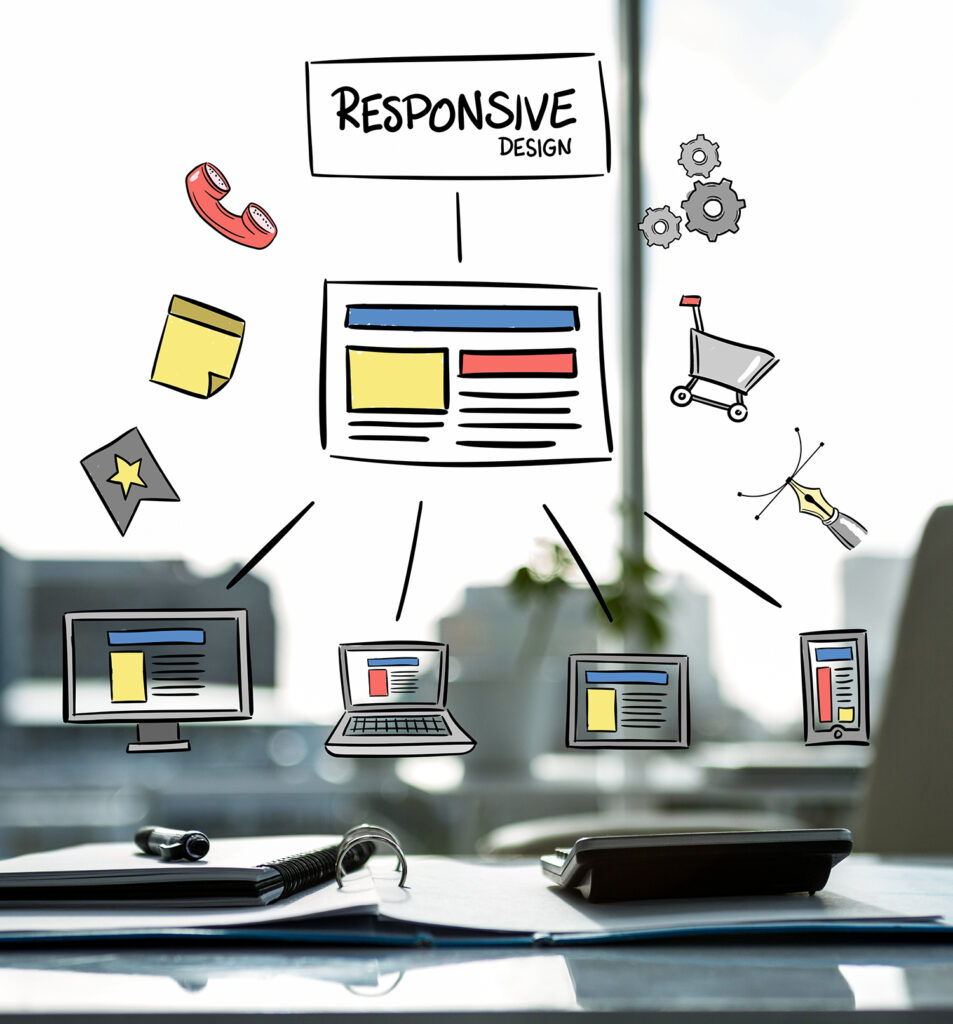
A web app runs in a browser. It is accessed through a URL and is designed to work across devices, whether a customer is using a phone, tablet, laptop, or desktop computer. Modern web apps can feel highly interactive and can support functions such as user accounts, online payments, dashboards, forms, and booking systems without requiring an app-store download.
The distinction matters because installation creates a higher commitment from the user. A web app is easier to reach for first-time visitors. A native app can become more valuable when people return frequently and need device-level features or faster access.
A practical comparison
| Decision factor | Native app | Web app |
|---|---|---|
| User access | Downloaded from an app store | Opened directly in a browser |
| Development approach | Separate work for iOS and Android is often required | One responsive product can serve most devices |
| Performance | Typically stronger for intensive, device-dependent tasks | Strong for most business, content, and transaction use cases |
| Device features | Full access to approved hardware and operating-system functions | Access varies by browser and device |
| Updates | May require app-store review and user updates | Published immediately from the server |
| Initial cost | Usually higher | Usually lower for comparable core functionality |
| Reach | Best for committed, repeat users | Best for broad discovery and low-friction access |
A comparison table can clarify the trade-offs, but it should not decide the project. A fast browser-based ordering platform may create more revenue than a costly native app if customers only order occasionally. Conversely, a field-service team may lose productivity if its application cannot work reliably in locations with weak connectivity.
When a Native App Is the Better Investment
Native development is justified when mobile capability is central to the service, not simply an additional channel. Businesses should consider it when customers or employees use the product frequently, when response time directly affects the experience, or when the app must make deep use of phone hardware.
For example, logistics companies may need route tracking, barcode scanning, proof-of-delivery photos, and offline job records. Fitness platforms may rely on motion sensors, wearable integrations, and persistent activity tracking. Financial and healthcare services may need stronger device-based authentication and carefully managed security controls.
Native apps can also support retention. An app icon on a phone keeps the brand visible, while well-planned push notifications can bring users back for a relevant reason, such as order status, appointment reminders, or account activity. That advantage disappears when notifications are treated as a broadcast channel rather than a useful service.
The trade-off is operational. A native app often requires separate testing across operating systems, device models, and version releases. App-store requirements, privacy disclosures, and ongoing compatibility work must be included in the budget. Launching is only the beginning of the ownership cost.
When a Web App Makes More Commercial Sense
A web app is usually the stronger starting point when speed to market, broad access, and lower complexity are priorities. It is particularly effective for customer portals, e-commerce platforms, booking systems, membership sites, B2B dashboards, internal approval workflows, and lead-generation tools.
A browser-based platform lets a prospect move from an ad, search result, email, or QR code directly into the experience. There is no installation barrier. That matters for businesses that rely on first-time users or campaigns where every additional step can reduce conversion.
Web apps are also easier to update. If a pricing rule changes, a form needs improvement, or analytics show a weak point in the customer journey, the development team can release changes centrally. Every user then sees the latest version the next time they visit.
For many SMEs, this creates a more disciplined investment path. The business can launch a focused product, validate demand, measure behavior, and expand features based on evidence. Instead of funding two mobile applications before the market response is clear, the company builds the functions that are most likely to improve sales, service quality, or internal efficiency.
A responsive web app does have limits. Browser support for hardware functions is not as complete or consistent as native access. Offline operation can be more limited, and highly demanding graphics, real-time data processing, or complex background tasks may not perform as well. These limitations matter most when they affect a core user task.
Start With User Behavior, Not the Platform
The most reliable way to choose is to map the user journey before selecting the technology. Ask how people first find the product, what they need to accomplish, how often they return, and what happens if connectivity is poor.
A restaurant customer checking a menu and placing an occasional order usually benefits from a fast mobile web experience. Requiring a download for that task can reduce completed orders. A warehouse employee scanning hundreds of items each day has very different needs. Speed, camera access, local data storage, and dependable workflow completion may make a native app worthwhile.
Also separate customer-facing needs from internal needs. A company may need a public web app for bookings and account access, while its operations team uses a dedicated mobile app for service delivery. Trying to force both audiences into one product can create unnecessary compromises.
The decision should also reflect your planned growth. If the first release is intended to test a new service, a web app may provide a faster, more cost-controlled route. If the business model depends on daily mobile use from the outset, delaying native capability can create avoidable rework later.
Budget for the Full Product Lifecycle
Initial development cost is only one part of the decision. A serious digital product needs UI and UX design, technical architecture, security testing, hosting, analytics, bug fixes, feature enhancements, and user support. Native apps add app-store management and operating-system compatibility reviews. Web apps require ongoing browser testing, server monitoring, and protection against evolving security risks.
The right budget is not the lowest development quote. It is the investment required to deliver a product that users can trust and your team can operate. Weak performance, unclear user flows, or neglected maintenance can undermine an otherwise promising digital initiative.
This is where a full-service partner can add practical value. SWOT helps businesses assess the commercial case, design the user experience, build the appropriate web or mobile solution, and support the infrastructure and improvement work after launch. The objective is not to recommend an app because apps appear more advanced. It is to deliver the product that best supports measurable business outcomes.
Consider a Phased Approach
There is no requirement to make a permanent choice on day one. Many successful products begin as responsive web apps and later add native applications after usage data proves the value of features such as push notifications, offline access, location services, or device authentication.
A phased plan reduces risk when requirements are still evolving. The first release can focus on the transaction or workflow that matters most. Analytics, customer feedback, and operational data can then guide the next investment rather than assumptions made in a planning meeting.
The best platform is the one that removes friction from a valuable customer or business task while remaining sustainable to maintain. Build for the behavior you need now, leave room for the capabilities you may need next, and make each technology decision answer to a clear commercial objective.