



A business website is often the first place a potential customer decides whether your company looks credible, responsive, and ready to serve them. Choosing a web designer in Melaka is therefore not simply a visual decision. It is a commercial decision that affects lead generation, customer trust, operational efficiency, and the long-term cost of managing your digital presence.
For startups, SMEs, and established companies, the right partner should do more than produce attractive pages. They should understand what the website needs to achieve, build it reliably, and remain available when your business needs updates, security attention, or further digital growth.
Start With Business Objectives, Not Website Features
Many projects begin with a list of requested features: a contact form, product gallery, online payment, WhatsApp button, or company profile page. Those features matter, but they should follow a clear business objective. A corporate website built to support credibility has different priorities from an e-commerce store designed to process daily orders. A lead-generation website needs a different structure from a portal that supports customers after a sale.
Before engaging a designer or agency, define what success looks like. It may mean more qualified inquiries, stronger visibility in search results, easier product updates for your team, or a more professional presentation for corporate clients and investors. When the goal is clear, decisions about design, content, functionality, and marketing become easier to evaluate.
A dependable web partner will ask practical questions about your customers, sales process, services, competitors, internal team, and growth plans. This discovery stage is not unnecessary delay. It reduces the risk of paying for a website that looks polished but does not support the way your business actually operates.
What a Web Designer in Melaka Should Deliver
A capable web designer in Melaka should combine design judgment with an understanding of how websites perform as business tools. Good design is more than colors and layouts. It guides visitors toward the information and actions that matter, whether that is making an inquiry, requesting a quotation, booking a consultation, or completing a purchase.
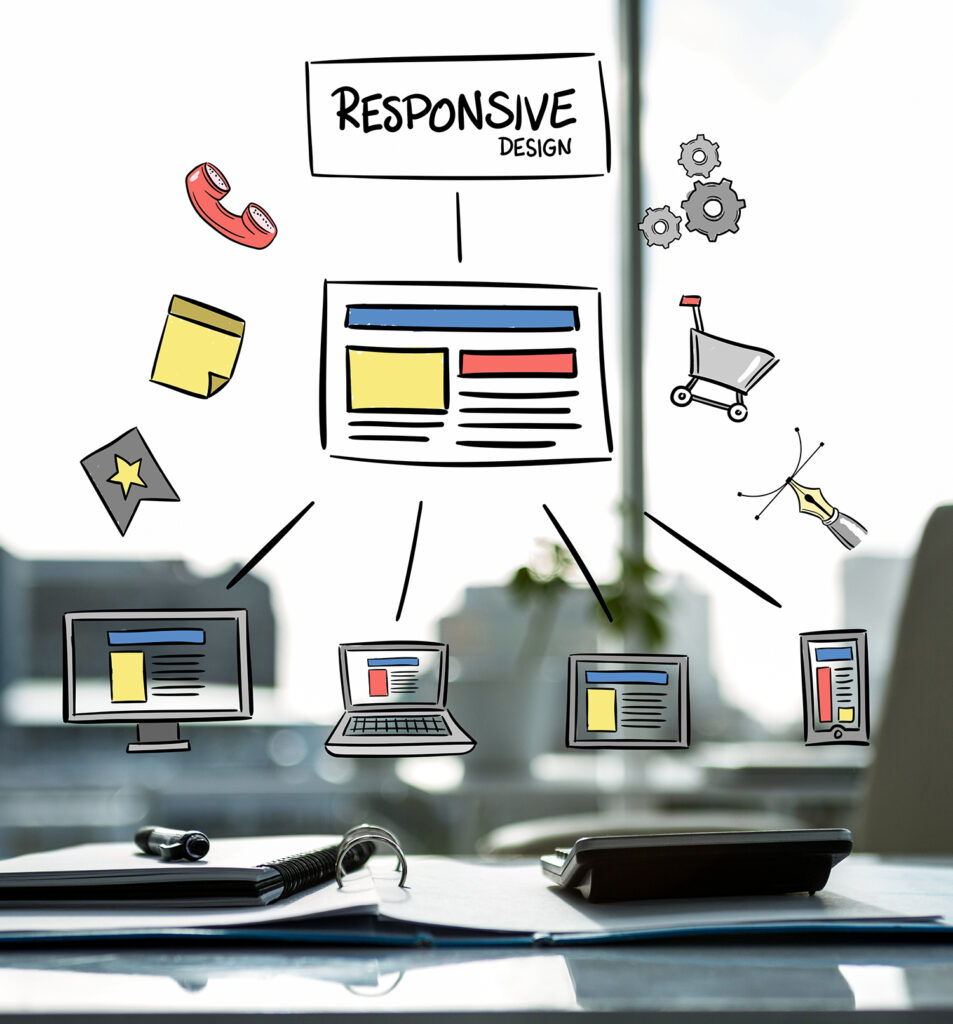
At a minimum, assess whether the provider can plan page structure, create a professional visual direction, develop responsive pages for mobile users, and implement clear calls to action. Malaysian business audiences frequently browse on mobile devices, so a desktop-only mindset can cost your company valuable inquiries. Pages should load efficiently, forms should work correctly, and key contact options should be easy to find without overwhelming the visitor.
The strongest providers also consider the foundations behind the design. These include domain and hosting setup, security, backups, analytics, search engine readiness, content management access, and post-launch maintenance. A website is not finished when it goes live. It needs an owner, a support process, and room to evolve as your services, products, or campaigns change.
Review Portfolios for Relevance and Results
A portfolio is useful, but do not judge it only by visual style. Ask whether the examples show experience with businesses similar to yours in scale, complexity, or customer journey. A beautiful restaurant website may not demonstrate the ability to build an effective B2B lead-generation platform. Likewise, a basic company profile site does not prove e-commerce capability.
Look closely at how projects organize information. Can a visitor quickly understand the company’s offer? Is the navigation clear? Does the site explain services in business language? Are there visible pathways to make an inquiry or purchase? These details reveal whether the team designs for conversion rather than decoration.
It is also reasonable to ask how the provider measures outcomes after launch. Not every website needs an advanced reporting setup, but businesses should be able to track useful actions such as form submissions, calls, WhatsApp conversations, purchases, and campaign traffic. Design decisions become more accountable when performance can be reviewed.
Clarify Scope Before Comparing Prices
Website quotations can vary widely because the scope behind each proposal is often very different. One provider may quote for a template-based five-page website. Another may include content planning, custom UI/UX design, mobile optimization, technical setup, basic SEO configuration, training, and maintenance. Comparing only the final price can lead to the wrong decision.
Request a clear breakdown of what is included: the number of pages, design revisions, content responsibilities, required integrations, e-commerce functions, hosting arrangements, domain ownership, testing, launch support, and ongoing fees. If the project requires photography, copywriting, multilingual content, payment gateways, customer relationship tools, or inventory integration, confirm whether these are included or separately priced.
Competitive pricing matters, particularly for growing SMEs. However, the lowest initial quote can become expensive when it excludes essential work or leaves your team dependent on an unavailable freelancer. The right investment depends on the website’s role in your business. A simple profile website may be appropriate for a small local service company, while a high-volume online store deserves deeper planning, testing, and support.
Confirm Who Owns the Digital Assets
Ownership is one of the most overlooked issues in web projects. Your company should have clear access to its domain registration, hosting account, website files, content management system, business email services, and analytics properties. Without this clarity, changing providers or recovering from a service disruption can become difficult.
Ask how credentials are managed and whether your business will receive administrator access. Also confirm the platform being used. A familiar content management system can give your team more flexibility for routine updates, while a custom-built system may be justified for specialized workflows. Neither option is automatically better. The important factor is whether the technology fits your needs and can be supported responsibly over time.
Security and maintenance also deserve direct discussion. Software updates, plugin management, backups, malware protection, SSL renewal, and uptime monitoring may not be visible to customers, but they protect the credibility and continuity of your online operations.
Choose a Partner With Connected Capabilities
A website rarely operates alone. After launch, many companies need search engine optimization, Google Ads, social media management, email campaigns, branding materials, or business productivity tools. Coordinating separate vendors for every activity can slow approvals, create inconsistent messaging, and make accountability unclear.
A full-service digital partner can simplify this process by connecting strategy, design, development, hosting, and marketing execution. For example, an SEO campaign may reveal that a service page needs stronger content or a better inquiry flow. When the same team can improve the website and manage the campaign, changes can be implemented faster and measured against the same commercial goal.
This model is not necessary for every business. If you have a strong in-house marketing team and established technical suppliers, a focused web development partner may be sufficient. But for companies that prefer one accountable provider, integrated support can reduce administrative burden and create a more consistent customer experience.
Evaluate Communication and Delivery Discipline
The project experience matters as much as the final website. Delays often happen because responsibilities are unclear, content is not prepared, feedback arrives late, or technical requirements appear after development begins. A professional agency should establish timelines, approval stages, deliverables, and a clear point of contact from the outset.
Pay attention to how the provider communicates before you sign. Are their recommendations specific to your business? Do they explain trade-offs clearly? Can they translate technical matters into practical decisions? Reliable communication at the proposal stage is often a strong indicator of how the project will be managed later.
SWOT supports businesses that need this level of coordinated execution, bringing website design, development, infrastructure, marketing, and ongoing support into one service relationship. The objective is not to add unnecessary services, but to give businesses a practical path from initial concept to a maintainable digital presence.
Make the Website Ready for the Next Stage
Your website should serve the business you have now while allowing for reasonable growth. That may mean adding new service pages, launching an online catalog, connecting a marketing campaign, introducing online payments, or expanding into multilingual audiences. Planning for these possibilities does not mean building every feature immediately. It means selecting a structure and partner that will not force an expensive rebuild for every new requirement.
The best choice is a web designer who treats your website as a working business asset, not a one-time creative deliverable. Ask direct questions, compare scope carefully, and select the partner that can support both launch quality and long-term accountability. A well-executed website gives your business a stronger place to compete, communicate, and convert attention into opportunity.